

Sublimation printing sounds appealing, but is it practical for cosmetic plastic tubes?
Sublimation printing is not recommended for regular use on cosmetic tubes. Its limitations in material compatibility and production consistency make it unsuitable for mass production.

Before diving into the intricacies of sublimation printing, let’s get one thing clear: cosmetic tube printing is not just “make it look pretty.” It has to survive squeezing, rubbing, shipping, filling-line handling, and often oil/active ingredients contact. If a printing method cannot deliver stable adhesion and repeatable color across batches, it becomes a production risk—no matter how attractive it looks in a demo.
Why sublimation looks attractive but fails in real tube production
Sublimation is famous for:
- vivid colors
- smooth gradients
- photo-like quality
But those benefits depend on the right substrate (typically polyester-based). Cosmetic tubes are usually PE (polyethylene), which is basically the “wrong surface” for sublimation dye to bond into.
In a real factory environment, the printing method must also fit:
- high speed and repeatability
- stable curing and drying
- low defect rate
- strong rub resistance
- consistent output across multiple shifts
That’s why tube factories typically rely on proven methods like screen printing, offset printing (dry offset), UV printing, and sometimes hot stamping—not sublimation.
Can sublimation printing be done on plastic?
The quick answer is mostly no—not for standard cosmetic tube plastics. Sublimation printing relies on specific materials, primarily polyester, to work effectively. When you apply heat, the sublimation dye turns into gas and bonds with the polyester structure. That’s why it’s not a fit for most cosmetic plastic tubes, which are typically made from polyethylene (PE).
Sublimation processes do not work on PE materials, which are the standard for cosmetic tubes. This incompatibility is a primary reason to avoid sublimation printing for these applications.
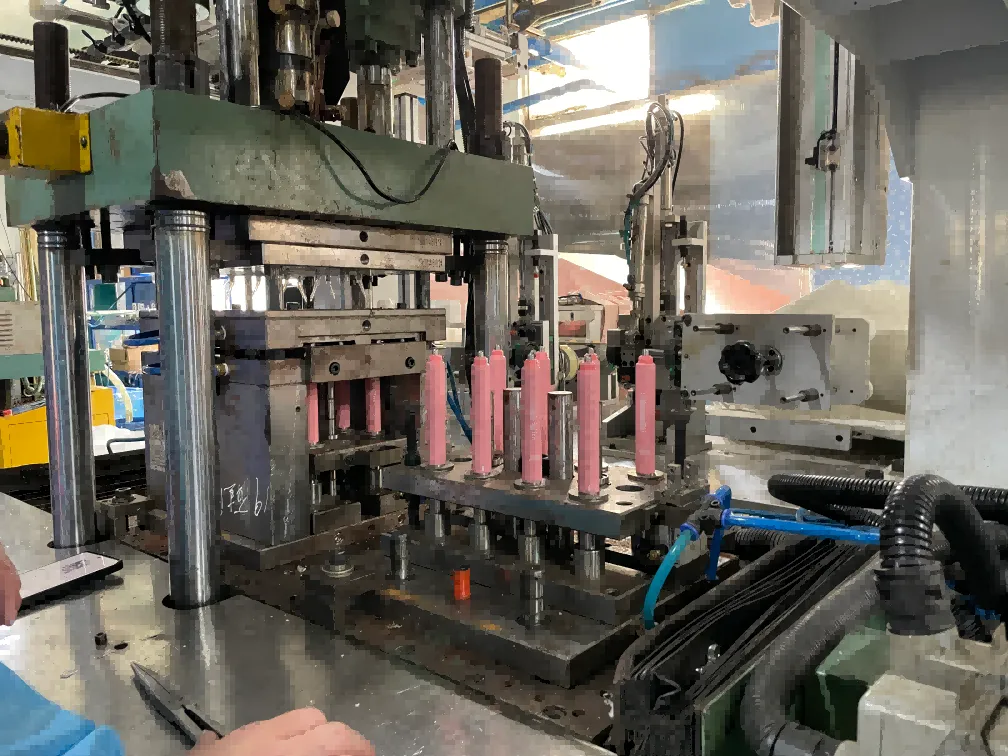
Dive deeper: what technically goes wrong on PE tubes?
- PE is non-porous and low surface energy → dye gas has nothing to “lock into.”
- Sublimation needs high temperature (often ~180–200°C+) → PE tubes can soften, warp, or lose shape.
- Dimensional stability matters → if the tube deforms, your print registration and appearance become inconsistent.
Even if a supplier shows a “sample success,” the question for brands is:
Can it survive mass production AND repeat orders?
Most of the time, sublimation on PE can’t.
What type of ink is used to print on plastic?
For plastic printing (especially cosmetic tubes), you typically use inks designed for non-porous surfaces. Common options include:
- UV inks
- solvent-based inks
- specialized tube screen inks
- offset inks for PE tubes (dry offset systems)
Inks designed for plastics, such as UV and solvent-based inks, are preferred over sublimation inks for printing cosmetic tubes.
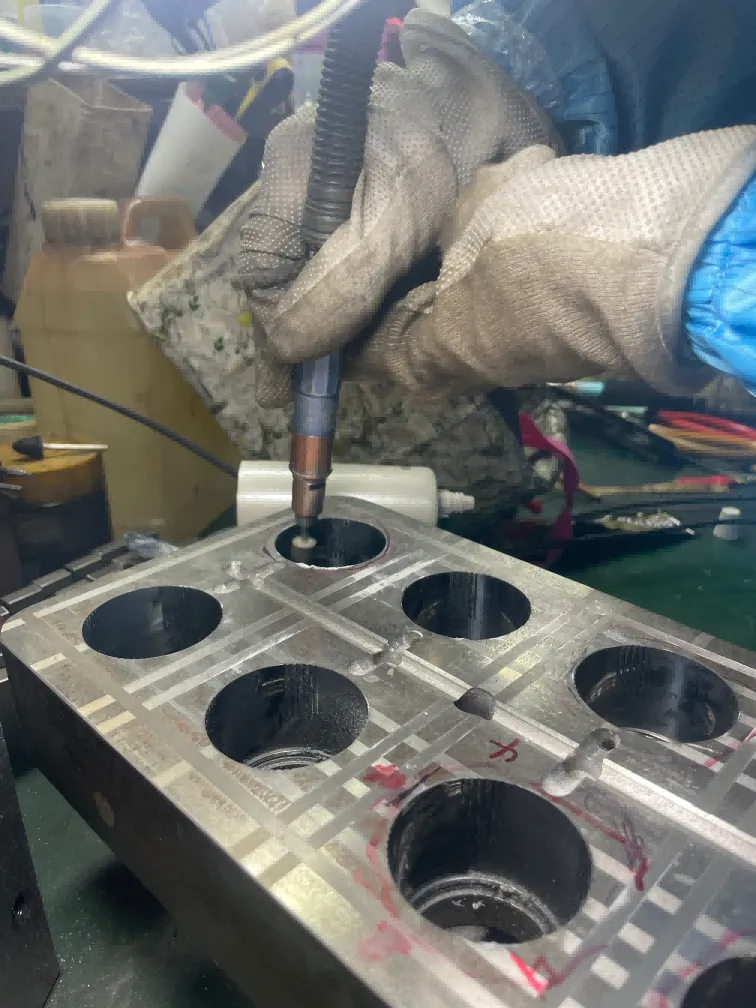
Dive deeper: what makes tube inks different?
Cosmetic tubes face special stress:
- repeated squeezing (ink must flex, not crack)
- friction in cartons and transport
- oil-based ingredients that can “attack” weak inks
- water/cleaner exposure in bathrooms
So the “right ink” is not just about adhesion—it’s about chemical resistance + flexibility + rub resistance.
Can you use sublimation on plastic bottles?
Sublimation is generally not suitable for standard plastic bottles, especially those made from PE or PP. While sublimation can work on certain polyester-coated items, those substrates are not common in cosmetic packaging.
Sublimation is not practical for standard plastic bottles, as they do not allow for proper dye adhesion.
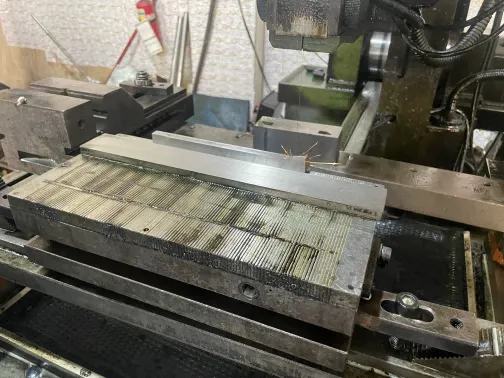
Dive deeper: the “special plastic” exception
Yes, there are niche cases:
- bottles wrapped with a polyester shrink sleeve
- items coated with polyester-compatible layers
But at that point, you’re not sublimating “the bottle material”—you’re sublimating the sleeve/coating, which adds cost and process complexity.
How to print directly onto plastic?
Direct printing onto plastic typically uses methods like:
- screen printing (strong, widely used for tubes)
- offset printing (high speed for tube bodies; great for consistent brand colors)
- digital UV printing (flexible for short runs / customization)
- hot stamping (premium metallic effects)
Methods such as screen or digital printing are preferable for direct plastic printing, resulting in higher quality and durability.
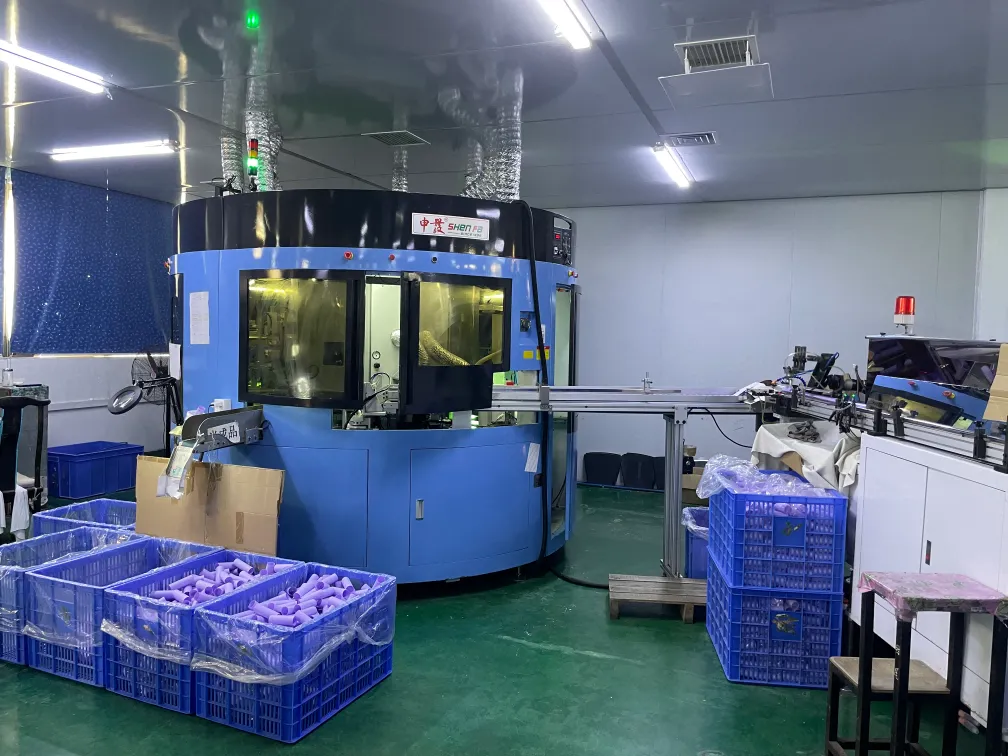
Dive deeper: why screen/offset dominate tube factories
Because they’re built for:
- stable high-volume output
- controlled curing
- proven ink systems for PE
- repeatable registration and color
For many brands, the best result is a combination:
- base colors via offset
- highlight logo via screen
- premium accent via hot stamping
Can a thermal printer print on plastic?
Yes—thermal printers can print on certain plastics, but this is usually for:
- labels
- batch codes
- date codes
Not for full tube-body decoration.
Thermal printers can print on some types of plastic, but the results may vary based on the specific printer and materials used.
Dive deeper: where thermal printing fits in tube packaging
Thermal printing is often used at the end of the line for:
- lot number
- expiry date
- traceability code
It’s fast and practical, but not a replacement for tube-body printing methods.
What type of printer is used to print on plastic?
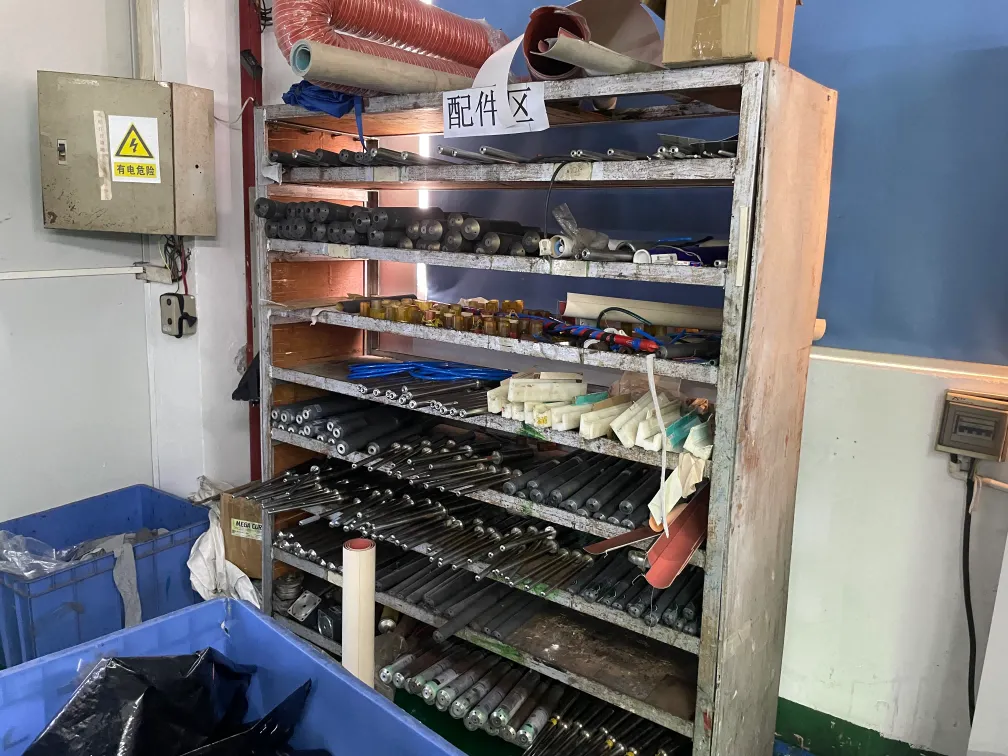
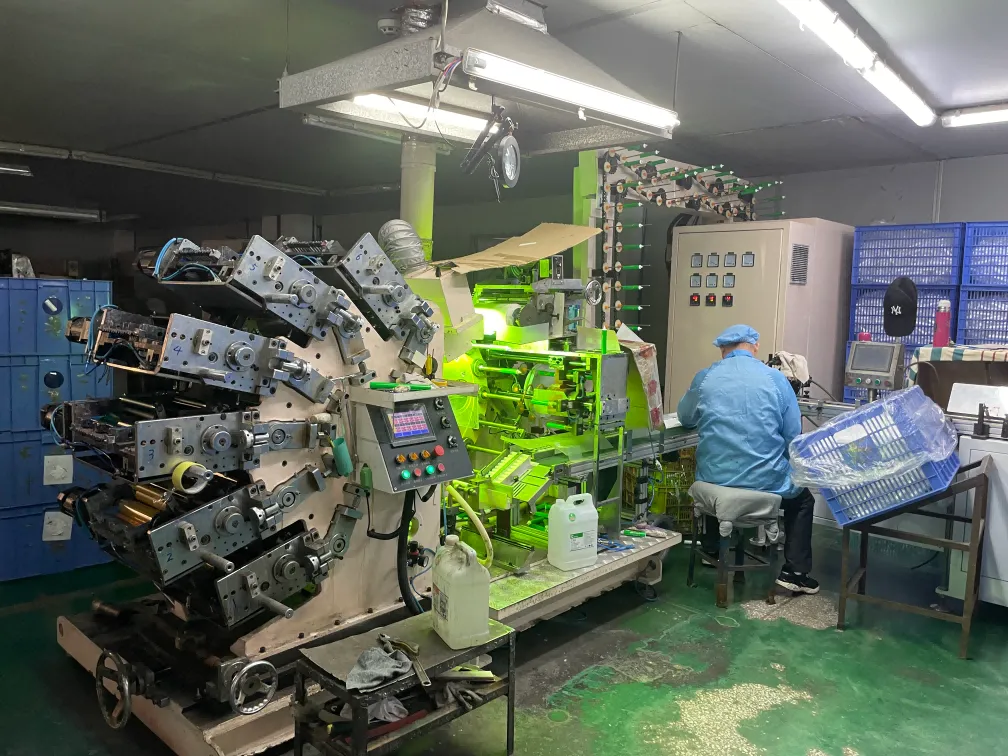
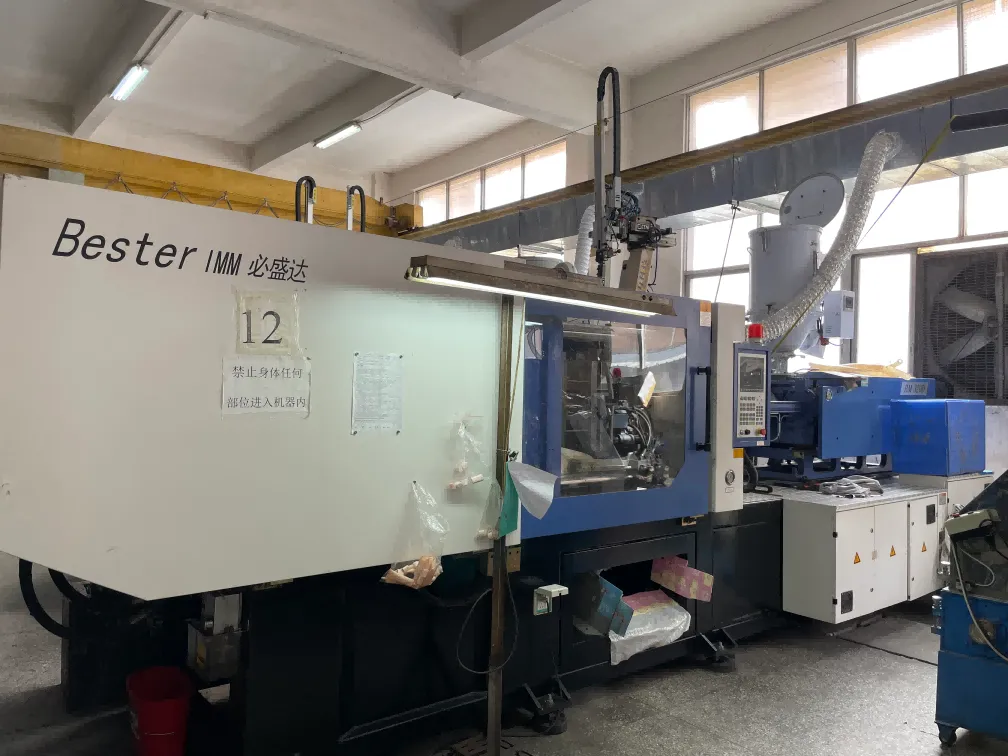
For cosmetic tube printing, the most common equipment categories include:
- screen printing machines
- offset printing machines
- UV printers
- pad printers (for small, detailed areas)
Screen, UV, and pad printers are commonly used for printing on plastic, while offset is widely used for tube bodies in mass production.
Buyer tip: ask this before choosing a printing method
If a supplier recommends a “new printing method,” ask for test evidence:
- rub test (dry + wet)
- adhesion test (tape test)
- chemical resistance test (oil, alcohol, cleanser contact)
- aging test (heat + cold cycle)
- squeeze/flex test (simulate real user handling)
What buyers should do if a supplier offers “sublimation tubes”
If you’re offered sublimation printing on tubes, treat it as a prototype-only idea unless proven otherwise.
Ask for:
1) Material confirmation (is it really PE tube body?)
2) Adhesion data (tape test + rub test results)
3) Temperature impact (tube deformation check)
4) Repeat-order sample (not only “one-off sample”)
5) Production consistency plan (how they control batch-to-batch color and adhesion)
A factory that can’t provide these details is usually selling a “marketing concept,” not a production-ready solution.
Conclusion
Sublimation printing is not the best option for cosmetic plastic tubes due to material incompatibility (PE) and production consistency risks. For real cosmetic tube programs, brands are safer choosing proven methods like screen printing, offset printing, UV printing, and hot stamping, supported by clear QC tests and repeat-order control.



 English
  French
  Vietnamese
  Spanish
  German (Austria)
  German
  South Azerbaijani
  Japanese
  Italian
  Persian
  Russian
  Finnish