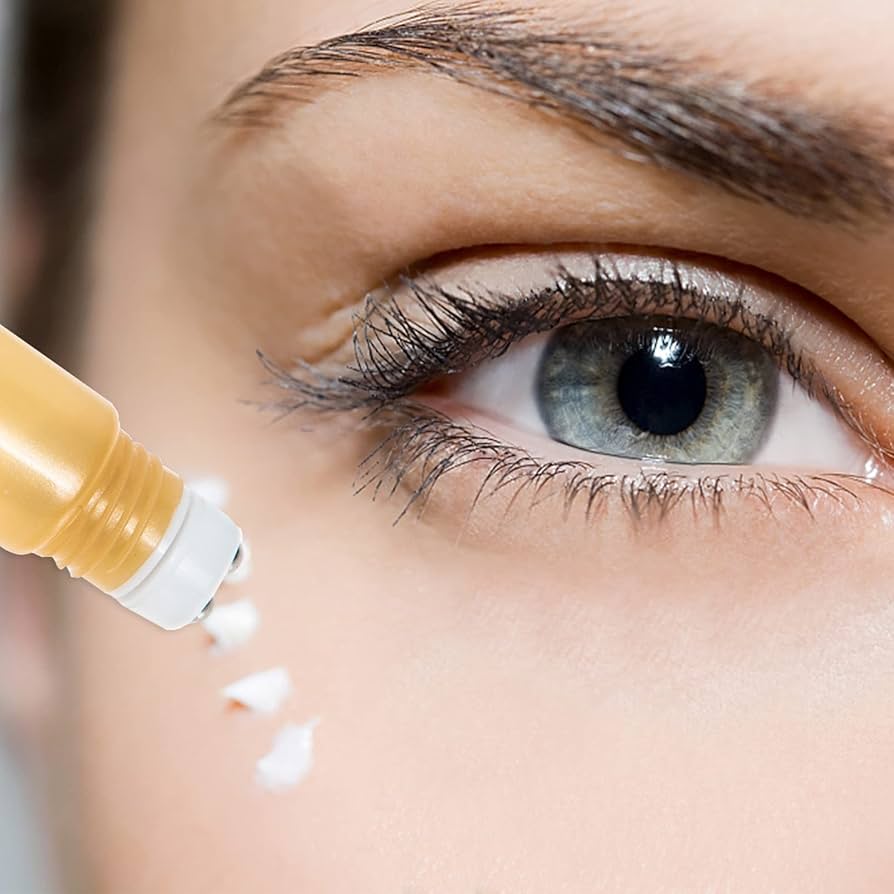
The process of filling cosmetic creams into tubes may seem simple, but it is an intricate operation that requires precision and coordination.
Filling cosmetic creams into tubes involves a controlled industrial operation that aligns with the cream's viscosity and the tube's structural stability. This ensures efficient production and quality output.
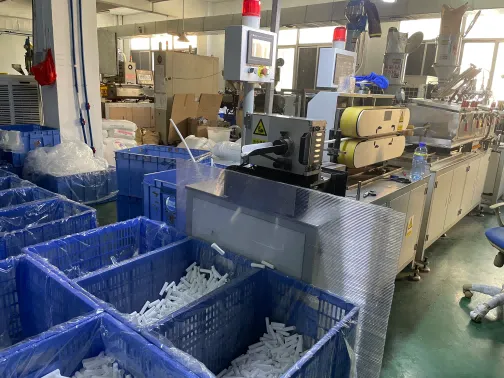
Filling cosmetic creams is not just about pouring cream into a tube. It requires careful planning and precise machinery. Any mismatch in the viscosity of the cream and the tube's structure can lead to slow output, seal failures, or quality issues. This is why selecting the right filling machine is crucial for efficiency.
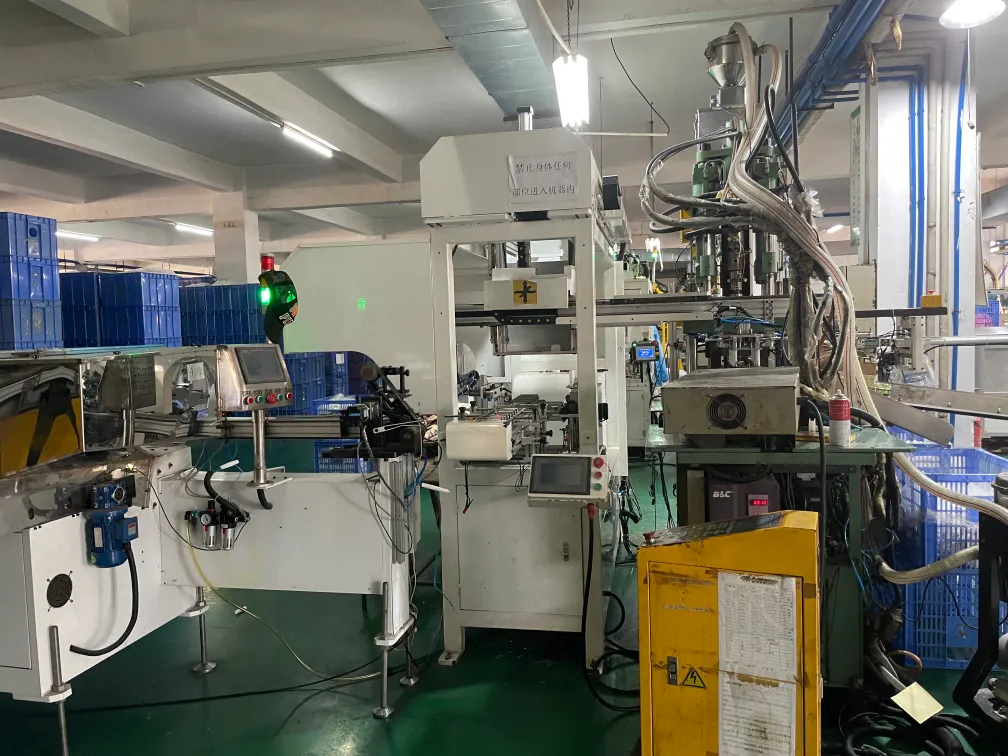
Below is what really matters in a production environment: stability. Tube stiffness, head/neck tolerance, printing rub resistance, and seal cleanliness all affect whether a line can run at target speed.
What happens before filling (the hidden success factors)
Many brands focus only on filling speed, but the filling result depends on upstream controls:
- Tube body stiffness & wall thickness consistency: if tubes deform under clamping, the line slows.
- Neck/shoulder tolerance: affects nozzle insertion, dripping, and wipe cleanliness.
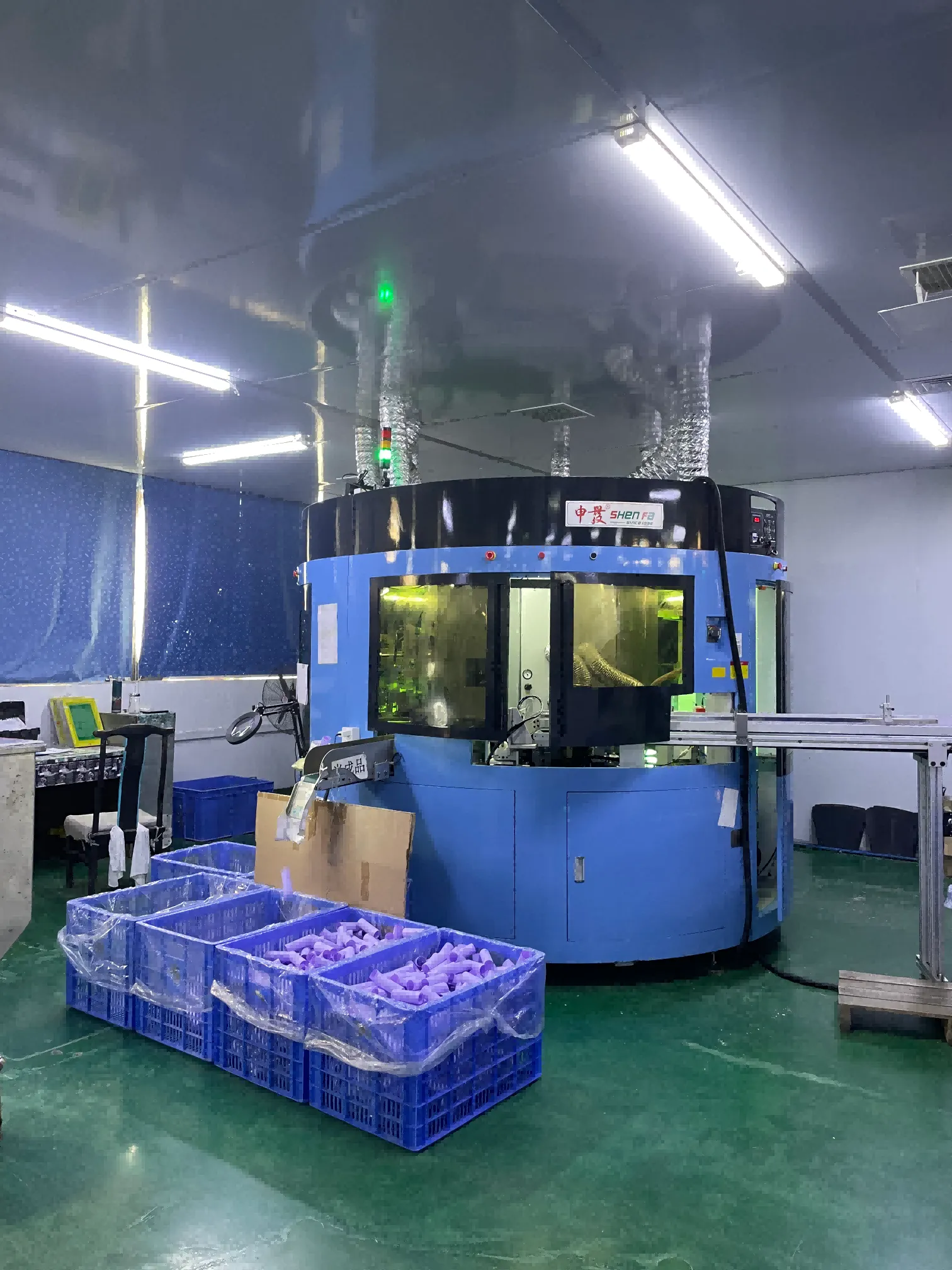
- Printing curing & rub resistance: tubes rub against guides; weak curing creates scuff defects.
- Tube cleanliness: remember—sealing fails when cream contaminates the seal zone.
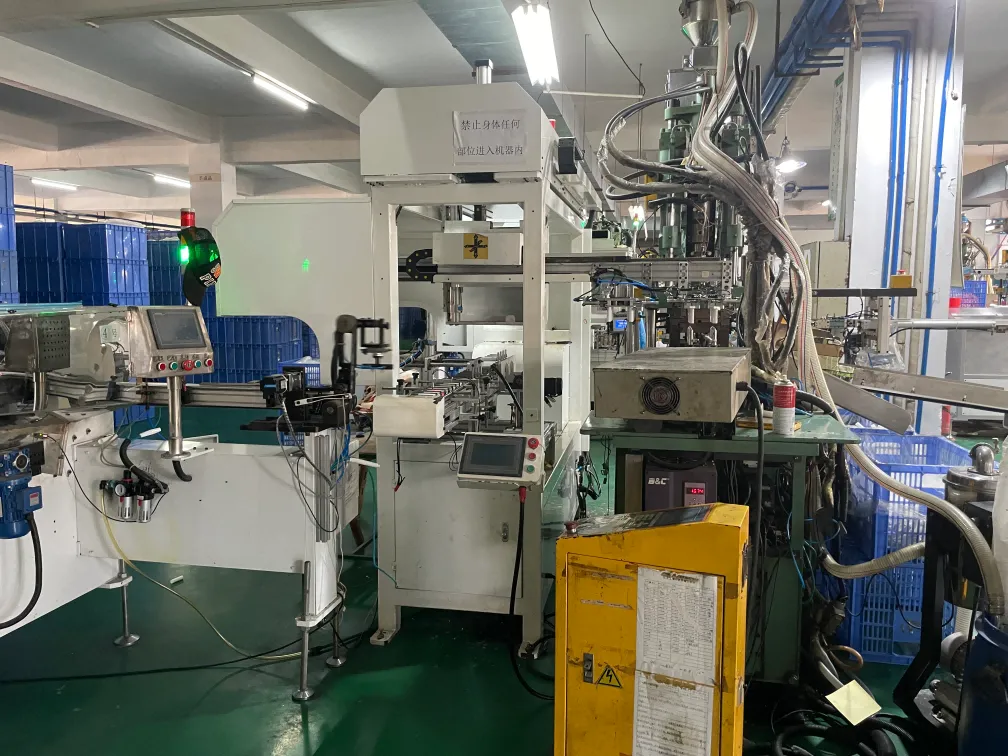
How does a tube filling machine work?
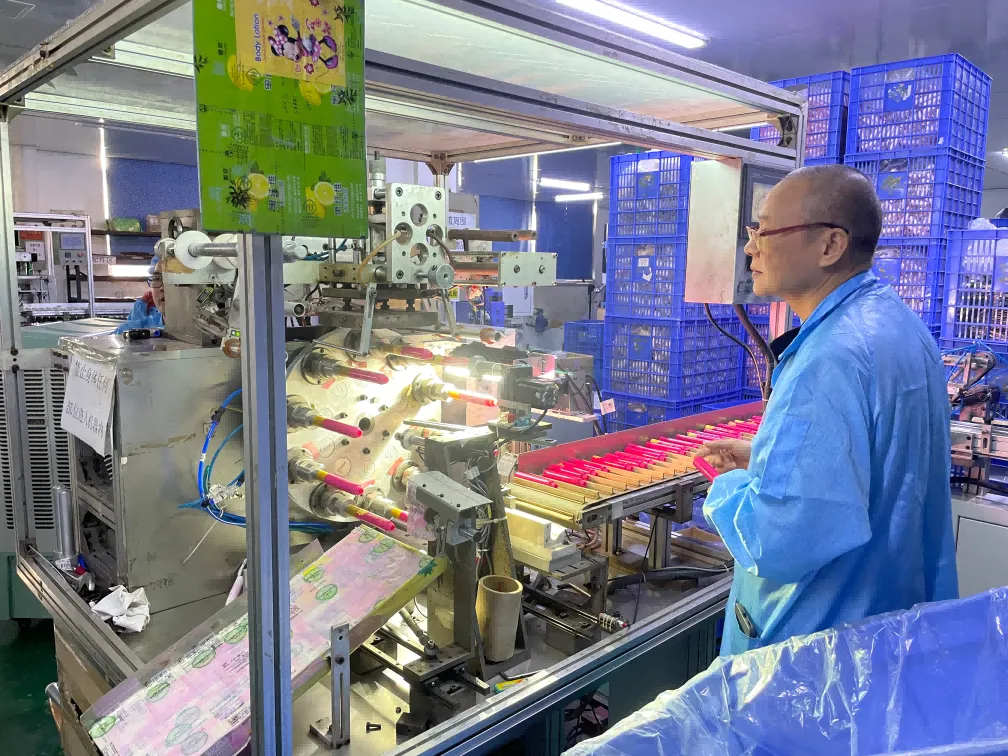
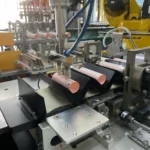
The filling machine is at the heart of the operation. It uses piston or pressure-based systems to fill tubes with creams of varying viscosities. The key here is accuracy and repeatability. With thousands or millions of tubes to fill, consistency in volume is essential for complying with regulations and maintaining brand credibility.
Tube filling machines ensure that each tube receives an accurate amount of cream, which is vital for brand integrity and regulatory compliance.

The machines are designed to handle specific types of creams based on viscosity. A high-viscosity cream will require different handling than a lighter cream. The machine controls the flow rate and pressure to ensure that every tube is filled correctly.
Filling methods matched to viscosity (how factories choose)
- Low viscosity (serum / thin gel): pump or volumetric systems; foam and splash control matter.
- Medium viscosity (lotion / cleanser): servo/piston dosing is common; stable temperature reduces drift.
- High viscosity (cream / sunscreen / ointment): positive displacement dosing + controlled nozzle to reduce bubbles/stringing.
If viscosity fluctuates (temperature shift, poor mixing), you’ll see:
- inconsistent fill weight
- trapped air bubbles
- nozzle dripping contaminating the seal zone
Sealing matters as much as filling
Even perfect filling fails if sealing is unstable. Most tube defects come from:
- cream on the sealing area
- uneven tube thickness at tail
- wrong heat/pressure/time setting
- poor cooling time control
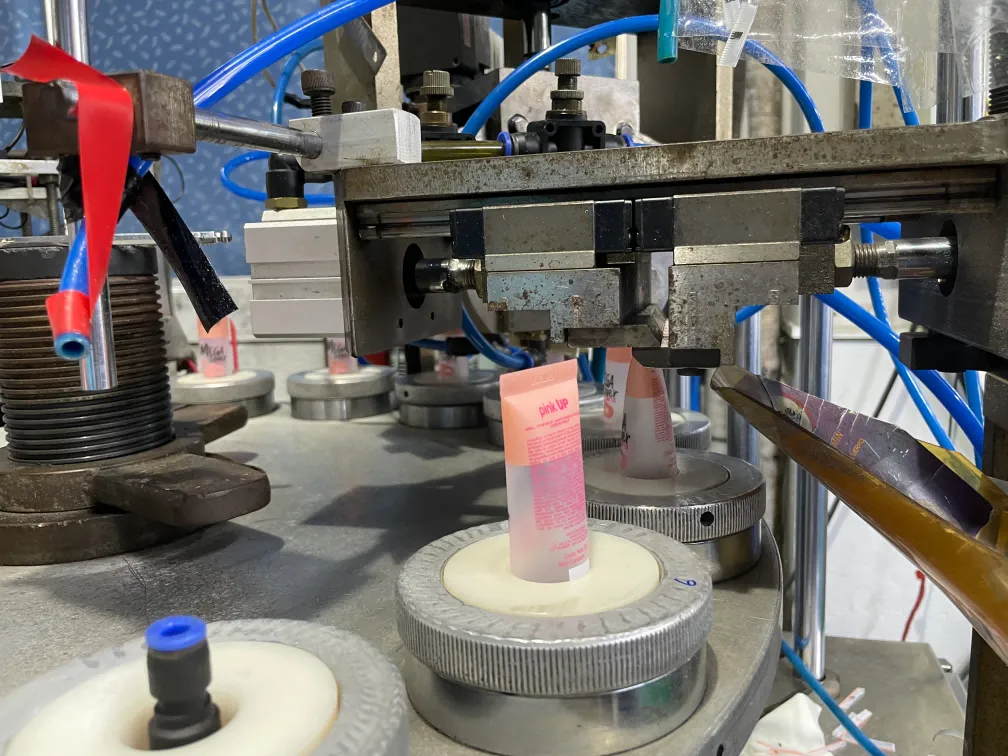
What is the manufacturing process of ointment?
Ointment manufacturing follows a structured process. It begins with ingredient selection, where active ingredients and base materials are chosen. After that, the ingredients are mixed to achieve a uniform consistency. This is often done in large batches to maintain quality.
The manufacturing process involves mixing active ingredients with a base to create a uniform ointment before filling into tubes.
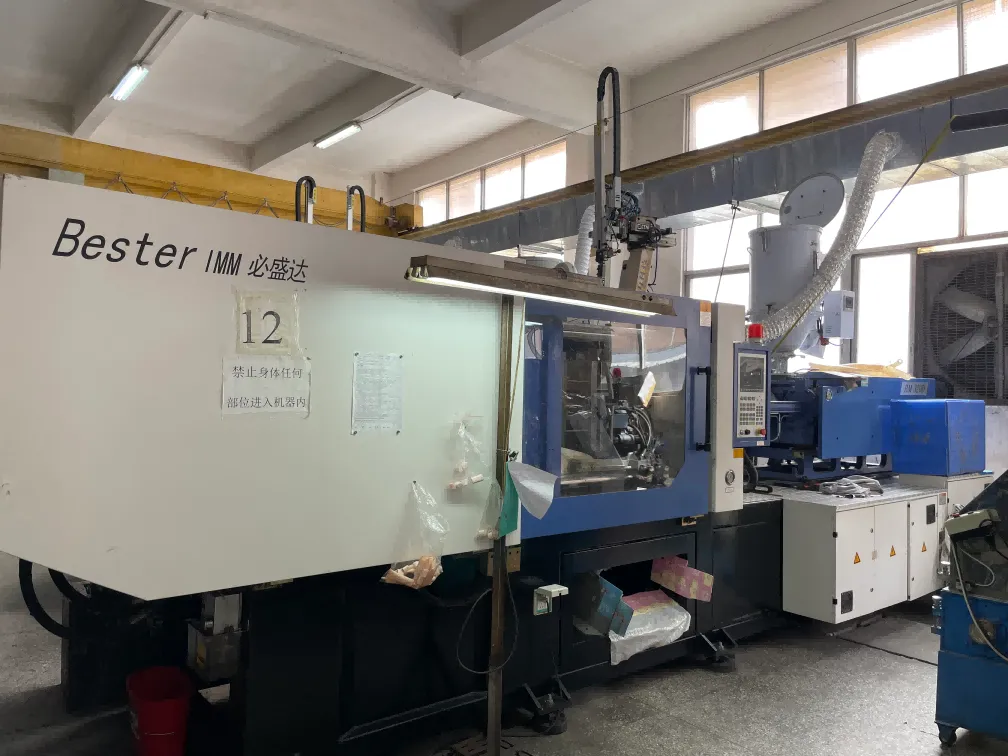
Once the ointment is ready, it moves on to the filling stage. After filling, the tubes are sealed to ensure that the product remains uncontaminated.
Quality controls brands should request (simple but powerful)
- COA / batch record for formula-side stability (your filler needs stable viscosity)
- Fill weight checks (start/middle/end of shift)
- Leak test / squeeze test
- Seal strength visual check
- Drop/transport simulation for packed goods
How to squeeze cream out of a tube?
Squeezing cream out of a tube is simple, but the tube design plays a major role. A well-designed tube will allow for easy dispensing without wasting product.
Proper design and materials of tubes enhance the ease of squeezing out cream while minimizing waste.
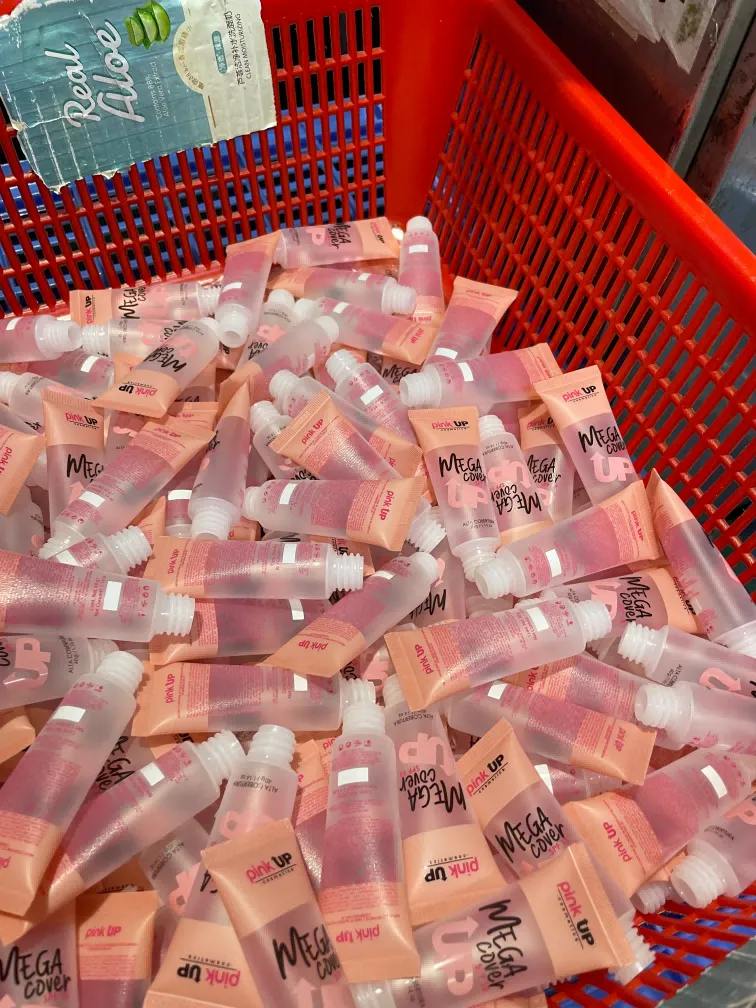
To maximize output:
- squeeze from the bottom and roll upward
- use a small tube key/roller for thick creams
- avoid squeezing the middle first (creates trapped pockets)
Tube structure that improves “last drop” dispensing
- optimized shoulder angle (less dead space)
- controlled inner surface friction
- well-designed orifice size (not too small for viscous creams)
Why are hand creams in metal tubes?
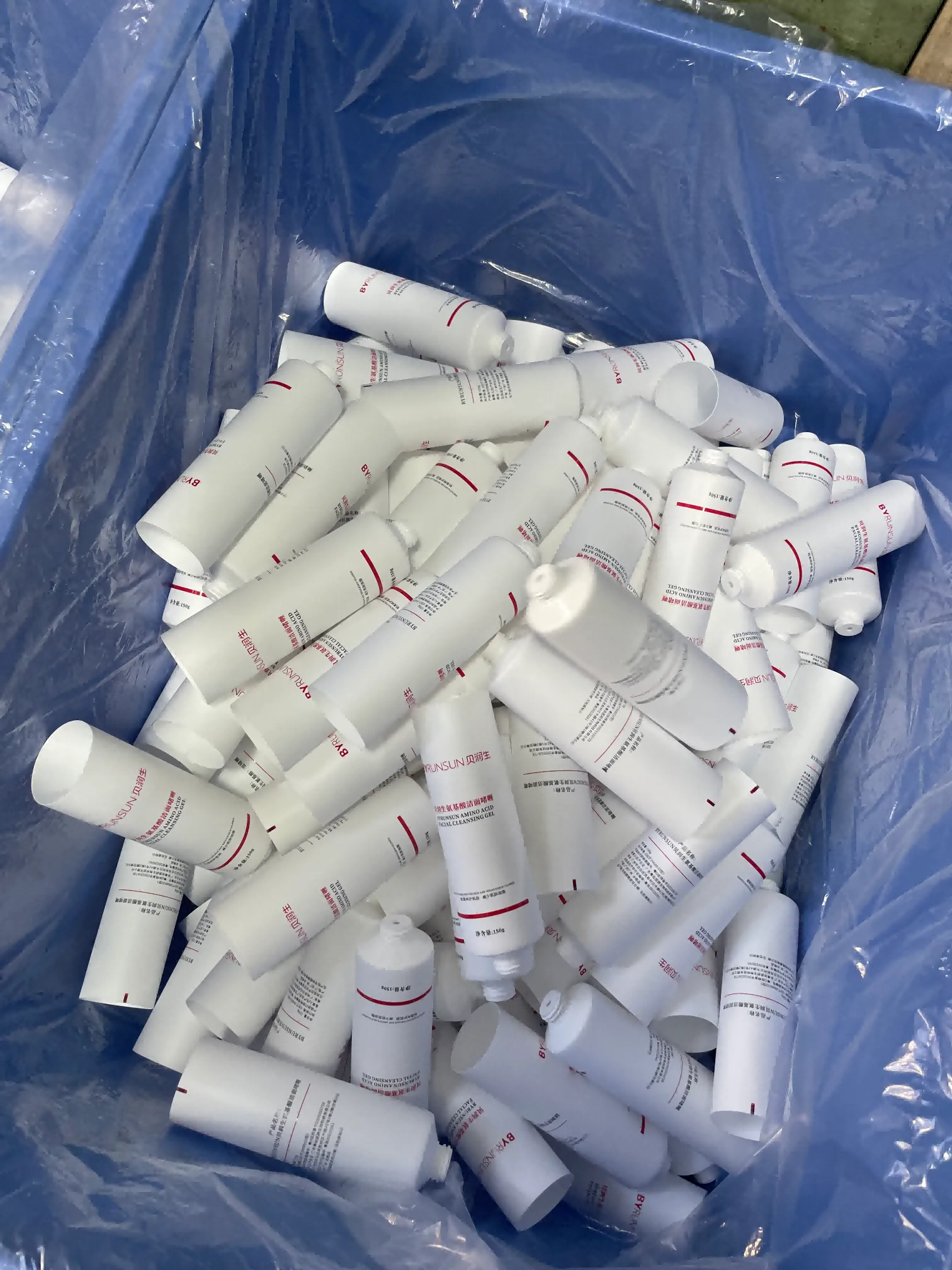
Metal (aluminum) tubes are often used for hand creams because they provide strong protection from light and oxygen, which can degrade sensitive ingredients. They also deliver a premium tactile feel.
Metal tubes offer superior protection for hand creams, preserving their quality and extending shelf life.
Other reasons brands choose metal:
- strong barrier for essential oils/fragrance stability
- better protection for actives sensitive to oxidation
- premium positioning in retail
What are cream tubes made of?
Cream tubes can be made from plastic (PE), aluminum, or laminate. Each has different cost and performance trade-offs.
Cream tubes are typically made from materials like plastic, aluminum, or laminate, each offering distinct advantages for product preservation.
Quick buyer guide:
- PE tube: flexible, cost-effective, great for most creams/cleansers.
- PCR PE tube: sustainability-focused, but needs tighter batch control.
- Aluminum tube: strong barrier + premium, but higher cost and more filling precision needed.
- Laminate tube: balanced barrier + printable surface, often used for special formulas.
Why does Aveeno have alcohol in it?
Aveeno (like many skincare products) may include alcohol for different reasons:
- solvent to help dissolve ingredients
- texture/feel adjustment
- faster drying or sensory effect
- improved penetration for certain actives
Alcohol can function as a solvent and formulation helper, but the impact depends on the type and amount used.
Important note: “alcohol” is not one thing.
- Some alcohols can feel drying at higher levels.
- Some fatty alcohols (like cetyl/stearyl alcohol) are not drying and act as emollients/thickeners.
For packaging, alcohol-containing formulas may require:
- compatibility checks (stress cracking risk on certain plastics)
- cap sealing performance checks to reduce evaporation
Practical checklist for brands before mass filling
If you want stable bulk output, confirm these before you lock the tube spec:
1) formula viscosity window (temperature range)
2) tube stiffness and clamp compatibility
3) orifice size match to cream thickness
4) seal method (heat / ultrasonic) and parameter control
5) rub resistance of printing after production handling
6) packing density (small tubes deform easily in transport)
Conclusion
Filling cosmetic creams into tubes involves a complex interplay of machinery, materials, and process controls that ensures quality and consistency.
If you want the simplest “success rule”: match viscosity + tube structure + filling method + sealing discipline. When those four align, production runs fast, defects drop, and repeat orders stay stable.



 English
  French
  Vietnamese
  Spanish
  German (Austria)
  German
  South Azerbaijani
  Japanese
  Italian
  Persian
  Russian
  Finnish