The first step in your cosmetic tube packaging project can feel overwhelming. You might be anxious about finding the right manufacturer. What if you make the wrong choice?
To start a successful cosmetic tube packaging project, you need to identify and manage key risk factors before comparing prices. Clarity in specifications is essential.
Many people jump straight into cost comparisons. That can be a mistake. Factors like formula changes, layer structures, cap designs, and appearance standards can all affect costs and risk. Before you look at prices, define your specs and acceptance criteria. If you don’t do this, comparing quotes becomes meaningless.
A “reliable manufacturer” isn’t just someone with years of experience. It's about having a verifiable process in place. Don't just look at a supplier's reputation. Ask them about their sampling workflow, inspection checkpoints, retain-sample policies, and issue-handling procedures. If they can detail these steps and provide records, that's a sign of reliability.
The most common failures in tube projects come from "formula compatibility and sealing," rather than from printing errors. Many projects fail due to issues like oil seepage, leakage, or deformation. A capable supplier will proactively inquire about risks and propose structural options as well as validation methods.
How to become a cosmetic manufacturer?
Starting as a cosmetic manufacturer requires a clear understanding of the entire process. Many people think they can simply create a product, but the real work begins with planning.
To become a cosmetic manufacturer, you must have a thorough understanding of production processes, regulations, and market needs.
A solid foundation is essential for success. Knowing how to manage your supply chain is just as important as knowing how to create a product.
The manufacturing process involves several steps. From raw material sourcing to quality control, each step impacts your final product. You need to be familiar with regulations in the cosmetic industry too. Compliance with health and safety standards is crucial.
Additionally, understanding the market helps. What kind of products are in demand? Who are your competitors? Answering these questions will guide your decisions and help you create a successful brand.
How are plastic tubes manufactured?
Plastic tube manufacturing involves a series of precise steps, from extrusion to final assembly. It may sound simple, but there’s a lot more to it.
Plastic tubes are produced through a combination of extrusion, molding, and finishing processes that ensure high quality and durability.
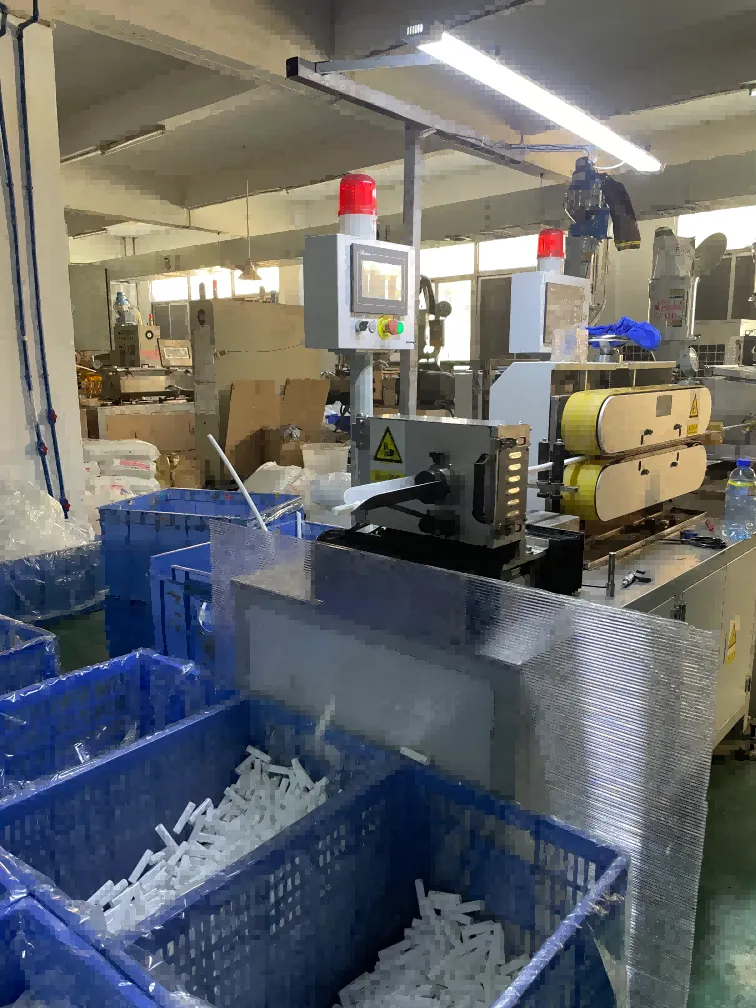
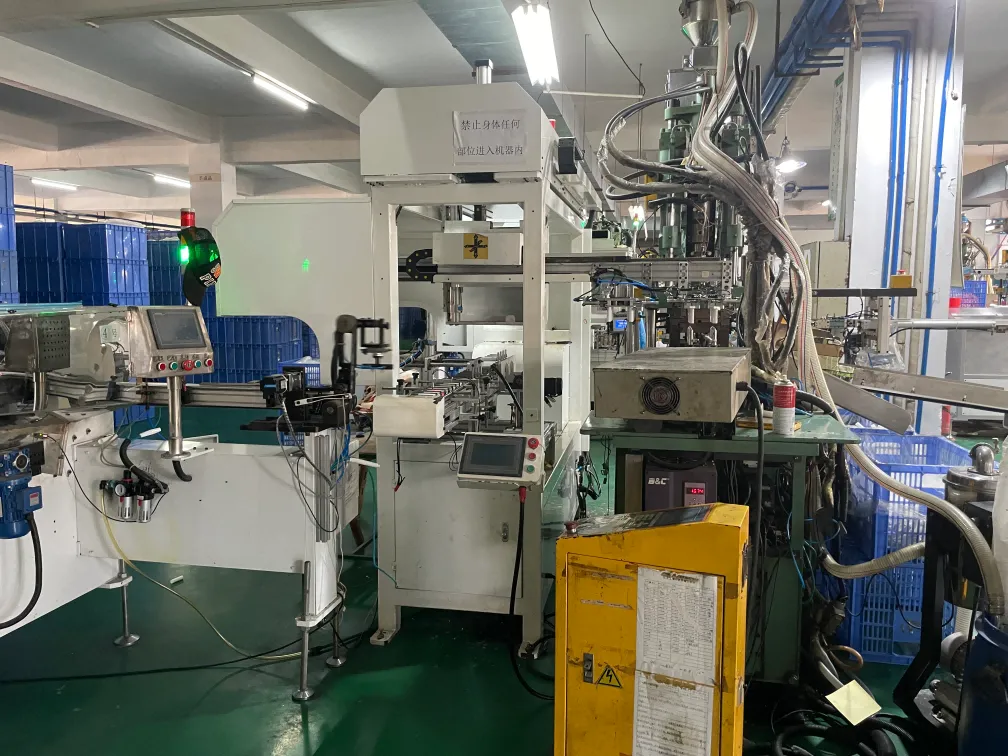
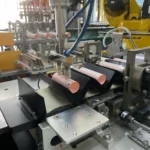
First, the material is extruded into the desired tube shape. The extrusion workshop plays a critical role in this phase. It’s where the raw materials are turned into tube bodies. The next step is molding, where caps and various applicators are produced.
Both tubes and caps must be sourced as a single system. This means that designs and functionalities of both components need to align. If you focus only on the tube body, you may end up with a product that looks good but doesn't function properly.
After the main components are manufactured, they go through various finishing processes. These can include printing, coating, and sealing. Each step must be executed with precision to avoid issues like leakage or misalignment later on.
How to create makeup packaging?
Creating makeup packaging requires a blend of creativity and technical knowledge. The design must appeal to consumers while also being functional.
To create effective makeup packaging, emphasize aesthetic appeal alongside structural integrity and usability.
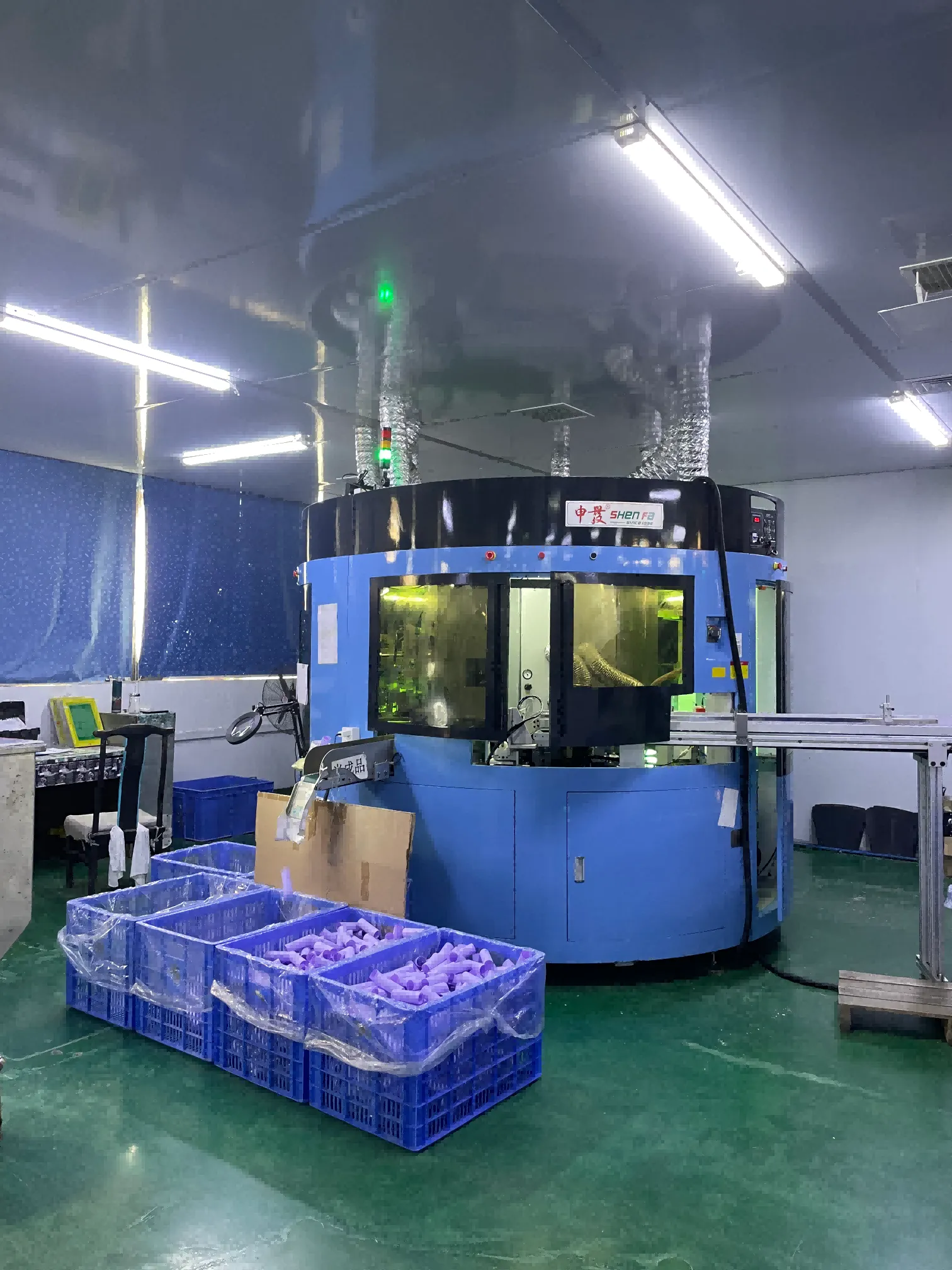
You start with a concept. What colors, shapes, and materials do you want to use? This is where you can express your brand's identity. Once you have a design, you need to ensure that it meets production standards and can be manufactured efficiently.
Collaboration with your manufacturer is crucial. They can offer insights into what works and what doesn’t. Effective communication can save you time and money in the long run.
When creating packaging, you must also consider how it will perform on the filling line. Tube length, shoulder design, and orifice diameter can all affect compatibility. Issues in this area can cause production delays, which is something you want to avoid.
How do I open a Makeup Factory?
Opening a makeup factory is no small feat. It involves a significant amount of planning and investment.
To open a makeup factory, you need a strategic plan that includes location, equipment, staffing, and regulatory compliance.
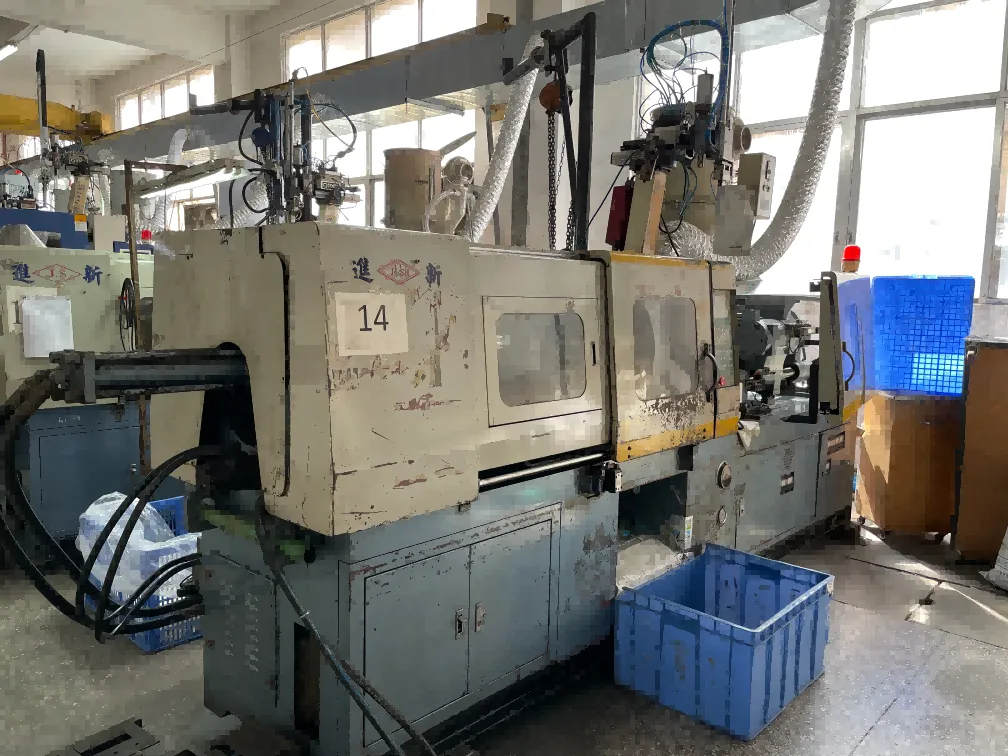
Start by developing a business plan. This should outline your vision, objectives, and financial projections. Location matters greatly. You want to be in an area where you can access necessary resources and a skilled workforce.
Next, focus on the equipment you’ll need. Different products require various types of machinery. Make sure to invest in reliable equipment that can grow with your business.
Staffing is also important. You’ll need skilled workers who understand the cosmetic industry and manufacturing processes.
Compliance with regulations is crucial. Ensure that you understand local laws and standards for cosmetic manufacturing. This will help you avoid legal issues in the future.
Conclusion
Starting a cosmetic tube packaging project requires careful planning and a focus on managing risks. By defining specifications clearly and choosing a reliable manufacturer, you can set your project up for success.



 English
  French
  Vietnamese
  Spanish
  German (Austria)
  German
  South Azerbaijani
  Japanese
  Italian
  Persian
  Russian
  Finnish