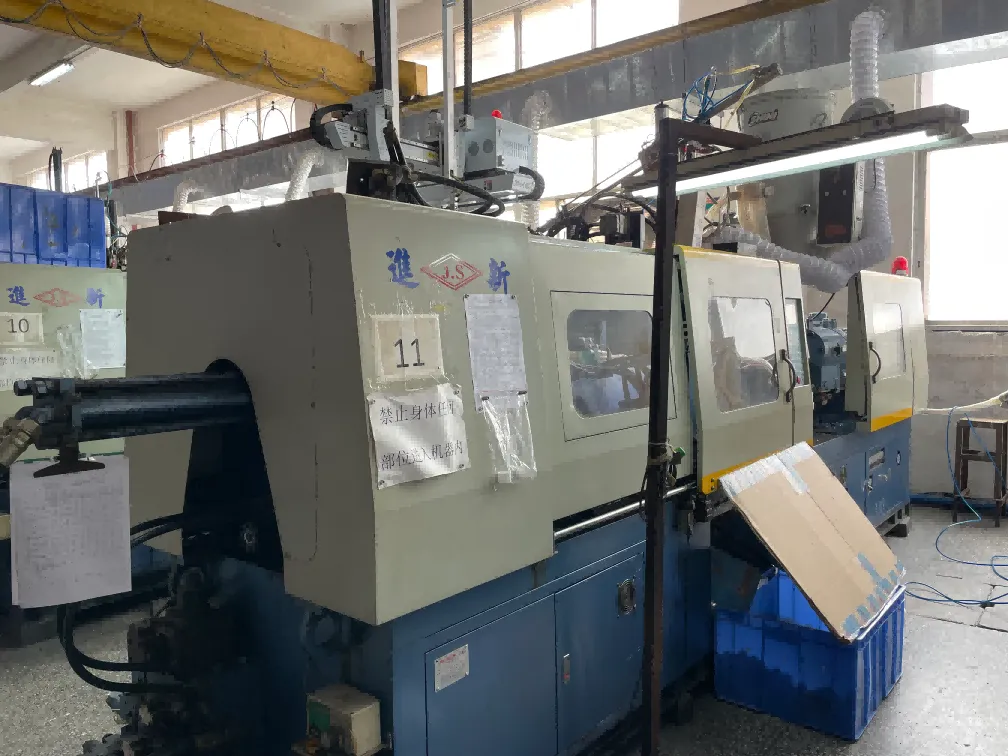
In the world of cosmetic manufacturing, the choice between automatic and manual filling is crucial. It can make or break production efficiency and product quality.
What’s the best way to refill a squeeze tube? The answer varies based on scale, hygiene requirements, and how repeatable your process must be. For pilot runs, manual filling can work. For commercial programs, automatic filling is usually the only way to control consistency and reduce hidden costs (rework, leakage claims, line downtime).

The primary difference between automatic and manual filling lies in repeatability. Manual filling is often suitable for small runs or pilot tests, but it can be inconsistent, slow, and prone to contamination. Automatic filling is designed for high-volume production. It ensures stable dosing, stable sealing, and predictable output—three things that brands need when they scale.
A simple way to think about it:
- Manual filling helps you learn (trial, sampling, testing).
- Automatic filling helps you ship (stable bulk output, lower risk).
Manual vs automatic filling: which one should you choose?
Before deciding, check these 5 factors:
1) Batch size / forecast
- <5,000 pcs: manual or semi-auto may be acceptable.
- 10,000–100,000+ pcs: automatic becomes the safer choice.
2) Formula behavior
- Thin liquids: easier to fill, but splash/foam control matters.
- Thick creams/sunscreens: need controlled dosing to avoid trapped air and stringing.
3) Tolerance for fill variation
- Premium skincare often has stricter net content requirements.
- Variation creates complaints, rework, and regulatory risk in some markets.
4) Hygiene requirement
- The more human contact, the higher the contamination risk.
- Automatic systems reduce exposure points.
5) Your real cost
Manual looks cheap until you add:
- extra labor
- slower speed
- higher rejection rate
- cleaning time
- inconsistent seal failures
How to refill a squeeze tube?
Refilling a squeeze tube may seem simple, but it requires attention to detail. First, ensure the tube is clean and free from contaminants. Then, use a syringe (or a small filling tool) to dispense the product into the tube.
The filling process starts with a clean environment. Contamination can ruin delicate formulations. After filling, the tube must be sealed properly to prevent leakage.
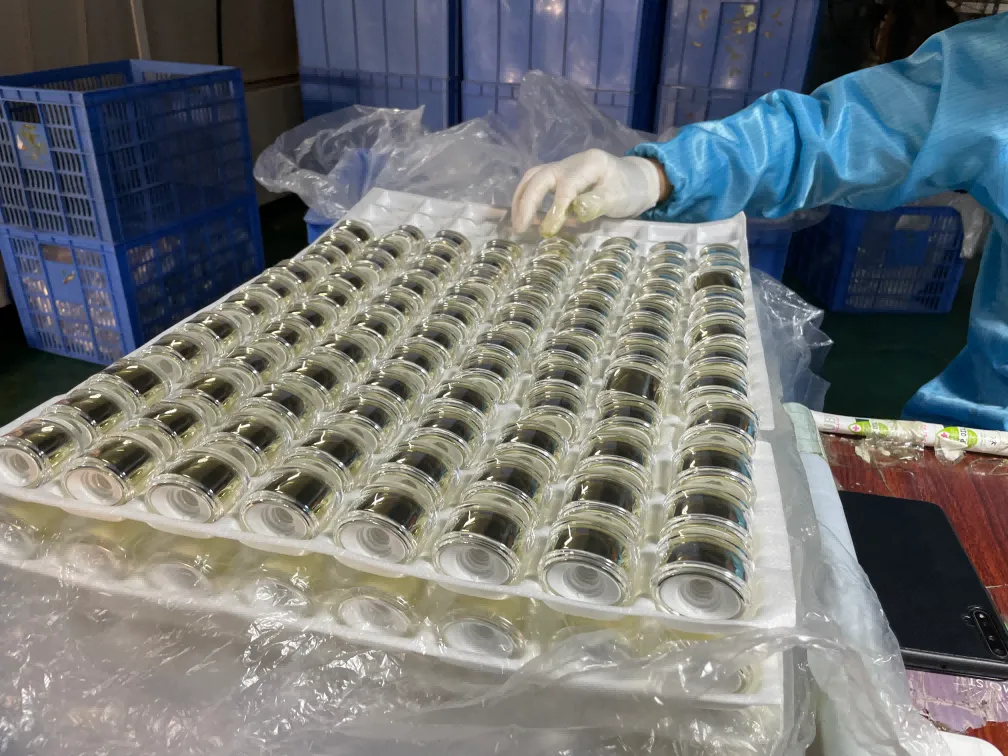
Practical tips that reduce mess and leakage:
- Leave headspace (don’t fill to the very top).
- Wipe the sealing zone clean (cream on the seal line = weak seal).
- Avoid air pockets: fill slowly, tap the tube gently, then top up.
- Seal method: home heat sealing can work, but use low heat and short contact time.
For production teams, manual refilling is fine for:
- lab samples
- stability testing
- pilot batches
But once you move into real orders, manual refilling becomes a risk multiplier.
What are the advantages of a tube filling machine?
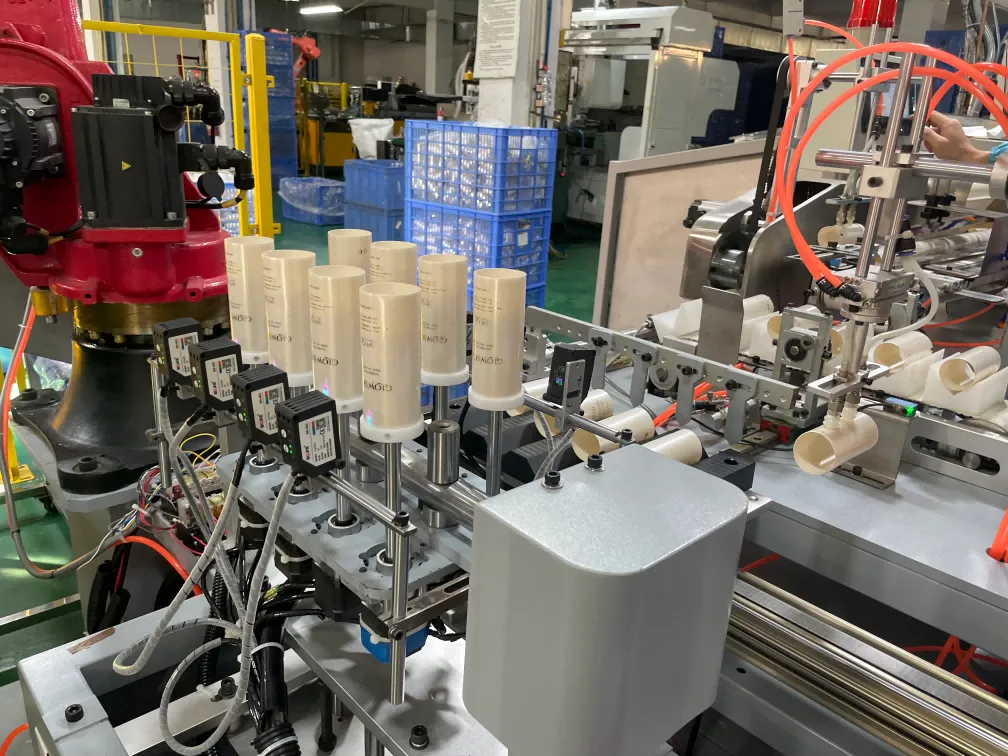
The advantages of tube filling machines are numerous. First, they provide consistent fill volumes, which is crucial for maintaining product quality. Second, they significantly increase production speed. Automatic machines can fill hundreds or thousands of tubes per hour.
Increased efficiency leads to lower total cost. Not just labor cost—also fewer defects, fewer customer complaints, and less downtime.
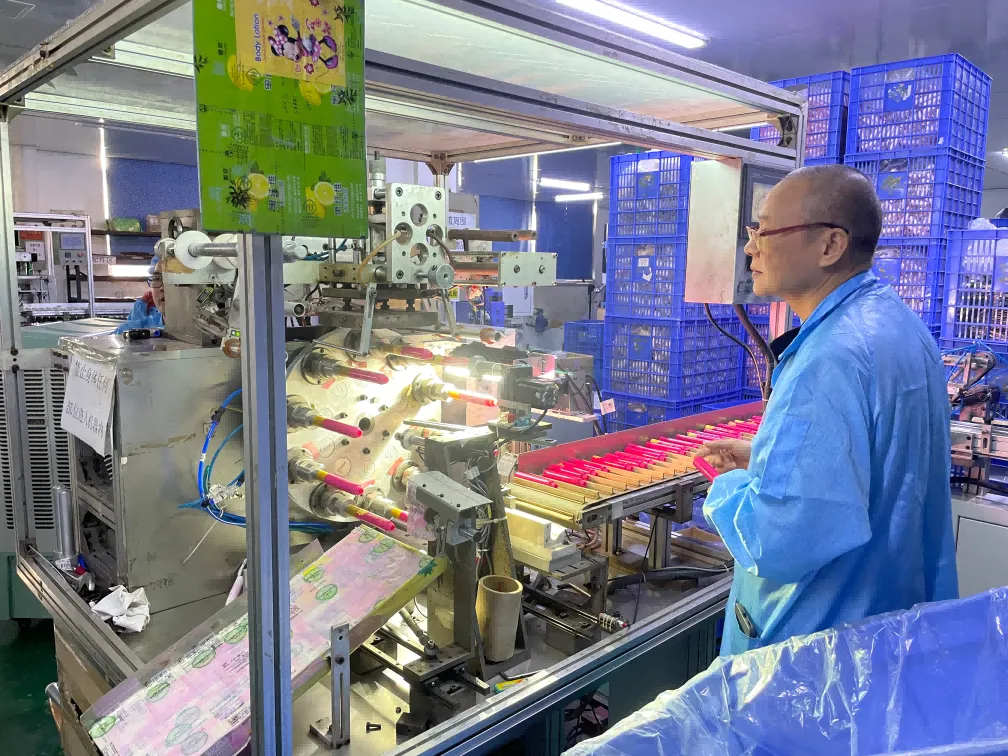
Key benefits brands feel in real projects:
- Stable dosing (less weight variation across shifts)
- Lower contamination risk (reduced open exposure)
- Better sealing consistency (especially for high-speed programs)
- Traceability (batch control is easier with consistent process data)
- Integration (filling + sealing + coding + inspection can run as one flow)
Typical problems automatic filling helps prevent
- inconsistent fill level (bad shelf presentation)
- leaking from weak seals
- trapped air bubbles (especially in creams)
- nozzle dripping/stringing that contaminates seal zone
Why are collapsible tubes more preferred than ointment jars as containers for ointments?
Collapsible tubes are often preferred over ointment jars for several reasons. First, they allow for better product dispensing and help users squeeze out nearly all the contents, reducing waste.
Additionally, collapsible tubes are lighter and more portable than jars, which is a major consumer convenience benefit.
From a hygiene and stability perspective, tubes often win because:
- lower contamination: users don’t dip fingers into the product
- better closure control: cap tightness is more consistent than jar lids in daily use
- less oxidation exposure: product is not repeatedly exposed to air in a wide-mouth opening
When jars are still better:
- very thick balm-like products that are hard to dispense
- luxury positioning where a jar experience is part of the brand identity
What is the principle of a vial filling machine?
A vial filling machine operates on a straightforward principle: it uses a pump system (or volumetric/gravimetric control) to dispense a specific volume into each vial.
The goal is accuracy and repeatability, often supported by sensors, timing control, and feedback systems.
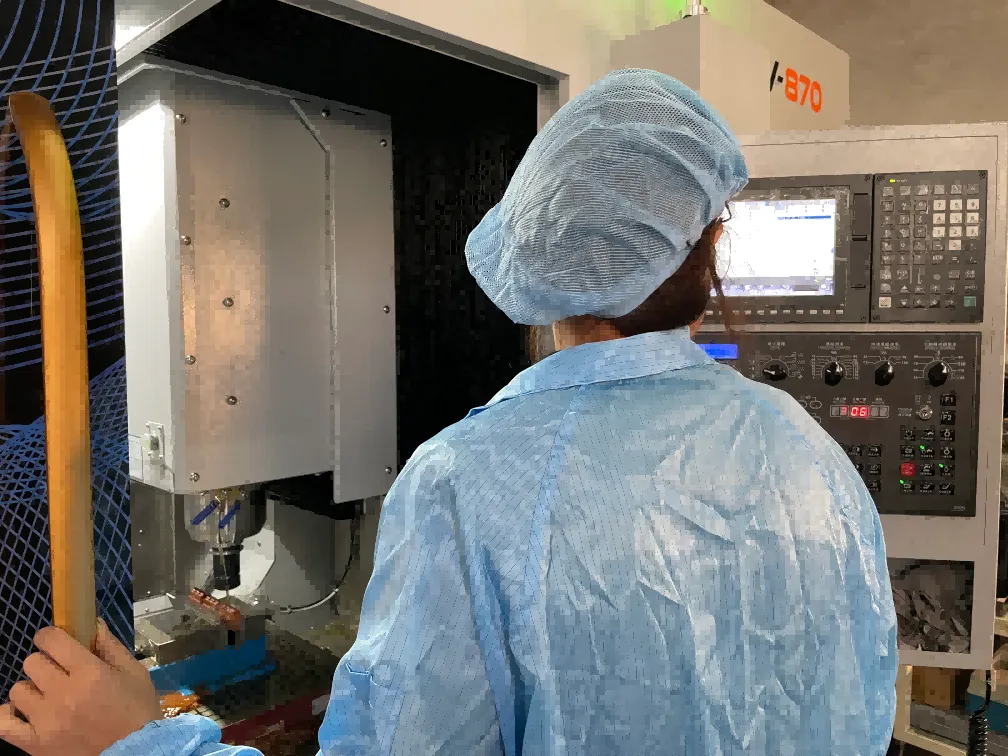
Why this matters for tube filling too:
- The same logic applies: accuracy depends on stable product flow + stable container positioning + stable control method.
- If any one part varies (viscosity shifts, temperature shifts, tube geometry shifts), accuracy drops and defects rise.
What is the working principle of an automatic capsule filling machine?
An automatic capsule filling machine separates the capsule halves, fills them with powder or pellets, then closes and ejects them—at very high speed.
It’s a good reference for understanding automation logic: accurate positioning, repeatable dosing, and controlled closing/sealing as a continuous workflow.
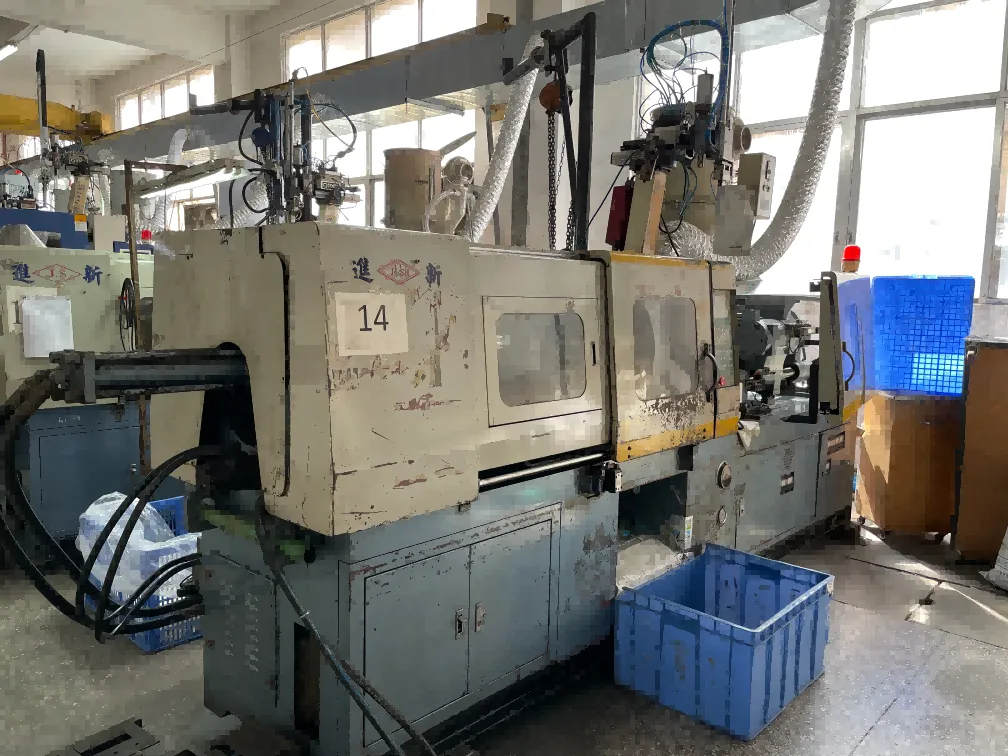
For cosmetic tube production, the “automation mindset” is similar:
- stable feeding/orientation
- stable dosing
- stable sealing
- stable inspection/rejection handling
Automation doesn’t just boost speed—it reduces variation between shifts, operators, and days.
Which methods are generally used in liquid filling?
Several methods are commonly used in liquid filling for cosmetics:
- Gravity filling: simple, good for low-viscosity liquids (but less precise for thick products).
- Pump filling: uses controlled pumping for consistent volume.
- Positive displacement (piston/diaphragm): ideal for viscous creams and gels.
- Vacuum filling: useful when avoiding air exposure or controlling bubbles.
- Time-pressure filling: good for certain products but sensitive to viscosity changes.
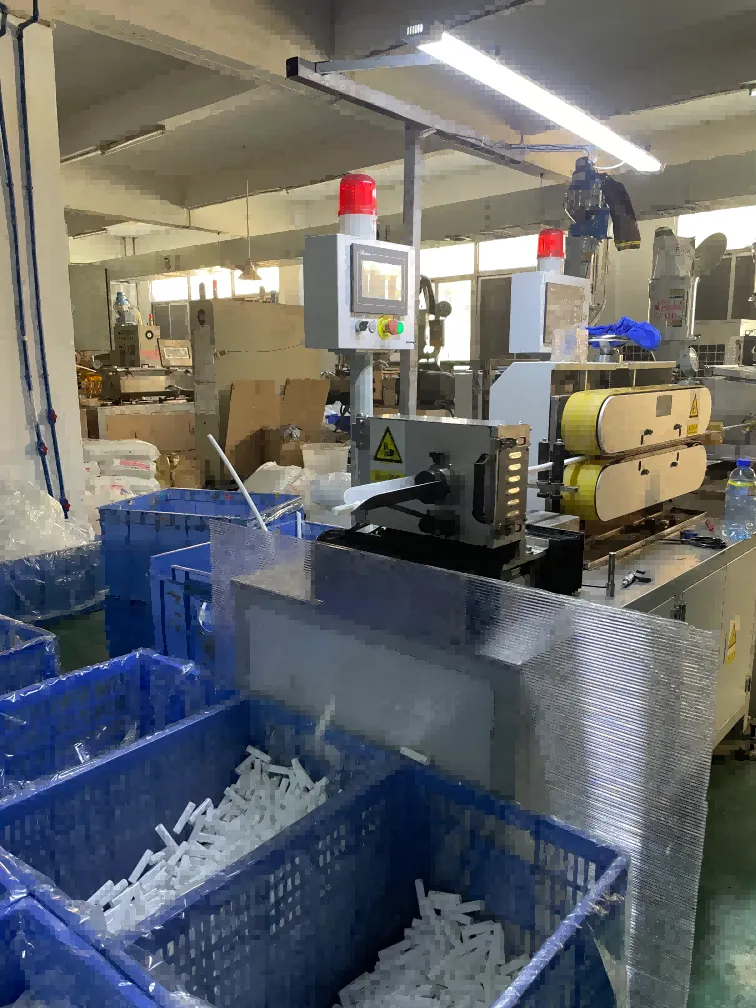
How to choose the method (fast guide)
- Serum / thin gel → pump or gravity + foam control
- Lotion / cleanser → pump or piston systems (balance speed + stability)
- Cream / sunscreen / ointment → positive displacement (piston) + controlled nozzle
A key production truth:
The thicker the product, the more the filling method must be designed to prevent bubbles, stringing, and seal contamination.
Conclusion
Choosing between automatic and manual filling methods is critical in cosmetic manufacturing. Manual filling supports sampling and early testing, but automatic filling is usually the best path for stable bulk output.
Automatic filling offers higher efficiency, better consistency, stronger hygiene control, and lower long-term risk—making it the preferred choice for mass production.




 English
  French
  Vietnamese
  Spanish
  German (Austria)
  German
  South Azerbaijani
  Japanese
  Italian
  Persian
  Russian
  Finnish