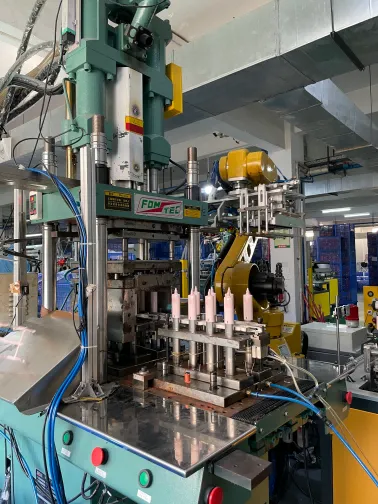
In any cosmetic manufacturing process, the right filling equipment is crucial for success. Choosing the wrong machine can lead to inefficiencies, higher scrap rates, and avoidable product waste.
A tube filling machine is an essential piece of equipment in the cosmetic industry that allows for the precise filling of tubes with various products, ensuring proper dosage and high efficiency.
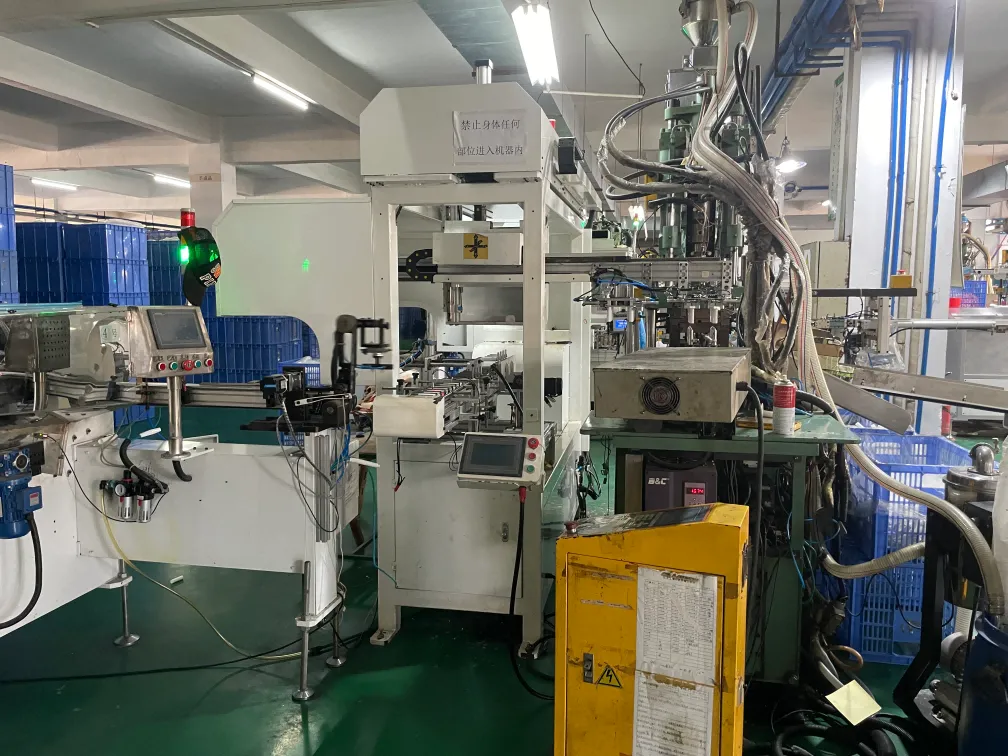
The filling process in a factory is not just about putting product into a tube. It involves careful consideration of multiple factors—product behavior, tube structure, sealing performance, and line speed targets. When any one factor is not aligned, the line slows down, or the defect rate rises. In bulk programs, even a small defect rate (like 1–2%) can become a major cost because it accumulates across hundreds of thousands of units.
In 2026, many brands are launching more SKUs (more sizes, more caps, more finishes), but they still want stable lead times. That means the filling machine must handle frequent changeovers while keeping accuracy and seal quality stable. The tube supplier also matters here: the best machine can still struggle if the tube’s shoulder geometry or wall stiffness is inconsistent.
What is a tube filling machine?
A tube filling machine is designed to fill tubes with liquids or semi-liquids. It ensures that the correct amount is dispensed into each tube. These machines vary from manual to fully automated versions and can handle different types of tubes.
With its ability to maintain consistent volume control, a tube filling machine is essential for ensuring that every tube is filled accurately, which is critical for maintaining product quality and brand reputation.
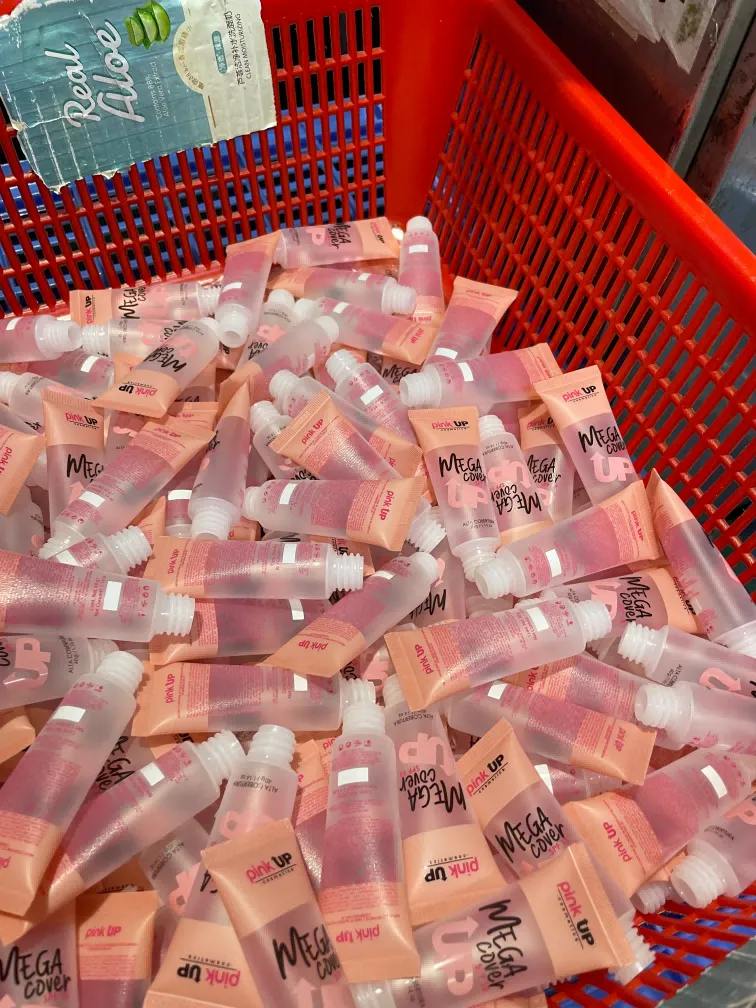
Choosing the right tube filling machine involves understanding the product's viscosity and the tube's design. The machine must accommodate the specific requirements of the product being filled.
Diving deeper, the choice of machine affects not just the filling process, but also how well the product will maintain its integrity over time. Factors such as tube material, sealing methods, and alignment with downstream processes play significant roles in how successful the production will be.
Key parts of a tube filling machine (what buyers should know)
Even if you don’t buy the machine, understanding these parts helps you reduce risks:
- Tube feeding & orientation system: ensures printed tubes face the right direction.
- Nozzle + dosing unit: volumetric/piston/servo dosing affects accuracy for thick creams.
- Tube clamping system: too much pressure deforms soft tubes; too little causes misalignment.
- Sealing unit: heat sealing or ultrasonic sealing; needs clean sealing zones.
- Coding/marking unit: date/batch codes must remain readable after handling.
- Discharge + inspection: catches leakage, weak seals, and deformation early.
What should you consider when selecting a tube filling machine for cosmetics?
For cosmetics, the “best” machine depends on the formula and target speed. Most problems in real production come from mismatch, not from “bad machines.” Important selection points include:
1) Product viscosity & flow behavior
- Thick creams, sunscreens, and gels often require stronger dosing control and better nozzle design to avoid stringing and trapped air.
2) Foaming tendency
- Some cleansers or foamy gels need controlled filling speed to reduce bubbles.
3) Tube size range
- If you run many diameters (D16–D50+), your machine must support fast changeover kits and stable alignment.
4) Sealing method compatibility
- Heat sealing is common for PE tubes; ultrasonic sealing can be more forgiving in some cases but still requires stable tube structure.
5) Target line speed & OEE
- A machine might claim high speed, but what matters is stable output at your formula and tube spec.
A practical rule: if your brand sells premium skincare, the hidden cost of defects is higher than the cost of the machine itself. A stable machine plus a stable tube supplier is the real combination.
What is a liquid filling machine in the pharmaceutical industry?
Liquid filling machines in the pharmaceutical industry are specialized machines that fill vials, bottles, or tubes with liquid medications. They are designed to ensure compliance with strict hygiene and safety standards.
These machines can handle a variety of liquids, from thin solutions to thick suspensions, making them adaptable to numerous pharmaceutical applications.
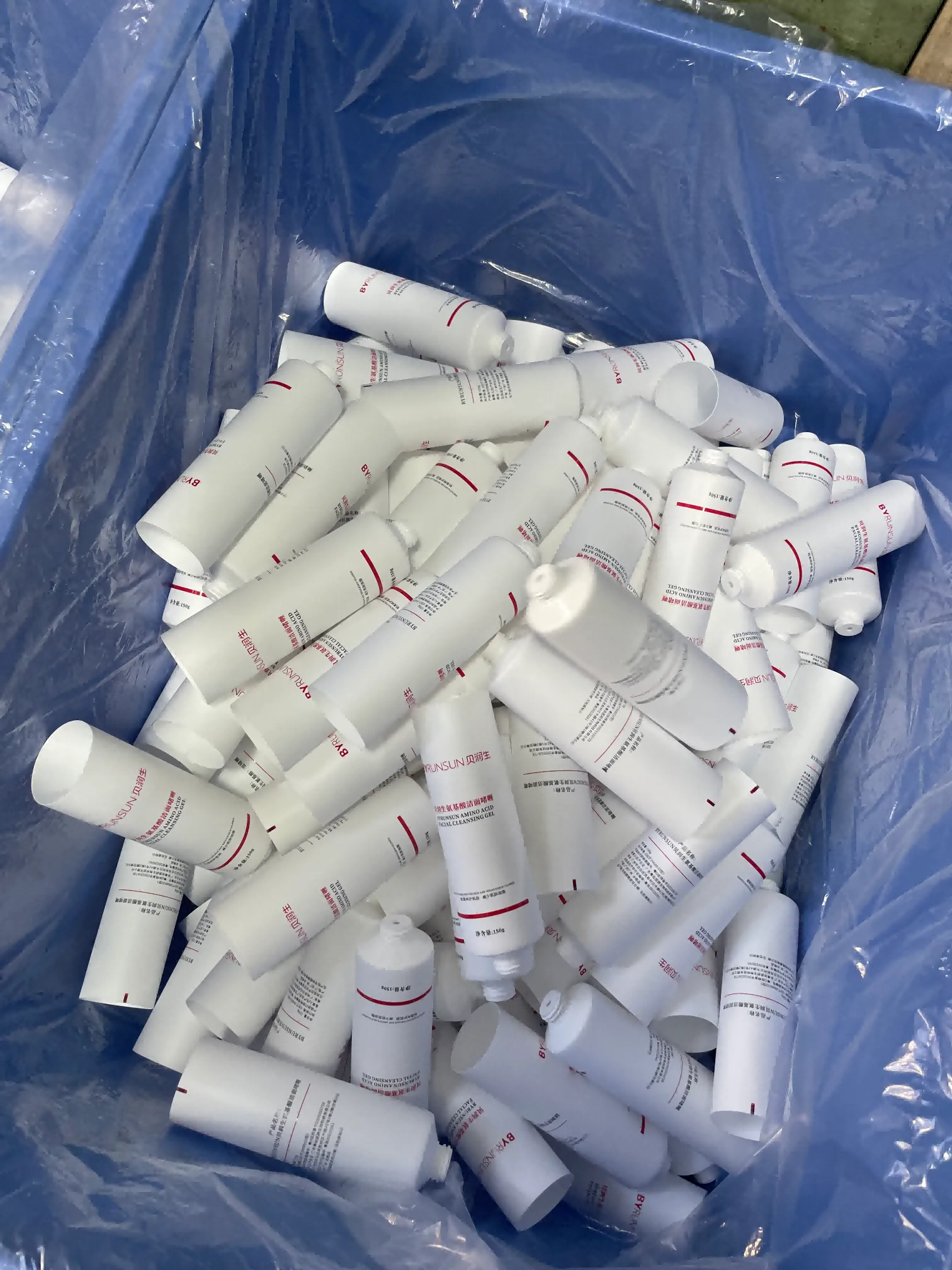
In the pharmaceutical sector, accuracy and cleanliness are paramount. Therefore, many liquid filling machines come equipped with advanced features that reduce the risk of contamination and ensure every dose is accurate.
The importance of tube compatibility comes to light here as well. Pharmaceutical liquid filling machines are designed to work with specific types of vials and tubes to ensure a perfect fit and minimize issues during the filling process.
To be effective, these machines must operate under controlled environments. This ensures that the filled products meet the rigorous standards expected in the pharmaceutical market.
Why cosmetic buyers should learn from pharma filling
Even if cosmetics are less strict than pharma, the mindset helps:
- prioritize cleanability of product-contact parts
- prioritize traceability (batch records, QC logs)
- prevent defects before scale (trial runs, validation samples)
Which methods are generally used in liquid filling?
Several methods are employed in liquid filling processes, including volumetric filling, gravimetric filling, and piston filling. Each method has its strengths and weaknesses, depending on the product and packaging type.
Volumetric filling is one of the most common methods used. It measures the exact volume of liquid dispensed into each container, ensuring consistency and accuracy across all filled units.
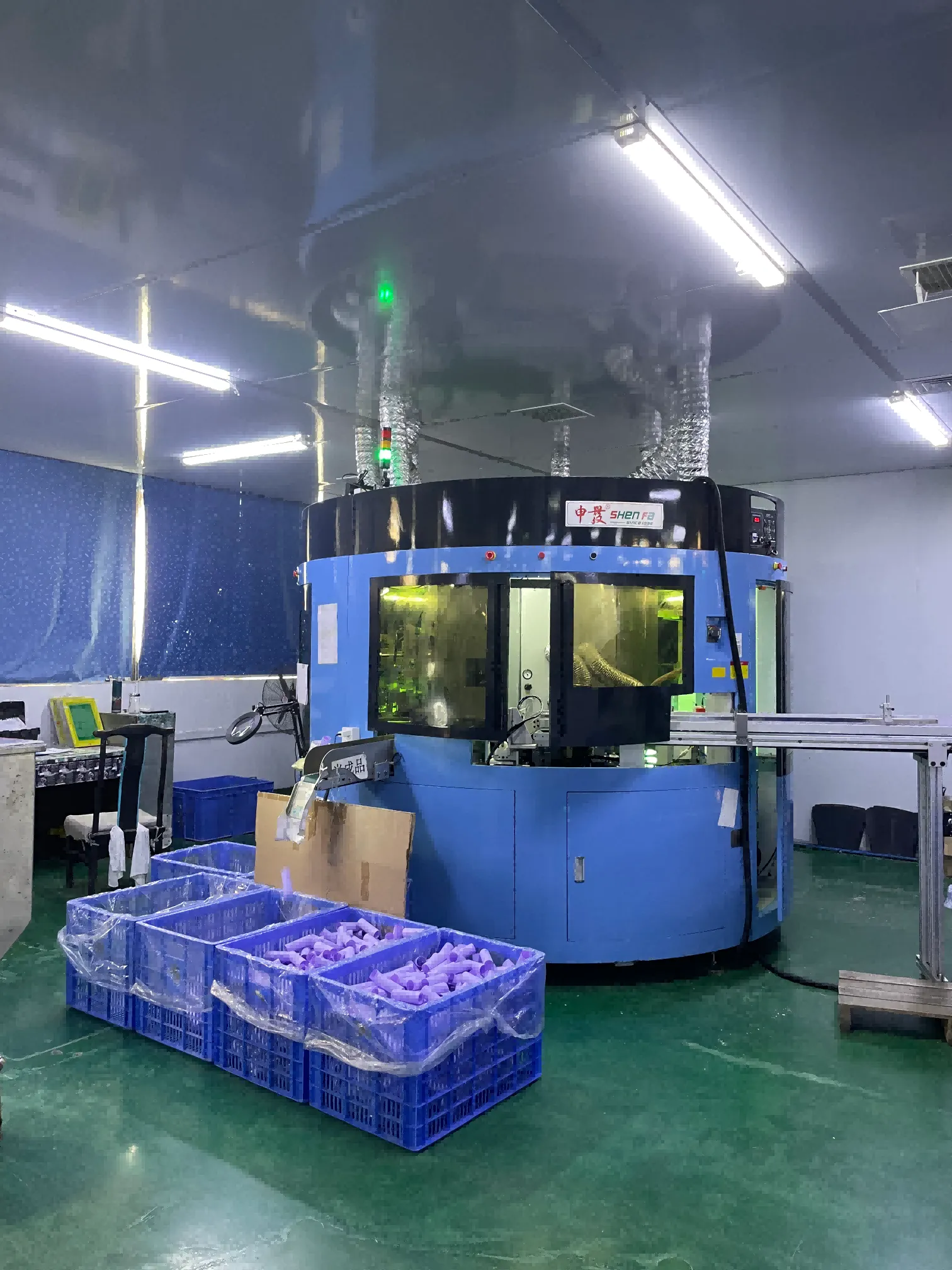
Gravimetric filling, on the other hand, weighs the liquid before filling it into containers. This method is highly accurate but may be more complex and expensive than volumetric systems.
Understanding these methods is essential for manufacturers to find the equipment that aligns with their production needs. Each method can affect the speed, accuracy, and quality of the final product.
When selecting a filling method, consideration must also be given to the characteristics of the liquid being filled. Factors such as viscosity, foaming tendency, and temperature can influence which filling method will ultimately be the most efficient.
How to match filling method to cosmetic products (practical)
- Serums / thin gels → volumetric or gravimetric
- Thick creams / sunscreen → piston/servo systems often more stable
- Foamy cleansers → controlled speed + anti-foam design to reduce bubbles
What is a capsule filling machine called?
A capsule filling machine is often referred to as an encapsulator. This equipment is used to fill capsules with powders, granules, or pellets.
Encapsulators can be either manual or automatic, with the latter being more common in large-scale production operations.
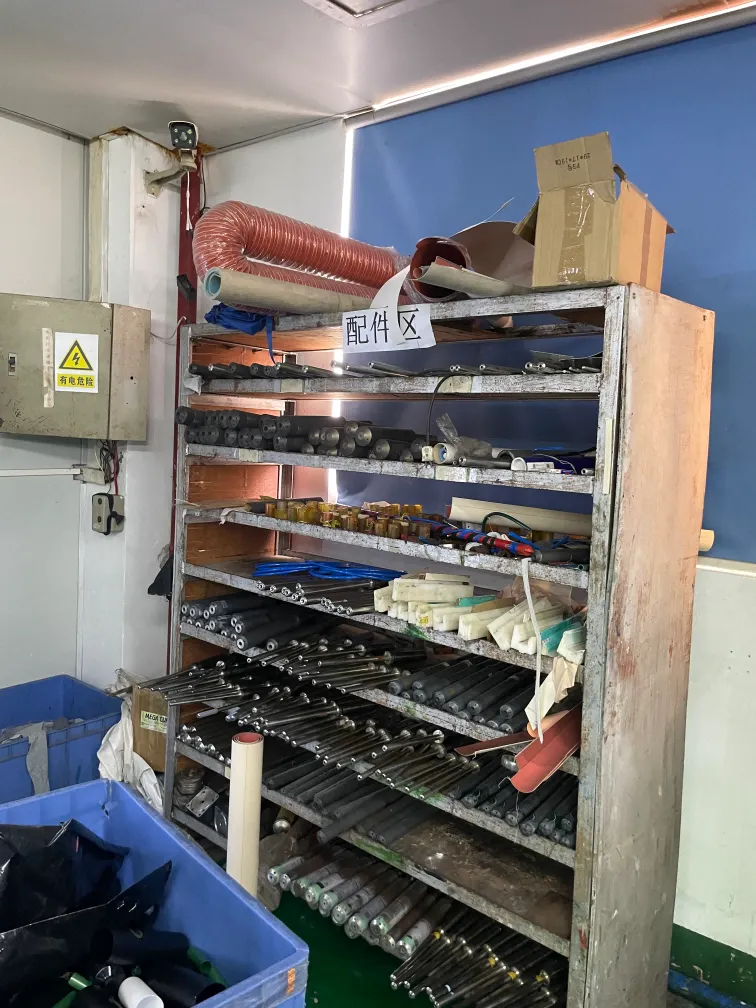
These machines work by inserting the empty capsule halves, filling them with the desired product, and then sealing them. The process is crucial for maintaining the quality and efficacy of the pharmaceutical product inside.
Choosing the right encapsulator is important for ensuring high productivity and minimizing waste. Like with tube filling, compatibility with the product type and capsule size is essential.
What is the filling process in manufacturing?
The filling process in manufacturing typically involves several key steps. First, the product is prepared and transported to the filling machine. Then, the machine fills the containers, followed by sealing and labeling.
Throughout this process, quality control is vital. Regular checks ensure that the filled products meet industry standards and specifications.
An effective filling process not only improves efficiency but also minimizes waste and maximizes quality. Any disruptions during filling can lead to costly delays and product rework.
In my experience, attention to detail during the filling process is what separates successful manufacturers from those who struggle. Proper training and equipment calibration are essential to ensuring a smooth operation.
From my factory's perspective, having the right equipment that integrates well with other stages of production is critical. It’s all about creating a seamless workflow that enhances productivity and maintains quality.
Common tube filling problems (and what they usually mean)
- Leakage after sealing → sealing zone contamination / wrong sealing parameters / tube thickness mismatch
- Inconsistent fill weight → temperature variation / dosing instability / formula homogeneity issues
- Air bubbles → nozzle insertion depth issues / high speed filling / foaming formula
- Tube deformation → tube body too soft / clamp pressure too high / packing density too aggressive
- Print misalignment → orientation control weak / tube deformation during clamping
If you are buying tubes in bulk, a smart approach is to request a small trial batch first, run it on the customer’s filling line, and lock down the spec before mass production. This reduces scale risk dramatically.
Conclusion
In summary, choosing the right cosmetic tube filling equipment is essential for ensuring quality production. Equipment selection must align with product characteristics and production requirements.
For bulk buyers, the most reliable results come from system alignment: stable filling equipment + stable tube structure + clear QC checkpoints. When these three match, your production runs faster, defects drop, and your launch schedule becomes predictable.




 English
  French
  Vietnamese
  Spanish
  German (Austria)
  German
  South Azerbaijani
  Japanese
  Italian
  Persian
  Russian
  Finnish