
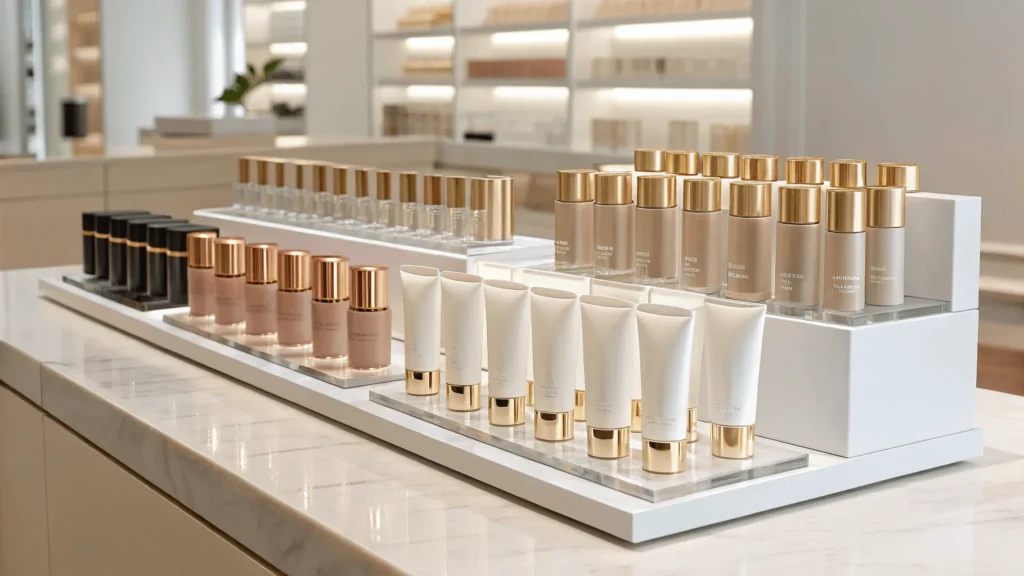
The material choice for cosmetic tubes can make or break a product’s success. It’s crucial to understand what goes into these tubes to ensure your brand stands out.
The most common materials used in cosmetic tubes are PE, PCR, and aluminum. Each material has its unique advantages and challenges.
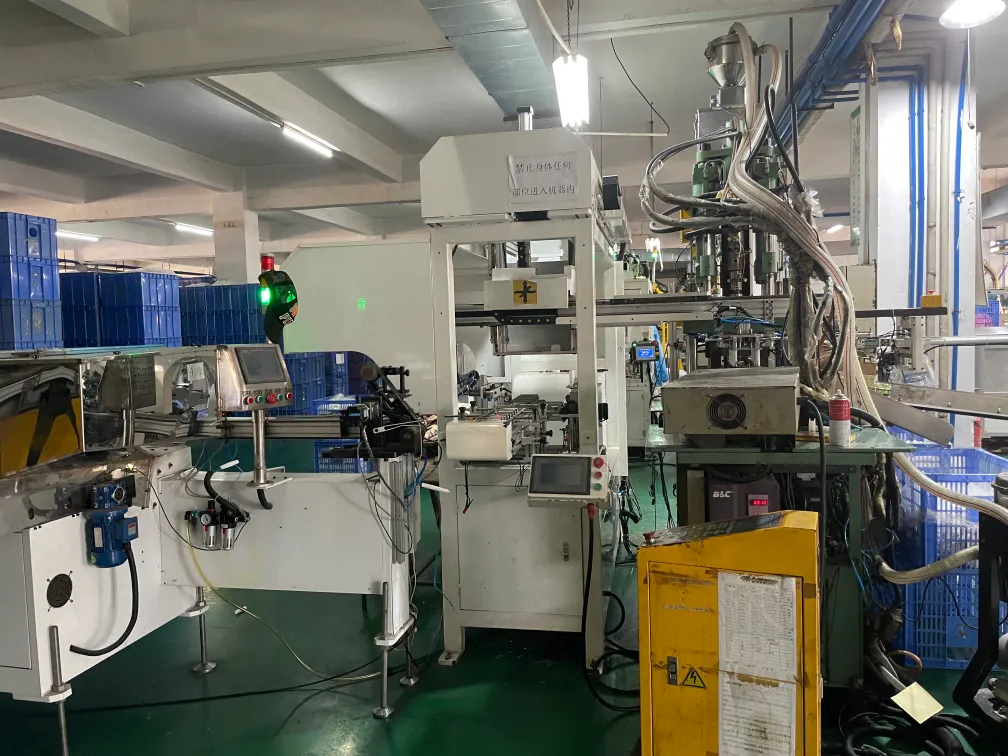
When selecting materials, it’s not just about quality but also compatibility with your product and filling process. A tube is a “system component”: it touches formula stability, filling speed, sealing strength, decoration durability, shipping deformation risk, and even sustainability claims. One wrong assumption (for example, treating PCR as “same as virgin” without testing) can lead to leaks, color inconsistency, or repeat-order instability.
In 2026, many brands also face tighter packaging requirements: more SKUs, shorter lead times, and higher expectations for documented sustainability. That’s why material choice should be made with a repeat-order mindset, not a one-time sample mindset.
What materials are used to make cosmetic tubes?
Choosing the right material is essential for both function and cost. PE (polyethylene) is the standard for many cosmetic tubes. It’s flexible, cost-effective, and can accommodate a wide range of formulations. PE’s reliability during high-speed production means fewer defects, which is crucial for brands scaling up.
PCR (post-consumer recycled) is a variation of PE. It incorporates recycled materials, supporting sustainability initiatives, which many consumers now prioritize. However, it can complicate the manufacturing process. Variability in recycled content can lead to differences in color, stiffness, and sealing behavior if the supplier’s control system is weak.
Aluminum is the third option. It is known for its superior barrier properties, making it ideal for products sensitive to light or air. However, it comes with its own set of challenges: the process is more sensitive, the tube behavior differs from PE, and it usually costs more.
In short, each material plays a distinct role in the manufacturing landscape. Understanding these differences can help brands make informed choices—not only for looks, but for production stability and customer experience.
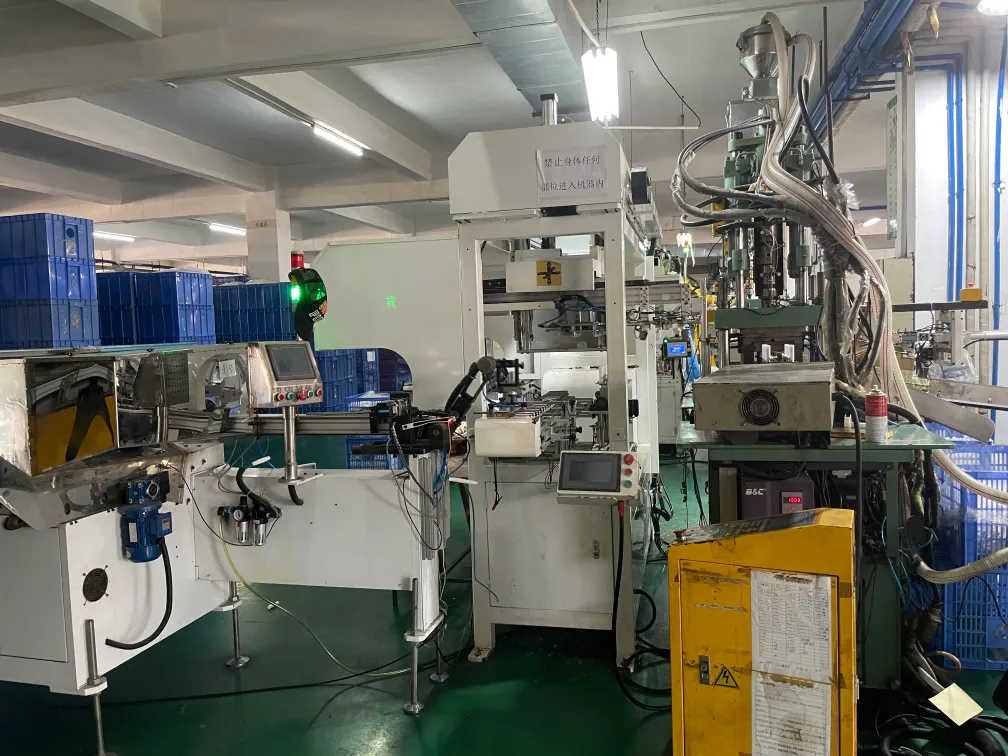
A practical way to compare materials (what brands should care about)
When brands evaluate tube materials, the most important decision factors usually fall into 5 buckets:
1) Barrier needs (does your formula oxidize, discolor, or lose activity?)
2) Filling & sealing stability (high-speed production vs small batch / manual filling)
3) Decoration requirements (multi-color printing, matte finish, hot stamping, etc.)
4) Sustainability claims (PCR %, bio-based content, documentation readiness)
5) Total landed cost (unit cost + defect risk + shipping deformation risk)
What are squeeze tubes made of?
Squeeze tubes are primarily made from PE due to its affordability and suitability for mass production. The material can be easily molded, printed, and filled—allowing factories to produce a variety of diameters and lengths efficiently.
In contrast, PCR tubes often require more careful handling and testing. The recycled materials can introduce variability, leading to concerns about consistency in performance. Many brands choose a blend strategy (for example, a percentage of PCR in PE) to balance sustainability with stable tube behavior.
Aluminum tubes, while less common for everyday cosmetics, offer a premium feel and strong protection for sensitive formulas. However, they demand more precision during filling and sealing, which can increase total cost—especially if your line is not optimized for them.
Manufacturers must balance the material’s properties with production requirements. The goal is a tube that can be filled efficiently and performs well once it reaches the consumer.
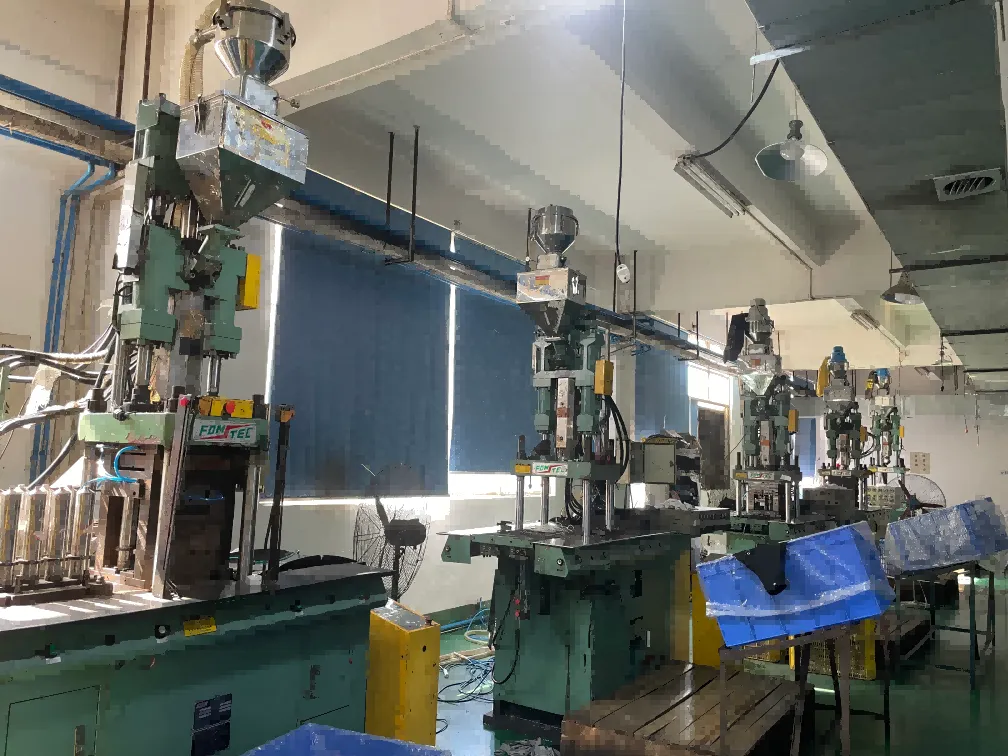
What squeeze feel actually depends on (not just “material”)
Many buyers assume squeeze feel is only about PE vs PCR vs aluminum, but the real drivers include:
- tube wall thickness and stiffness
- shoulder design
- cap type and orifice
- formula viscosity (thick creams feel “stiffer” to dispense)
So even within PE, two tubes can feel completely different if the structure is designed differently.
Is aluminum safe for cosmetics?
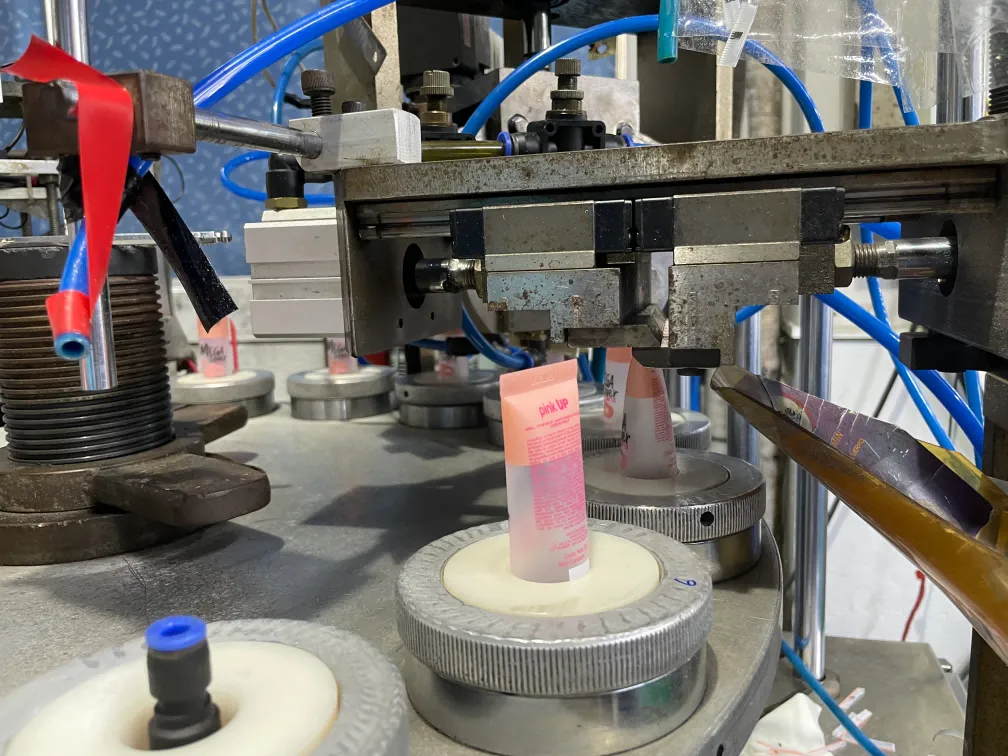
Aluminum is generally considered safe for cosmetic packaging when properly manufactured and used with appropriate internal coatings (where required). It provides an excellent barrier against external elements, helping formulations stay stable.
That said, aluminum packaging requires more careful production control:
- sealing and crimping quality must be consistent
- ink/coating compatibility matters for decoration durability
- filling cleanliness is critical to prevent seal weakness
Ultimately, if properly processed and sealed, aluminum tubes can be a safe and effective choice for cosmetics. Their upscale image can enhance a brand’s appeal—especially for premium skincare, ointments, and sensitive actives.
When aluminum is a better choice than PE/PCR
Aluminum often makes sense when:
- your formula is highly sensitive to oxygen/light
- you need strong barrier performance for long shelf life
- you want a premium “pharmacy/ointment” style positioning
If your product is a daily cleanser or large-volume lotion, PE/PCR is usually more practical.
What are the raw materials for the cosmetics industry?
In the cosmetics industry, raw materials can vary widely. They include everything from active ingredients like vitamins and peptides to base materials such as oils and waxes. The choice of packaging materials also plays a crucial role.
For tubes, PE is a go-to for many brands due to its versatility. PCR is becoming more popular as brands strive to meet sustainability goals. Aluminum is chosen for its superior protective qualities.
What’s often misunderstood is this: brands usually don’t fail because they chose “the wrong material” on paper—they fail because they didn’t align material + production control + documentation. Especially for PCR, your sustainability claim is only as strong as your traceability and supplier proof.
| Material | Advantages | Challenges |
|---|---|---|
| PE | Cost-effective, flexible, stable for high-speed filling | Lower sustainability story unless paired with PCR/bio-based |
| PCR | Supports sustainability goals, recycled content | Batch variability risk; needs proof, traceability, tighter QC |
| Aluminum | Excellent barrier, premium feel | Higher cost; more sensitive process; not ideal for every SKU |
The raw materials used in cosmetic tubes are integral to a brand’s identity and product efficacy.
Documentation checklist (especially important for PCR programs)
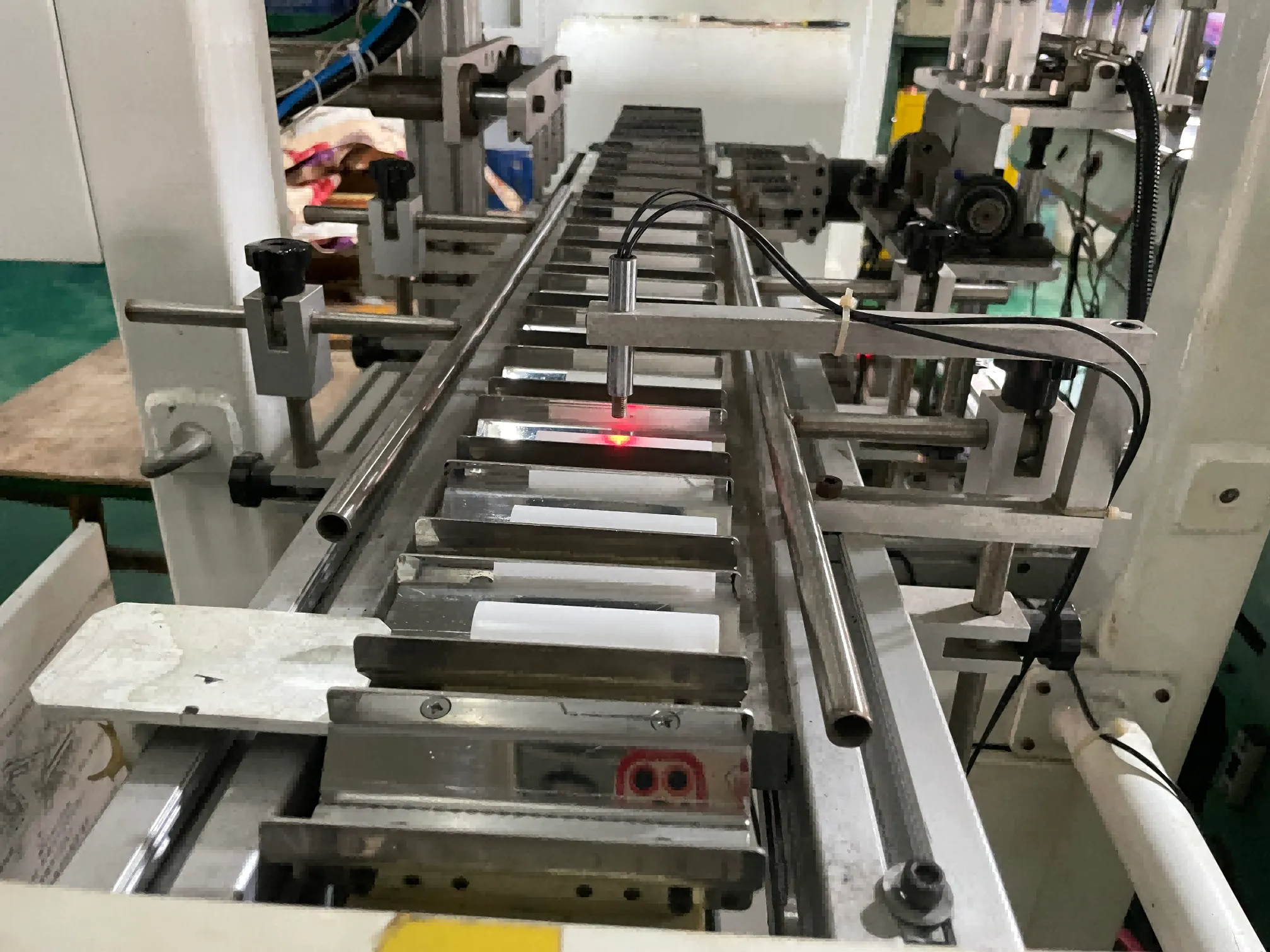
If you’re buying PCR tubes, request these early (before bulk production):
- PCR content declaration (percentage + method)
- traceability approach (batch identification and segregation)
- compliance statements for your target market
- QC checkpoints (color, stiffness, sealing performance consistency)
This is how you avoid a “good first batch, unstable second batch” problem.
Which material is commonly used for making tubes?
PE remains the most common material for cosmetic tubes. Its effectiveness in rapid production environments cannot be overstated. PE provides flexibility, stable sealing behavior, and cost control across large orders.
PCR is gaining traction as brands adopt sustainability, but it must be managed like a controlled program: stable sourcing, controlled compounding/batching, and consistent processing.
Aluminum is often reserved for premium or sensitive formulas due to its barrier properties and luxury perception. However, its complexity makes it less accessible for mass-market brands unless there’s a strong product reason.
Manufacturers must weigh the pros and cons of each material to determine the best fit for their specific tube needs.
Quick decision guide (simple and practical)
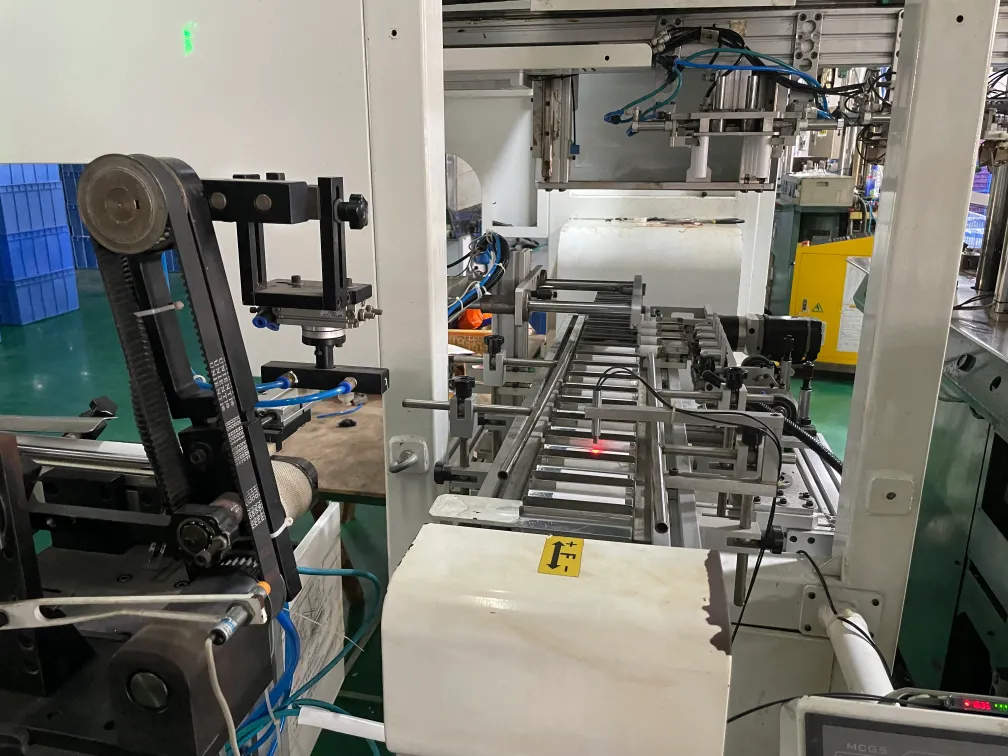
- If you want lowest risk + stable bulk supply → PE
- If you want sustainability story + still practical → PCR (with proof + trials)
- If you want maximum barrier + premium positioning → Aluminum
Are aluminum toothpaste tubes safe?
Yes, aluminum toothpaste tubes are generally safe for use when manufactured with appropriate controls. They provide an effective barrier against moisture and light, helping preserve the product.
However, aluminum tubes can present challenges during filling:
- sealing/closing needs consistent control
- any contamination at the seal zone can increase leak risk
- the tube behavior differs from plastic (more sensitive to handling damage)
In conclusion, while aluminum may require more process discipline, its advantages in protective packaging are real—and it can be a strong choice in specialized applications like toothpaste, ointments, and pharmacy-style products.

Conclusion
Choosing the right material for cosmetic tubes is vital for product success and brand identity. PE offers stable mass production, PCR supports sustainability (but demands stronger control and documentation), and aluminum delivers premium barrier performance for sensitive formulas.
If you want the safest sourcing path: define your formula needs, run filling/sealing trials, lock down repeat-order specs, and choose suppliers who can support both production stability and material proof.



 English
  French
  Vietnamese
  Spanish
  German (Austria)
  German
  South Azerbaijani
  Japanese
  Italian
  Persian
  Russian
  Finnish