
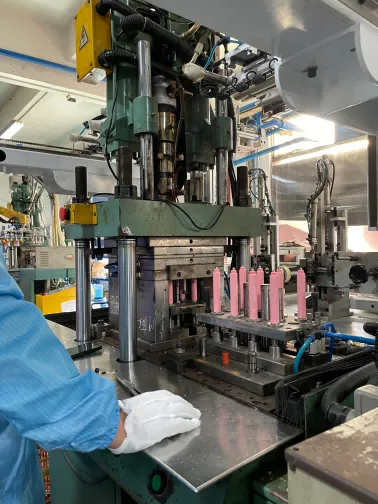
Matte liquid lipsticks are unique due to their high pigment and viscosity, which pose specific challenges in packaging.
Different types of lipstick packaging include tubes, pots, and sticks. Each type serves a different purpose and offers unique benefits. For matte liquid lipsticks, tubes are the most popular choice due to their convenience and versatility.
Matte liquid lipstick is not just any product. Its high pigment and viscosity demand specific packaging solutions. The need for stability in dispensing is paramount. A slight leak can lead to drying, clumping, and customer complaints. The cost of rework can be significant. Once the product hits the market, fixing these issues is often impossible.
What are the different types of lipstick packaging?
Lipstick packaging comes in various forms, each with its advantages. Tubes are most common for liquid lipsticks. They allow for precise application and are easy to carry. Pots offer a vintage feel but require a brush for application. Sticks are traditional but often do not suit matte formulas.
For matte liquid lipsticks, tubes provide the best balance of convenience and product protection. Their design allows for controlled dispensing, reducing the risk of waste.
When choosing lipstick packaging, brands must consider many factors. They need to select materials that not only look good but also maintain product integrity. Soft tubes can lead to poor dispensing, while hard ones can impact user satisfaction. The goal is to find the right balance for an optimal experience.
How to get the last bit of liquid lipstick out of the tube?
To get the last bit of liquid lipstick out of the tube, one can use a small tool or a cotton swab to scrape the interior. It’s frustrating to waste product, especially when there’s still some left. A small spatula or a similar tool can help reach those hard-to-reach corners.
Using a cotton swab can help you access the last bit of product without causing a mess. This is especially important for high-end liquid lipsticks where every drop counts.
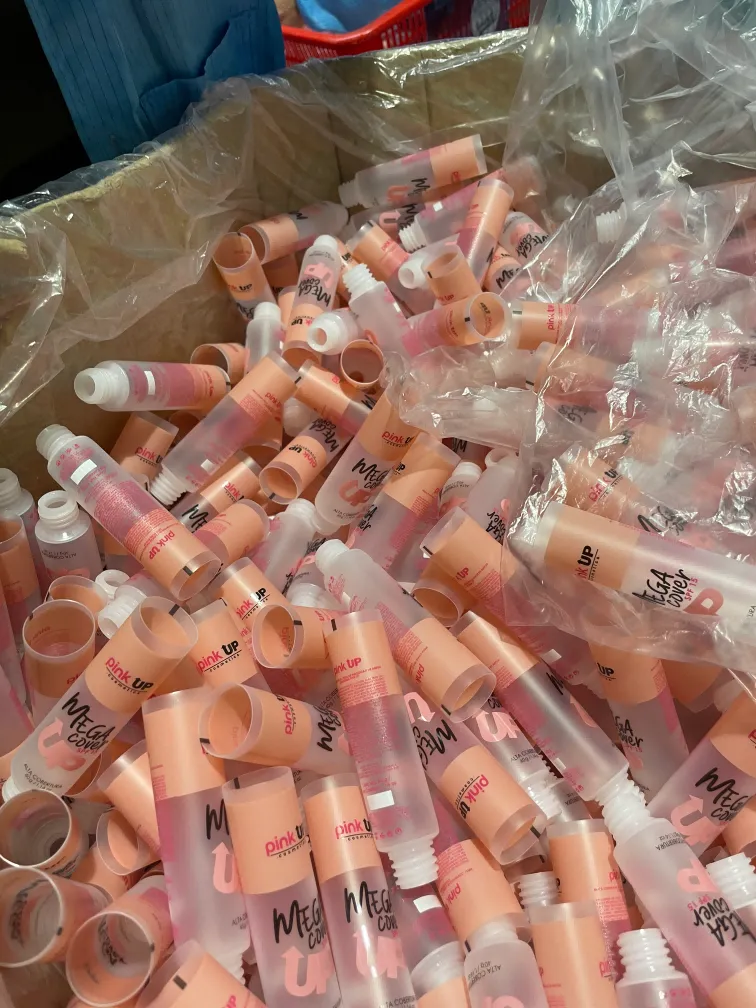
Effective packaging is essential for maintaining the product's quality. For manufacturers, ensuring that the tube allows for maximum product extraction is key. This requires a careful design of the tube's neck and opening to minimize waste.
How is lipstick packaging made?
Lipstick packaging typically involves several stages. First, a concept is designed based on the product specifications. Then, materials are selected. For matte liquid lipsticks, the choice of tube material is critical. PE is commonly used but needs to be compatible with the formula.
The process starts with designing the tube, selecting materials, and then manufacturing the tube through extrusion and molding. Ensuring the tube maintains its integrity during filling is crucial.
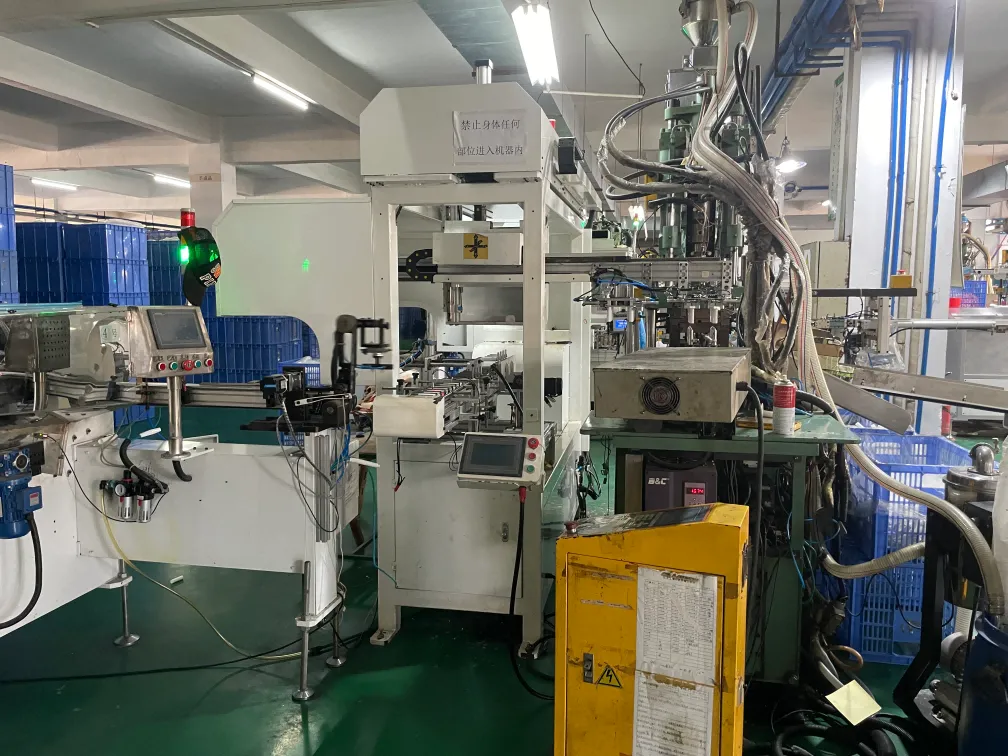
Manufacturers focus on several factors during production. They need to consider wall thickness and consistency to avoid issues during filling. Any instability can lead to inefficiencies and increased costs.
How to transfer lipstick to another tube?
Transferring lipstick to another tube can be done with a small funnel or syringe. First, ensure that the new tube is clean and ready for use. Then, use heat to soften the original lipstick if necessary. This will help with the transfer process.
Carefully pouring the lipstick into the new tube can help avoid spills. Using a funnel can make this process smooth and efficient.
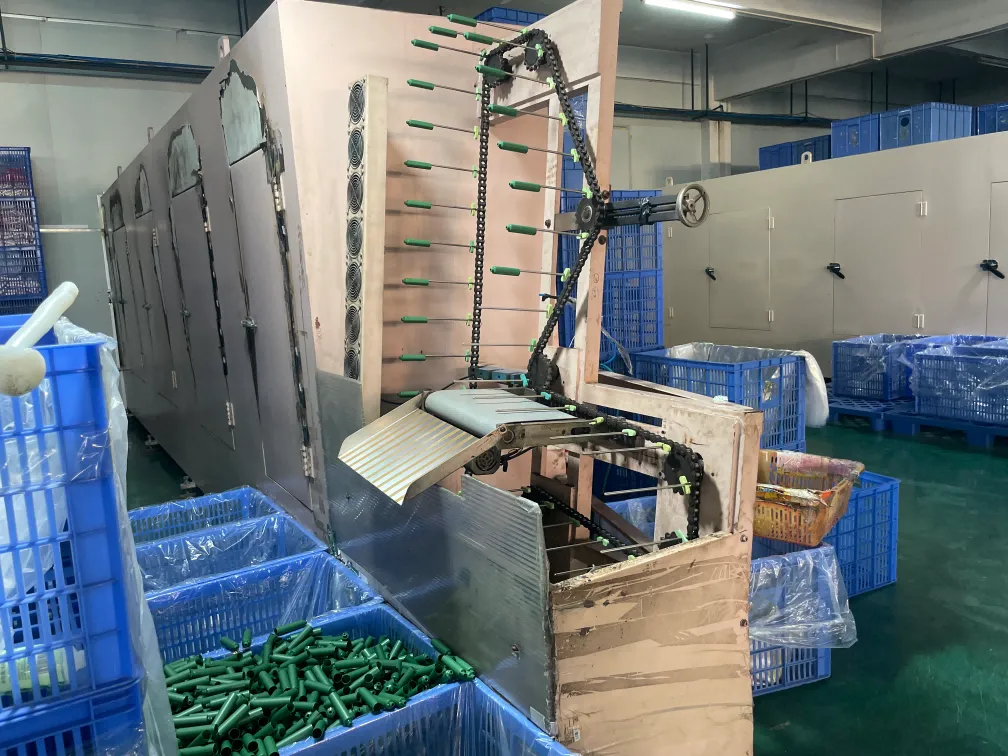
For brands, it's vital to ensure that the original tube design allows for easy transfer. This means considering the shape and opening of the original packaging to facilitate this process for consumers.
How to make liquid lipstick transfer proof?
To make liquid lipstick transfer proof, it’s essential to use specific formulations that enhance durability. Ingredients that promote adhesion and drying can significantly reduce transfer. Applying a setting spray can also help lock the product in place.
Using a long-wearing formula that dries completely creates a transfer-proof barrier. This is a significant selling point for customers seeking longevity in their products.
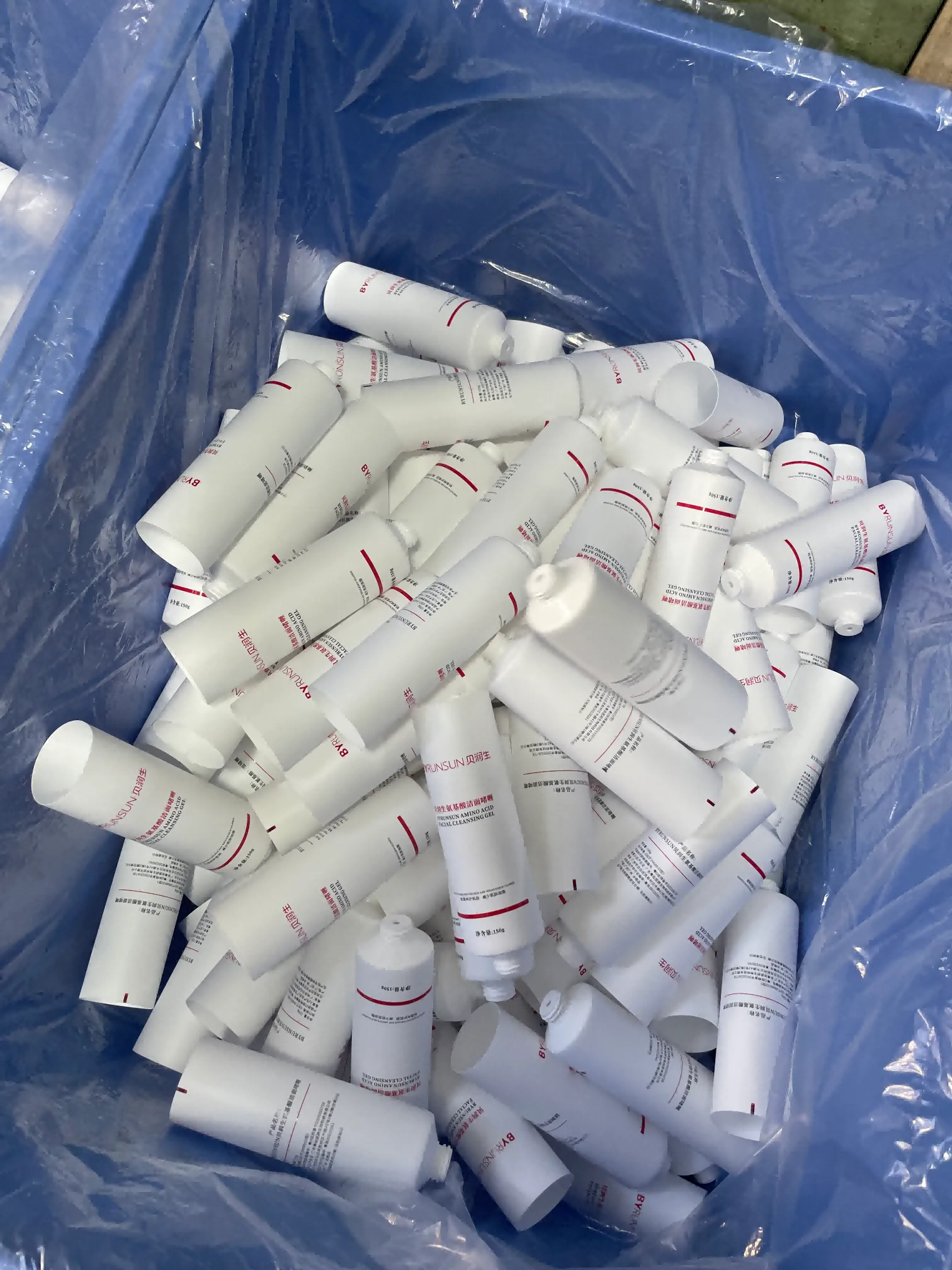
Brands must ensure that the packaging supports this transfer-proof feature. This includes designing the neck of the tube to minimize exposure and prevent air from entering, which can affect the product's performance.
How to put lipstick in a new tube?
To put lipstick into a new tube, first melt the original product if it's in solid form. This can be achieved using warm water or a microwave. Once melted, carefully pour it into the new tube. Allow it to cool and set before using.
Melting the lipstick ensures it can be poured easily into the new tube. This process should be done carefully to avoid burns or spills.
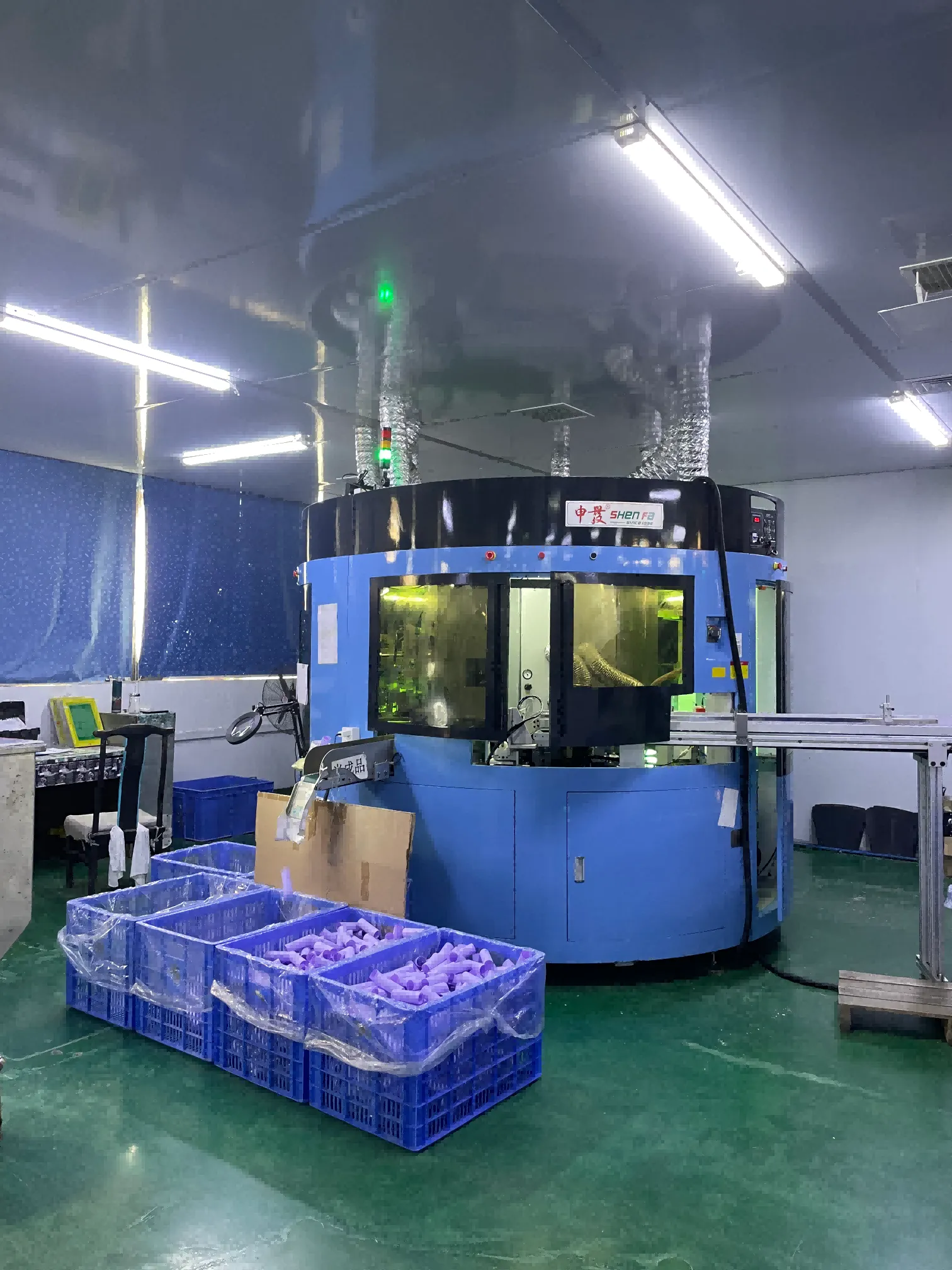
For manufacturers, a well-designed tube is essential for easy filling. The tube should be shaped in such a way that allows for smooth pouring and avoids product loss.
Conclusion
In conclusion, tube packaging solutions for matte liquid lipsticks must prioritize product stability, user experience, and production efficiency.




 English
  French
  Vietnamese
  Spanish
  German (Austria)
  German
  South Azerbaijani
  Japanese
  Italian
  Persian
  Russian
  Finnish