The sourcing of cosmetic tubes can make or break a brand's product stability and success. Understanding your options is crucial.
Cosmetic brands typically source tubes from factories directly, traders, or custom suppliers. Each option has its own impact on quality, cost, and reliability.
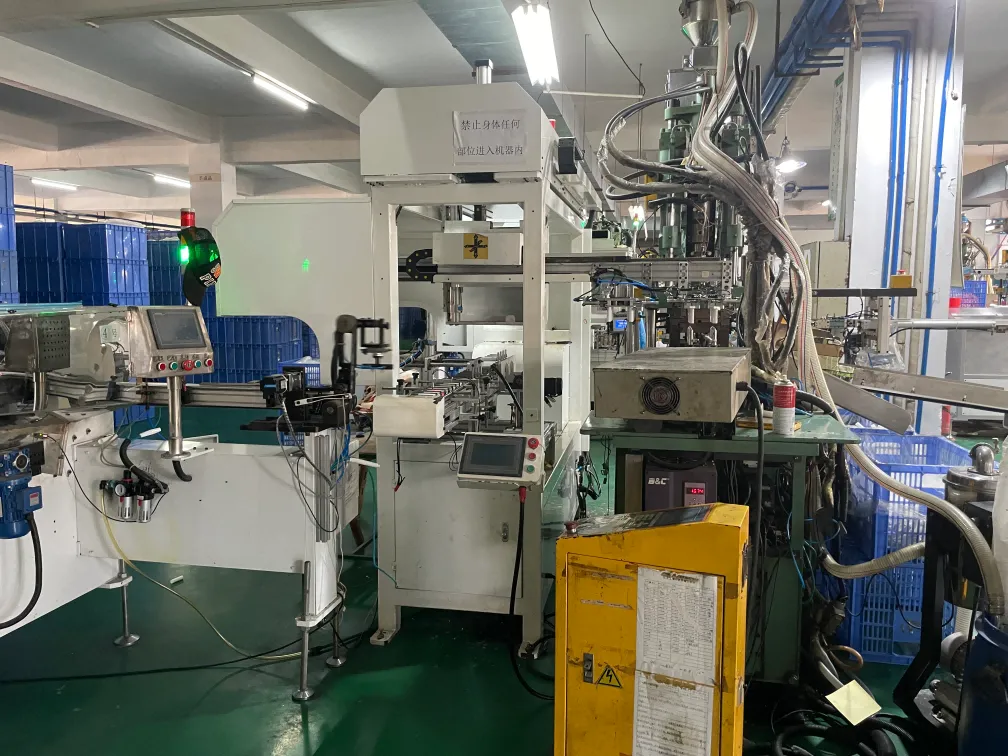
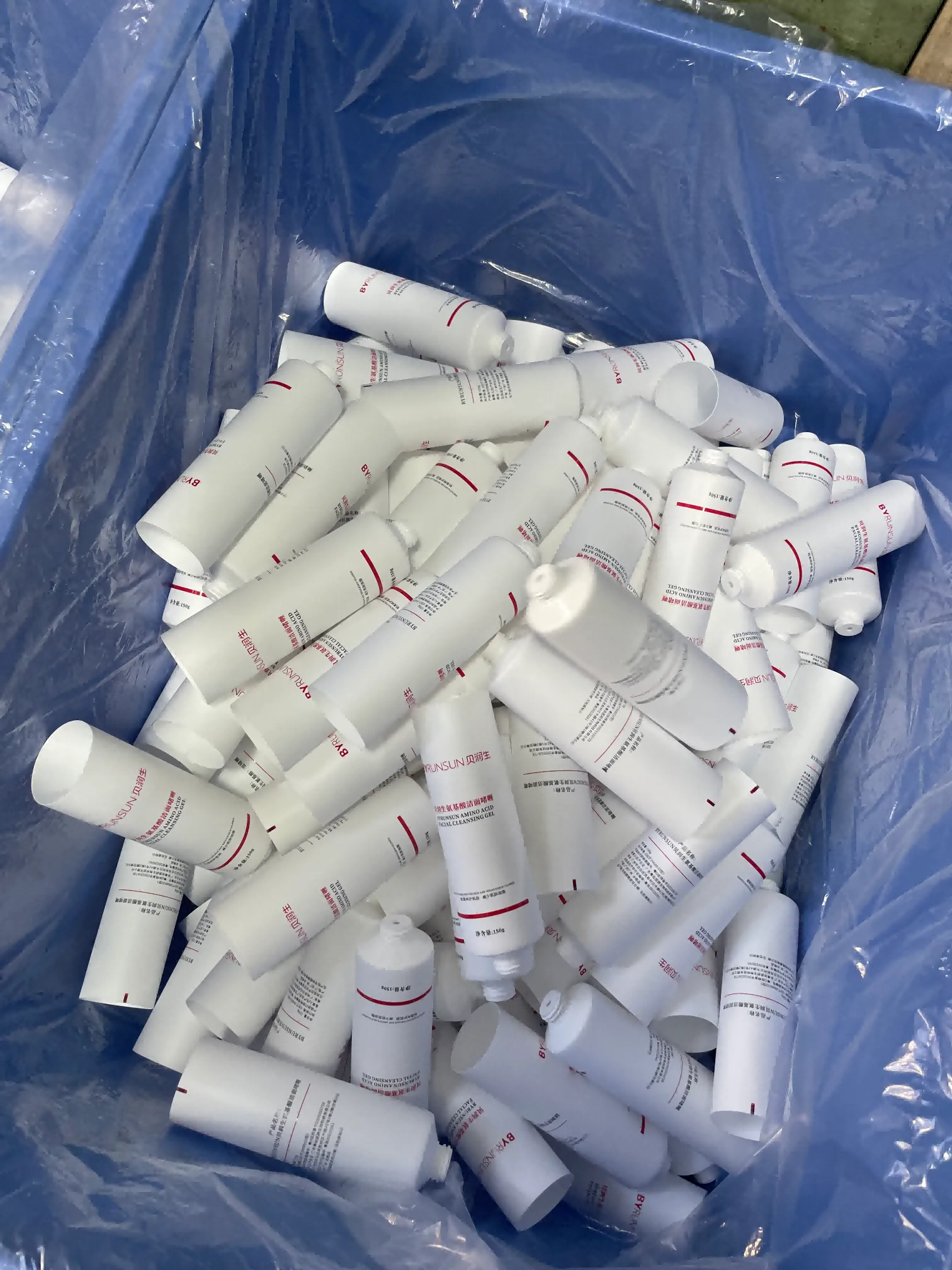
Sourcing decisions can dictate the future of cosmetic products. It's not just about the lowest price; it's about control, accountability, and quality assurance. A tube looks simple, but it sits right at the intersection of formula compatibility + filling efficiency + customer experience. If a tube leaks, deforms, prints poorly, or has inconsistent cap fit, the brand pays the price in rework, delays, and customer complaints.
In 2026, tube sourcing is even more complex because brands are pushing:
- More SKUs (multiple sizes, caps, finishes)
- Shorter lead times
- Sustainability claims (PCR, bio-based PE, reduced plastic)
- More strict compliance expectations across markets
That means the “best” sourcing channel is the one that gives you repeatable output and clear responsibility, not just a low quote.
What are the main ways cosmetic brands source tubes?
Most brands fall into one of these sourcing approaches:
1) Direct factory sourcing (recommended for bulk programs)
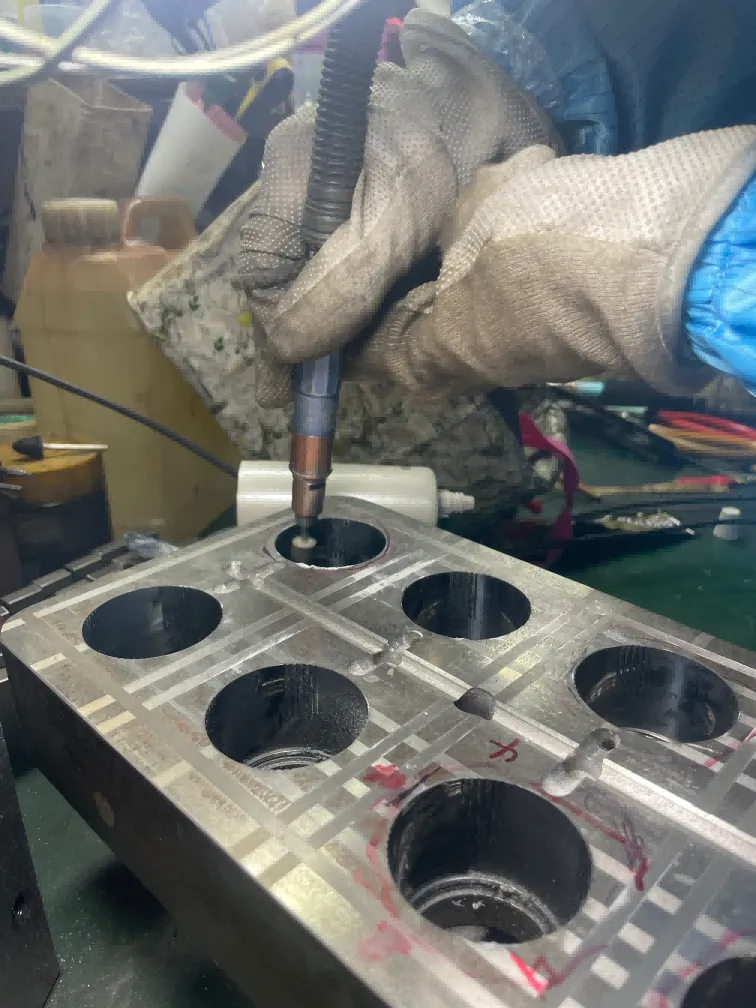
This is the most common path for brands that care about repeat orders, stable lead times, and technical support. With direct factories, you can lock down specs, confirm production routes, and ensure the same line and tooling produce your tubes consistently.
2) Traders and resellers (fast at the start, risky at scale)
Traders can be useful for very small volumes or early-stage sampling. But in bulk programs, problems often show up later: inconsistent quality across batches, unclear production ownership, delays during peak seasons, and weaker technical support.
3) Custom suppliers / packaging solution providers (good for design-heavy brands)
Some brands prefer custom packaging partners that bundle design, sourcing, decoration, and logistics. This can be helpful if you need complex decoration or multiple packaging types (tubes + bottles + jars). The risk is that you still need to confirm who controls production and how traceability is managed.
A simple rule of thumb:
If you plan to reorder the same tube structure every month or every quarter, direct factory sourcing tends to produce the lowest risk.
What should a brand evaluate before choosing a tube supplier?
Before picking any sourcing channel, brands should evaluate the factors that most strongly impact production stability:
1) Tube–formula compatibility
- Some formulas are high viscosity or contain oils/solvents that require more careful material selection.
- Compatibility issues don’t always appear in the first sample; they often show up after storage tests or real filling runs.
2) Filling line fit
- The tube shoulder, neck finish, and stiffness must match the filling machine’s clamping and sealing requirements.
- If tubes are too soft, speed drops. If dimensions vary, sealing and cap fit problems rise.
3) Printing/decoration stability
- Multi-color printing needs consistent registration and adhesion.
- If the brand sells premium skincare, printing rub-off is not acceptable.
4) Packing method for shipping
- Poor packing causes deformation during transport.
- Tubes can arrive “looking fine,” but become problematic during filling due to hidden deformation.
5) Documentation + compliance
- If your product is sold in regulated markets, you need a supplier that can provide consistent documentation and batch-level control.
These checks are why supplier selection matters more than price—because defects cost far more than small savings per unit.
Where do cosmetic companies get their ingredients?
Cosmetic companies usually source their ingredients from various suppliers, including specialty chemical manufacturers, raw material traders, and sometimes even farmers for organic components. Just like tube sourcing, ingredient sourcing involves strategic decisions that affect product efficacy and safety. Companies may choose suppliers based on quality certifications, reliability, or even sustainability practices. By establishing solid relationships with high-quality ingredient suppliers, brands can ensure the safety and effectiveness of their products.
When a brand sources ingredients from a reputable supplier, it boosts consumer confidence. Products with high-quality ingredients tend to show better performance, leading to higher customer satisfaction. Thus, cosmetic brands focus on building strong connections within their ingredient supply chains.
A useful comparison:
- Ingredient sourcing focuses on safety + performance
- Tube sourcing focuses on stability + user experience + supply reliability
Both need documentation, traceability, and consistent batch control.
Who manufactures beauty products?
Beauty products are manufactured by a mix of large multinational corporations, small niche brands, and contract manufacturers. Major players like L’Oréal, Estée Lauder, and P&G have established their manufacturing networks worldwide. Smaller brands often rely on contract manufacturers to scale their production without substantial overhead costs. These manufacturers usually provide expertise in formulation, packaging, and regulatory compliance.
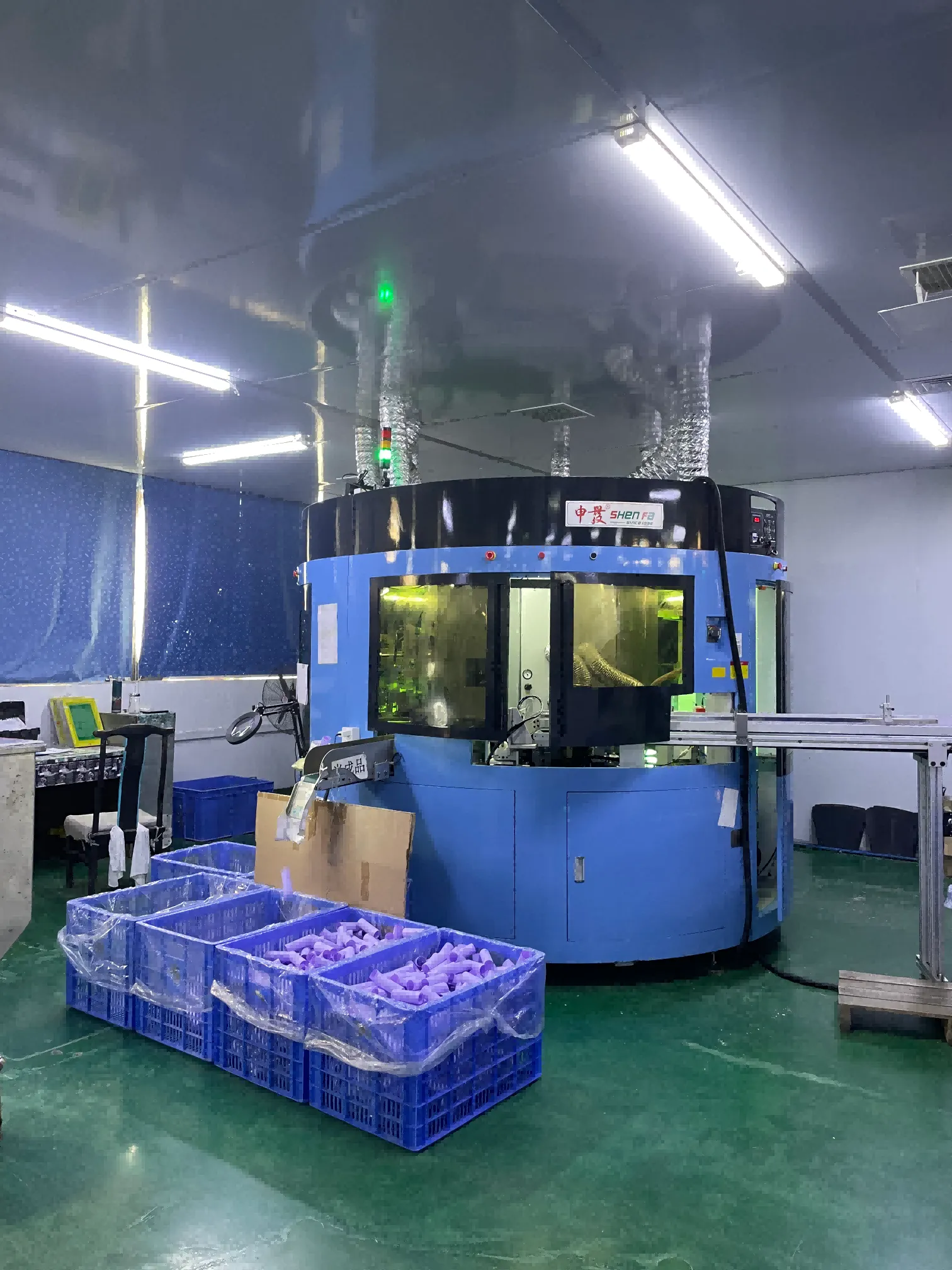
The choice of manufacturer can influence everything from product quality to pricing. Small brands might prioritize manufacturers that understand their unique vision while larger companies may look for efficiency and scalability. Regardless of the size, the manufacturer’s capabilities will significantly impact the end product.
For packaging, contract manufacturers often care about:
- whether the tube runs smoothly on their filling line
- whether the tube cap fit remains consistent over bulk orders
- whether the supplier can respond quickly to issues (seal defects, deformation, printing)
This is why CMOs often recommend direct factory tube sourcing—because it reduces “unknown variables” during production.
Who is the largest producer of cosmetics in the world?
L’Oréal stands as the largest producer of cosmetics globally. They have a diversified portfolio that includes skin care, hair care, makeup, and fragrance brands. Their extensive reach and strong market presence enable them to serve consumers in various demographics.
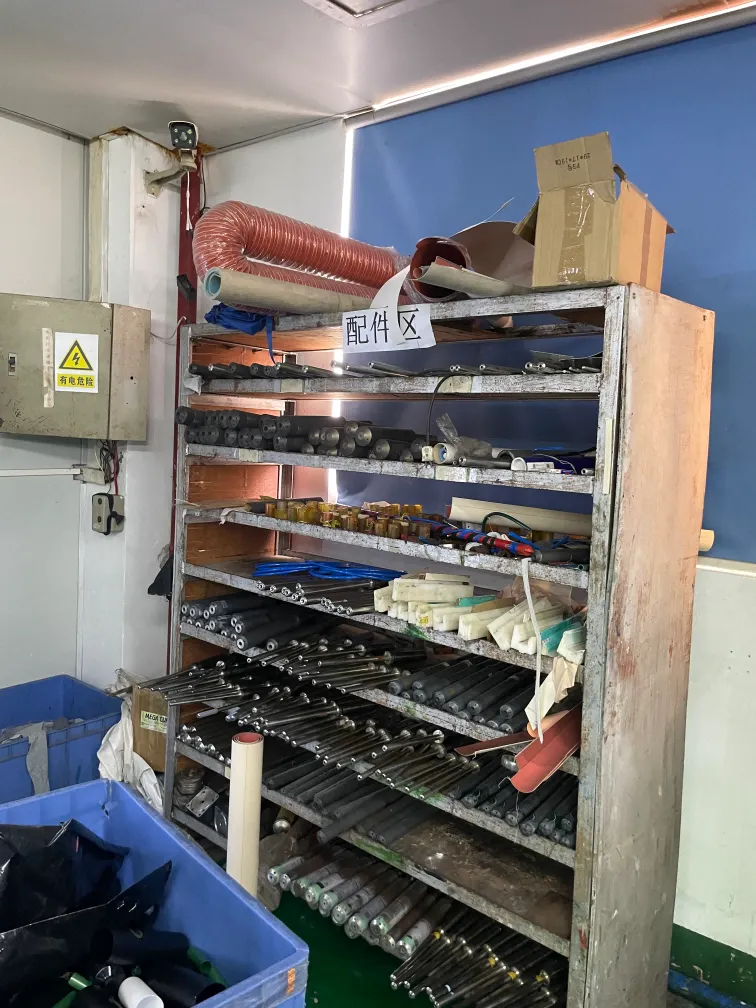
L’Oréal's success is largely due to their innovative products and effective marketing strategies. They consistently invest in research and development to stay ahead of trends. Their supply chain management is also exemplary, allowing them to maintain quality while scaling production.
Large groups also treat packaging as a controlled component:
- they lock specs early
- they require batch traceability
- they test packaging under transport and storage conditions
- they maintain backup suppliers for critical packaging items
Smaller brands can learn from this approach: the best sourcing strategy reduces uncertainty before mass production.
What is the 4 2 4 rule in skincare?
The 4 2 4 rule in skincare refers to a cleansing method that aims to balance skin health. The method involves four minutes of applying a cleansing oil or balm, followed by two minutes of using a gentle foaming cleanser, and finishing with four minutes of rinsing with lukewarm water. This thorough approach ensures that skin is clean without stripping its natural moisture.
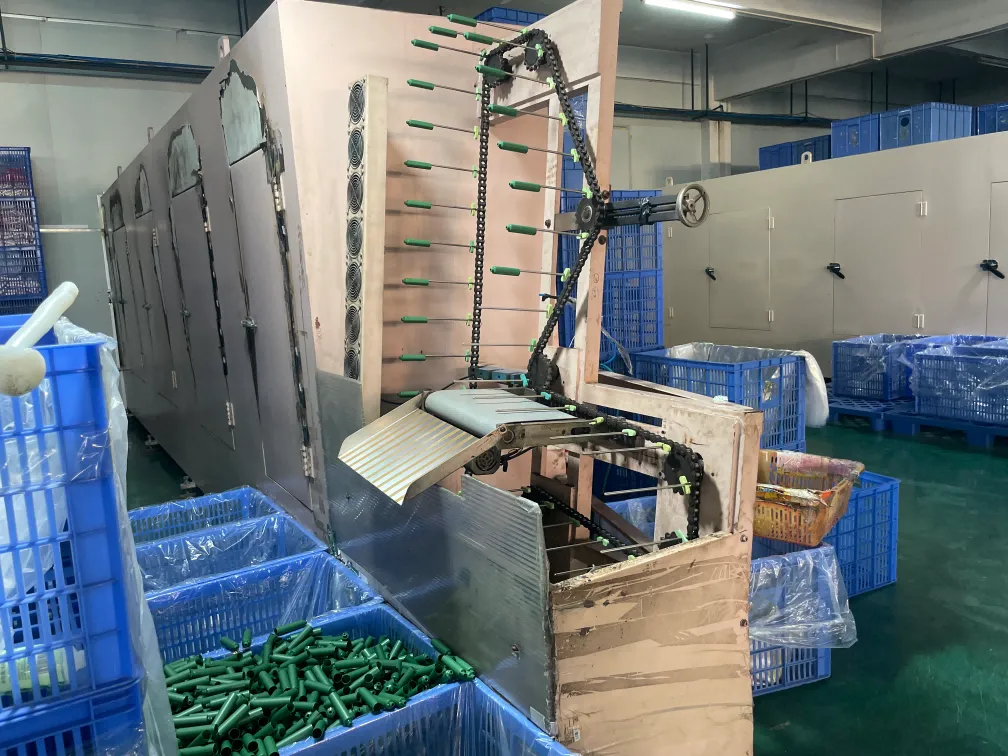
Many skincare enthusiasts swear by the 4 2 4 rule as it allows for a deeper cleanse while keeping the skin hydrated. By adhering to this method, users can effectively remove impurities and excess oil, leading to healthier skin over time.
From a packaging perspective, cleansing products often demand:
- stable squeeze behavior
- strong sealing (cleansers are often higher volume and shipped widely)
- durable caps and hinges for daily use
So even “skincare trends” connect back to packaging decisions.
Where does Dior manufacture their makeup?
Dior manufactures their makeup primarily in France, emphasizing their commitment to luxury and quality. Their products reflect a blend of innovation and tradition, crafted with the finest ingredients available.
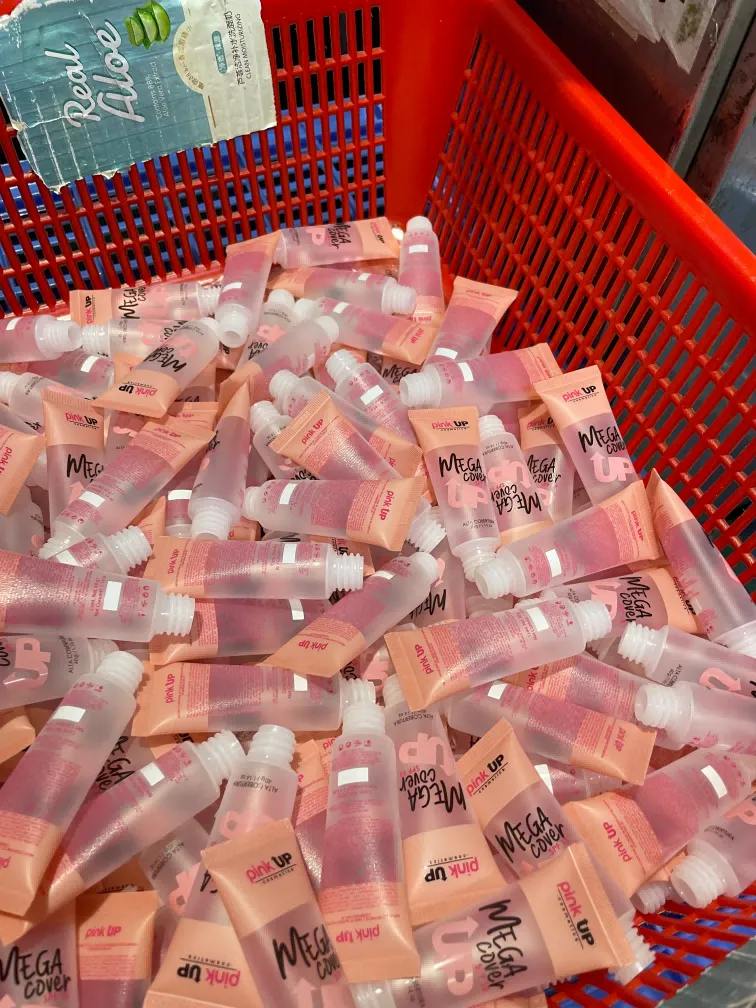
Dior’s choice of manufacturing location is a strategic one, as it allows them to maintain rigorous quality standards and uphold the brand’s storied heritage. By producing in France, they leverage skilled artisanship and high-end production techniques that enhance their reputation in the beauty industry.
Luxury brands also invest heavily in packaging feel:
- consistent surface finish
- premium printing quality
- clean sealing appearance
- cap fit with “tight but smooth” user experience
This is why they typically work with suppliers that can maintain strict process control.
What is the safest sourcing approach for tube buyers in 2026?
If you want a simple, low-risk path:
1) Start with your product reality
- formula viscosity, fill temperature, cap type, and target market requirements
2) Choose a supplier with production ownership
- factories that run extrusion/printing/QC in-house reduce uncertainty
3) Do a filling trial
- the best tube sample is the one that runs smoothly on the filling line
4) Lock specs + repeatability
- confirm tolerances, printing method, packing method, and traceability approach
5) Build partnership, not one-off buying
- stable programs win through fewer defects, not lower unit price
Conclusion
Ultimately, the sourcing of cosmetic tubes is a strategic decision that significantly influences product quality, consistency, and long-term success.
If a brand wants stable repeat orders, predictable lead times, and fast problem-solving, direct factory sourcing is usually the strongest option. Traders may help in early exploration, but long-term growth depends on suppliers that can deliver consistent quality, documentation, and technical support at scale.




 English
  French
  Vietnamese
  Spanish
  German (Austria)
  German
  South Azerbaijani
  Japanese
  Italian
  Persian
  Russian
  Finnish