
Buying cosmetic tubes in bulk can be a daunting task for brands and distributors. In 2026, the landscape has changed significantly.
When sourcing cosmetic tubes in bulk, consider reliability and long-term partnerships over just price. Quality, compliance, and supplier stability are the keys to successful sourcing.
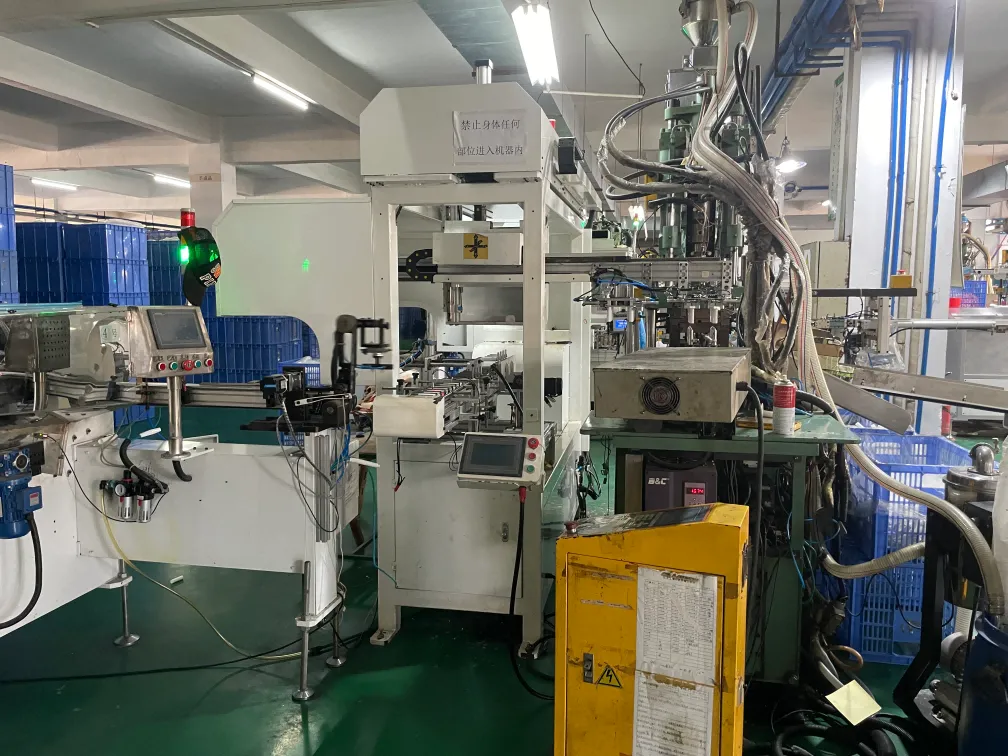
It’s crucial to understand the new dynamics of the market. The need for high-quality packaging has increased. Brands want to ensure their products are safe and appealing. As more regulations come into play, finding the right supplier becomes even more important.
In reality, bulk sourcing in 2026 is less like “buying plastic packaging” and more like managing a repeatable supply chain component. Cosmetic tubes touch multiple risk points at once: the tube body must be stable in extrusion; the shoulder and neck must match the filling line; the cap must fit consistently; printing must stay aligned across batches; and the packing method must protect shape during shipping.
If any of these fail, the cost is rarely limited to the tubes themselves. It becomes a production delay, a rework cost, a label/printing remake, or even a customer service problem once the product is already in the market. This is why serious buyers now evaluate suppliers the same way they evaluate long-term manufacturing partners—not just by unit price.
LOOP START
Why is Direct Factory Sourcing the Best Option?
Direct factory sourcing has emerged as the top choice for brands and distributors. It offers reliability and control over the entire production process.
Working directly with a manufacturer allows brands to ensure consistent quality and timely responses to any issues. This relationship reduces risks associated with material variations and production delays.
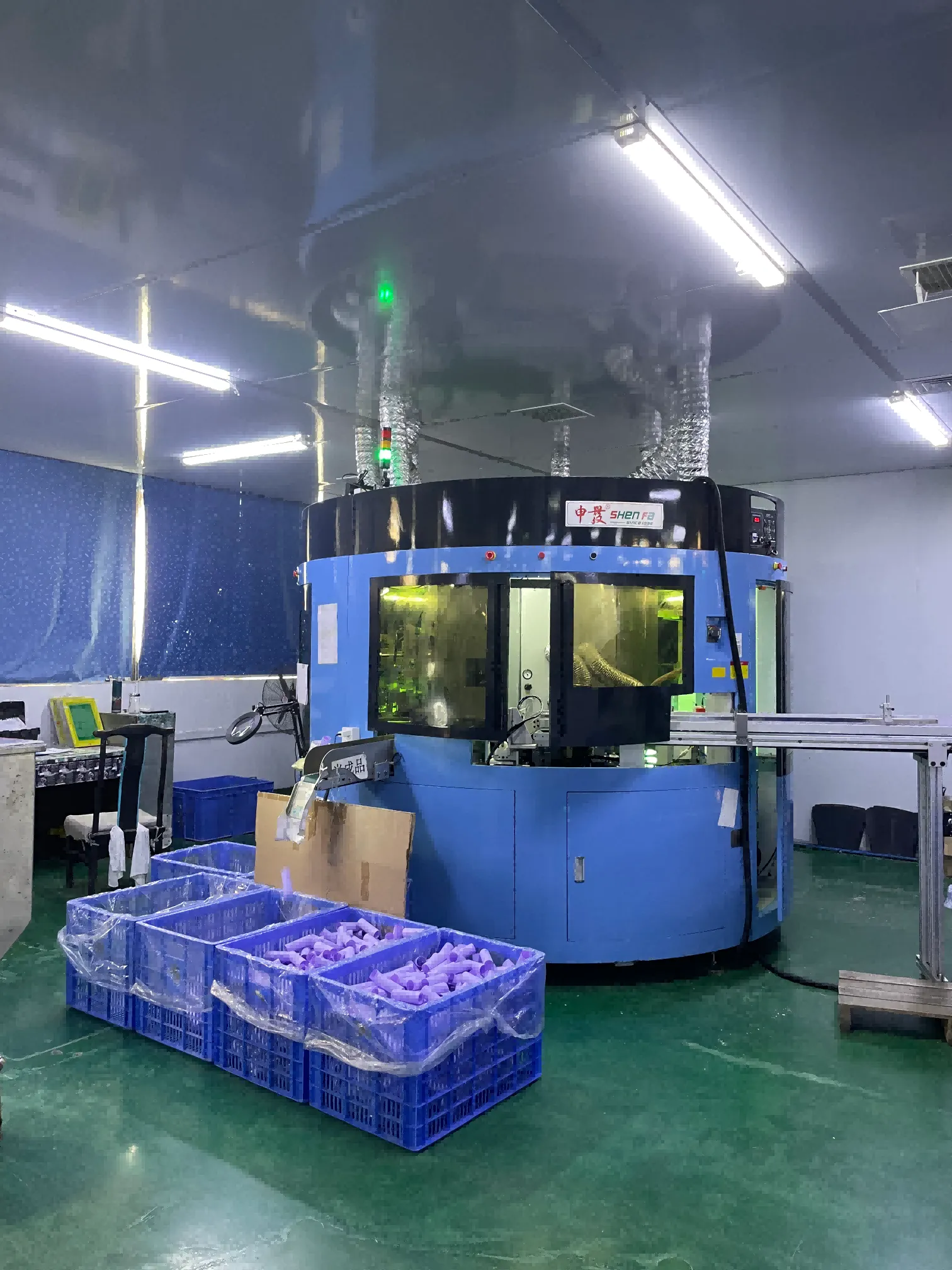
Many brands overlook the importance of this relationship. They might be tempted by traders or resellers. While these options can seem convenient, they often come with limitations. For instance, traders have less control over production schedules. This can lead to supply delays and inconsistent quality.
In bulk programs, even small variations can create significant problems. Factors like material sourcing and technical support are critical. When brands choose to partner directly with a factory, they gain access to these vital resources. They can rely on the manufacturer’s expertise to address challenges quickly.
Here’s what “control” looks like in practical terms:
- Spec stability: tube diameter tolerance, wall thickness, shoulder geometry, and cap fit can be controlled through stable molds, process parameters, and in-line inspection.
- Problem solving speed: if a tube leaks after filling or printing rubs off, the factory can trace it to the process step and propose a corrective action.
- Repeat order consistency: bulk programs are rarely “one-time orders.” A strong factory partner can keep the same process settings and QC method across repeat runs.
- Customization without chaos: many brands need multiple SKUs (different diameters, lengths, caps, finishes). Direct factories manage the complexity with clearer planning.
Another point buyers often ignore: traders can show you a sample, but they cannot guarantee the same production line will make your next order. In contrast, a factory relationship can lock down the manufacturing route—this is especially important if you plan to scale from trial orders into monthly shipments.
To illustrate, consider a brand that experiences a sudden increase in demand. If they have a direct relationship with a factory, they can better manage this spike. The factory can quickly adjust production lines and allocate resources to meet the new demand.
LOOP END
How to Ensure Capacity and Planning Reliability?
Capacity and planning reliability should be top priorities for bulk buyers.
Factories that have robust automation and multiple production lines are better equipped to handle forecast-based orders and unexpected volume increases.
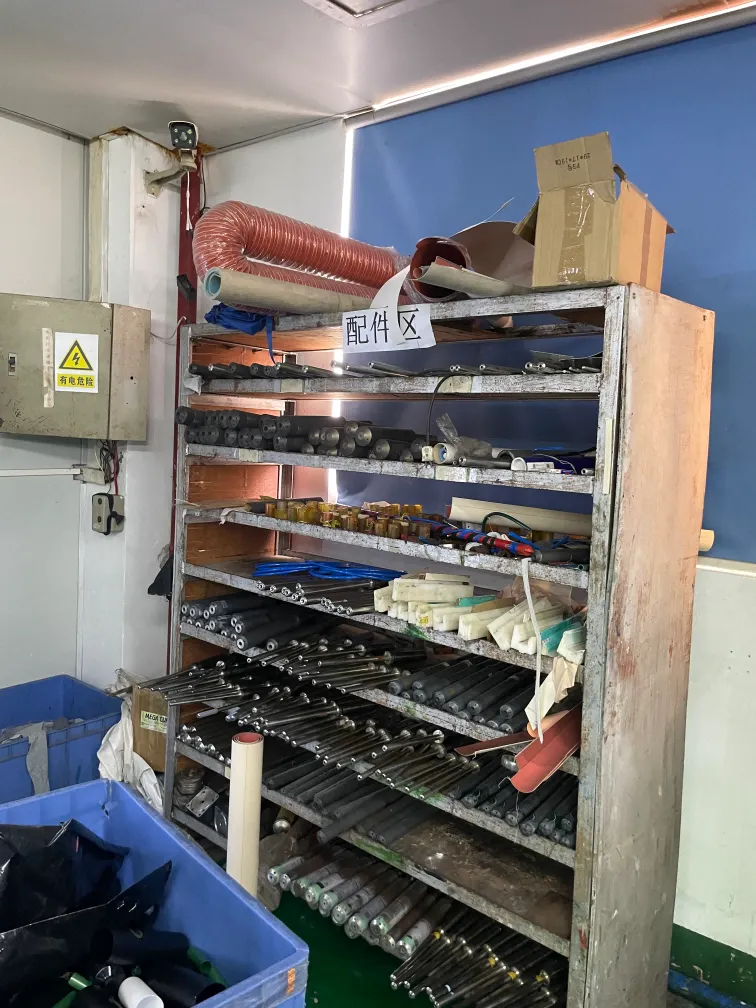
When looking for suppliers, it's essential to assess their operational capabilities. Factories that rely heavily on outsourced production can struggle during high-demand periods. This can lead to missed deadlines and unhappy customers. On the other hand, manufacturers with stable raw material sourcing will have an edge.
To evaluate planning reliability, buyers should look beyond “lead time” and ask how the supplier actually plans production. A reliable bulk supplier will be comfortable discussing:
- Line allocation logic: which machines run which tube diameters and cap types, and how they avoid bottlenecks.
- Peak-season strategy: what happens during promotional seasons or when multiple customers push urgent orders.
- Material security: whether resin sourcing and masterbatch supply are stable and consistent (this affects color and mechanical properties).
- Mold and spare parts readiness: whether the supplier has maintenance schedules and critical spare parts to reduce downtime.
Brands should also engage in open conversations with potential suppliers. Understanding their production capacities and limitations can help in making informed decisions. A factory's ability to scale operations efficiently is a vital consideration.
If you are running a long-term program, consider using simple forecasting collaboration. Even a basic rolling forecast (for example, next 8–12 weeks) allows the supplier to reserve capacity and reduce schedule conflicts. Buyers who provide no forecast tend to get treated as “spot orders,” which increases the risk of delay.
Additionally, having a clear communication channel with your supplier can significantly enhance collaboration. This ensures that both parties are aligned on expectations, production schedules, and any adjustments needed throughout the process.
What Quality & Compliance Checks Matter Most in 2026?
Bulk buyers often say “we need good quality,” but quality becomes meaningful only when it is tied to measurable checkpoints. In 2026, buyers should focus on three layers:
1) Process quality (factory control)
- wall thickness control
- shoulder/neck dimension stability
- cap fit stability
- printing alignment and adhesion stability
- sealing strength and leak risk control
2) Batch-level traceability (risk containment)
- batch ID mapping from resin → production run → finished cartons
- clear segregation when using PCR or special materials
- records that allow corrective actions when issues occur
3) Compliance documentation (market access)
- material declarations and compliance statements
- controlled QC records supporting “consistent production”
- alignment with your target market labeling and safety expectations
Even if your current market has light regulation, building with a compliance-ready supplier reduces switching costs later. It also supports your brand’s sustainability or quality claims with evidence—this matters when you sell into retailers or professional distributors.
How to Reduce Hidden Costs in Bulk Tube Programs?
Bulk sourcing failures rarely show up as “tube cost too high.” They show up as hidden costs:
- filling line downtime due to unstable neck or cap fit
- scrap and rework when printing is misaligned or color shifts
- returns and complaints when tubes deform in shipping or leak after filling
- missed launch dates when lead time slips during peak season
To reduce these risks, you can structure your supplier evaluation around repeatability:
- request a second sample after a small process adjustment (tests responsiveness)
- confirm packing method (carton strength, inner bag, layer protection)
- confirm how they handle color matching and repeat order control
- confirm how they manage mold maintenance and dimensional checks
Conclusion
In 2026, the best place to buy cosmetic tubes in bulk is from a factory that offers clear production responsibilities and accessible technical support.
A strong supplier is not just the one who quotes fast—it is the one who can support repeat orders with stable quality, predictable planning, and documentation that protects your brand. If you treat the factory as a long-term partner and align on specs, forecasts, and QC checkpoints early, you can scale your tube program with far lower risk.




 English
  French
  Vietnamese
  Spanish
  German (Austria)
  German
  South Azerbaijani
  Japanese
  Italian
  Persian
  Russian
  Finnish