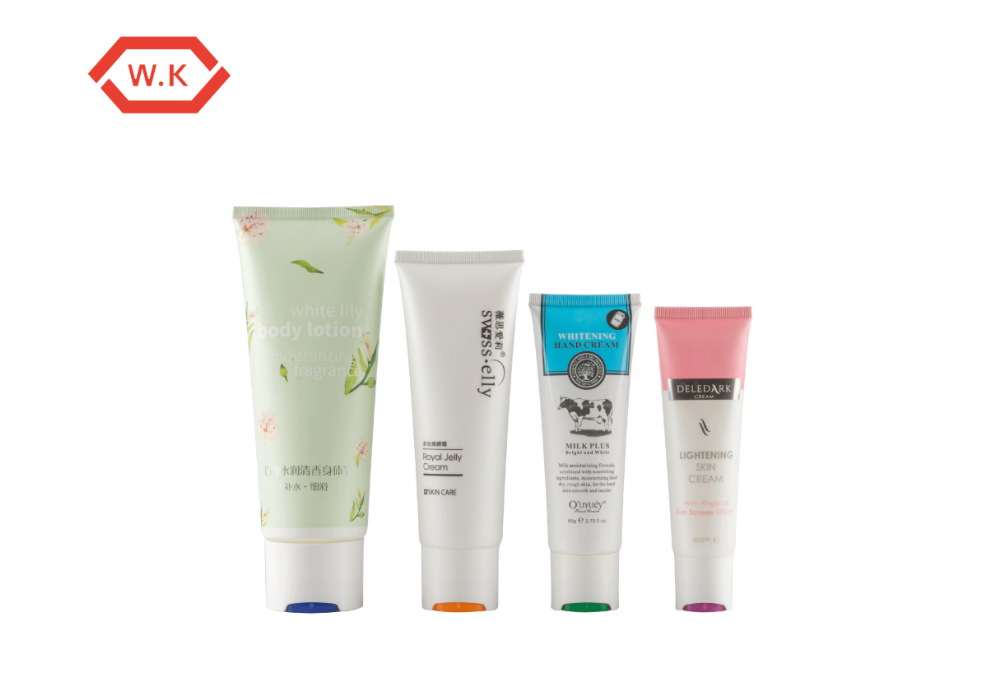
Buying PCR cosmetic tubes in bulk can be tricky. Many factors come into play, especially when it comes to ensuring quality and compliance.
When looking to purchase PCR cosmetic tubes, understanding material proof, traceability, and compliance is crucial. Manufacturers must provide the necessary verification documents to ensure quality and safety.
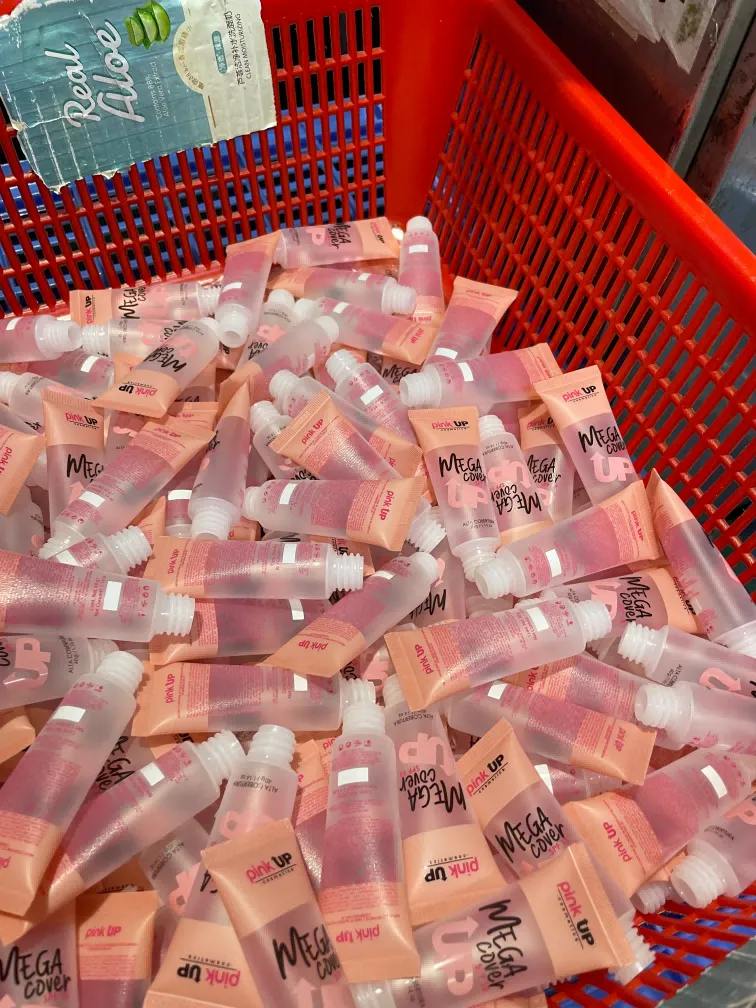
Manufacturers often face challenges when sourcing PCR materials. As a factory owner, I know firsthand how vital it is to manage risks effectively. Buying PCR cosmetic tubes is less about finding the best price and more about understanding and mitigating potential risks. The introduction of PCR materials brings added complexity into the production process, making thorough checks on material proof, traceability, and compliance essential.
What is Material Proof and Why is it Important?
Material proof refers to the documentation showing that the PCR content in the tubes is genuine. Unlike traditional plastics, PCR materials do not reveal their recycled nature through visual traits like color or texture. Therefore, it is critical to have credible documentation from upstream suppliers. This includes PCR percentage declarations and compliance statements that align with recognized standards.
Failing to secure these documents means any claims surrounding PCR content are merely marketing statements without backing. For manufacturers, this can lead to significant issues down the line, including product recalls or reputational damage. The importance of this process cannot be overstated. The absence of proper material proof can turn a seemingly good purchase into an operational nightmare.
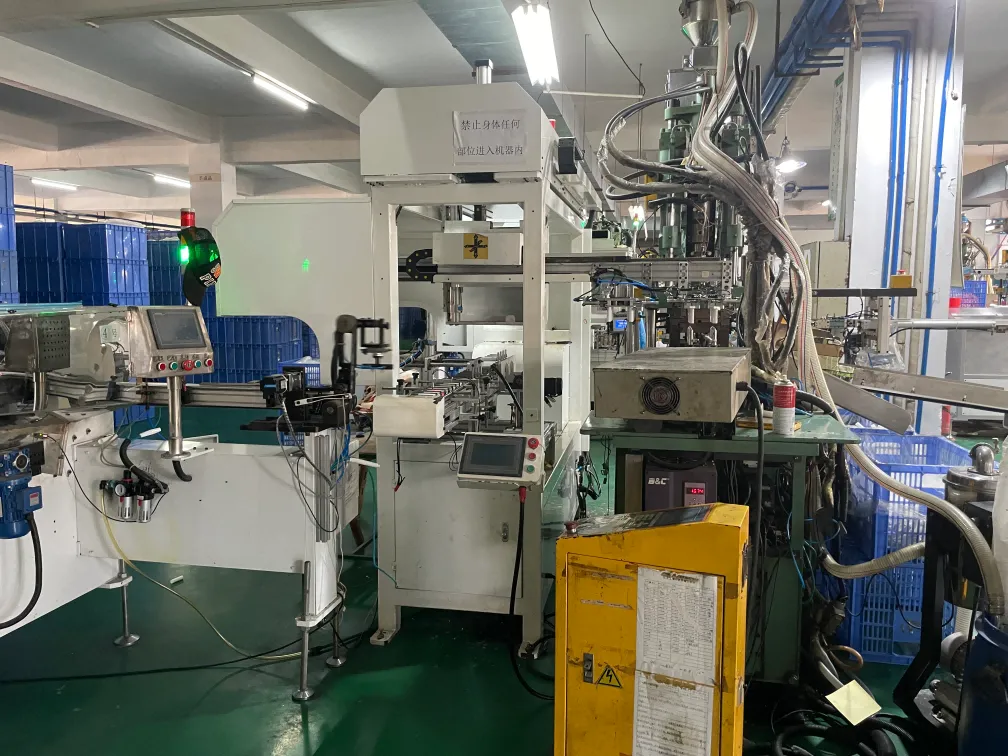
The industry must prioritize rigorous material proof checks to prevent these risks. This means not only obtaining the right documents but also ensuring that they are regularly updated and verified against the latest standards in material safety.
How Does Traceability Affect Bulk Orders?
Traceability is another critical element in the process of sourcing PCR cosmetic tubes. True traceability allows manufacturers to link finished products back to specific material batches. This capability ensures that any issues can be traced back to their source, allowing for immediate corrective actions.
In my experience, many bulk PCR projects fall short on traceability. This often stems from a lack of controlled material segregation and insufficient batch-level production records. When PCR resin is obtained without a clear plan or is blended inconsistently, variations in mechanical properties and color can arise. These inconsistencies can lead to filling challenges and quality complaints.
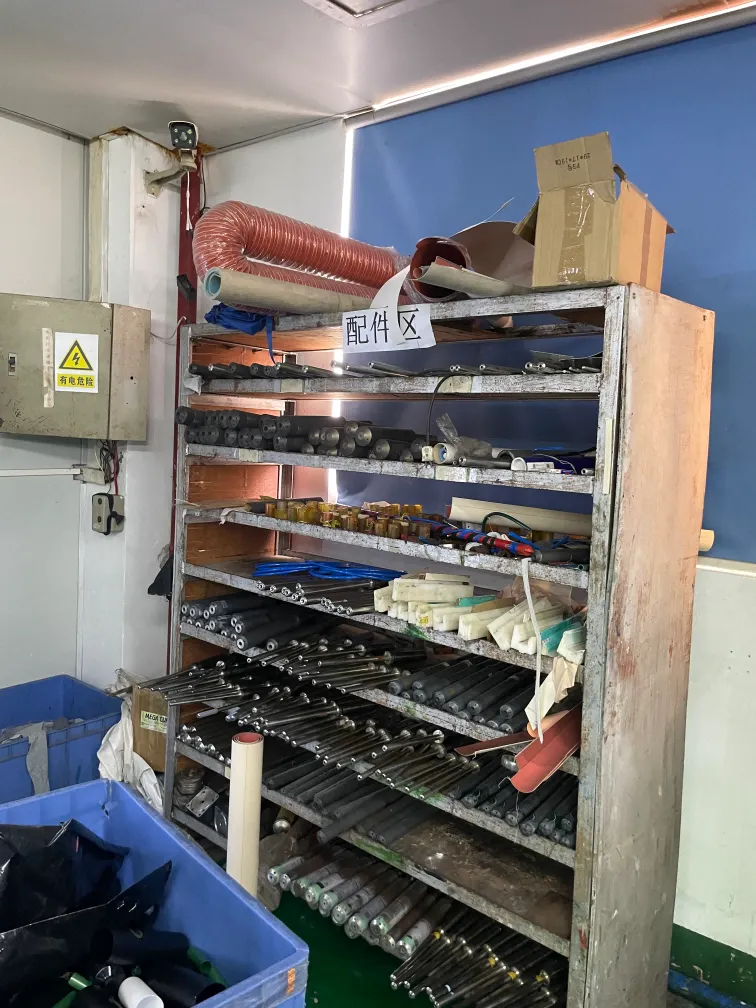
To ensure effective traceability, factories need to maintain consistent relationships with suppliers. By using controlled batching and proper documentation, any potential issues can be addressed swiftly. This approach not only stabilizes production but also builds trust with clients who depend on the reliability of the products they are purchasing.
Why Compliance is a Critical Factor
Finally, compliance adds another layer of complexity to the sourcing of PCR cosmetic tubes. Different markets have varying requirements regarding the use of PCR materials, labeling, and chemical safety. It is vital for factories to ensure that their recycled materials comply with cosmetic packaging regulations, particularly regarding contaminants and migration properties.
Compliance is not a one-time check; it constitutes an ongoing responsibility that is tightly linked to material sourcing and production control. Factories must be diligent in their compliance efforts to prevent any issues that could arise from non-compliance.
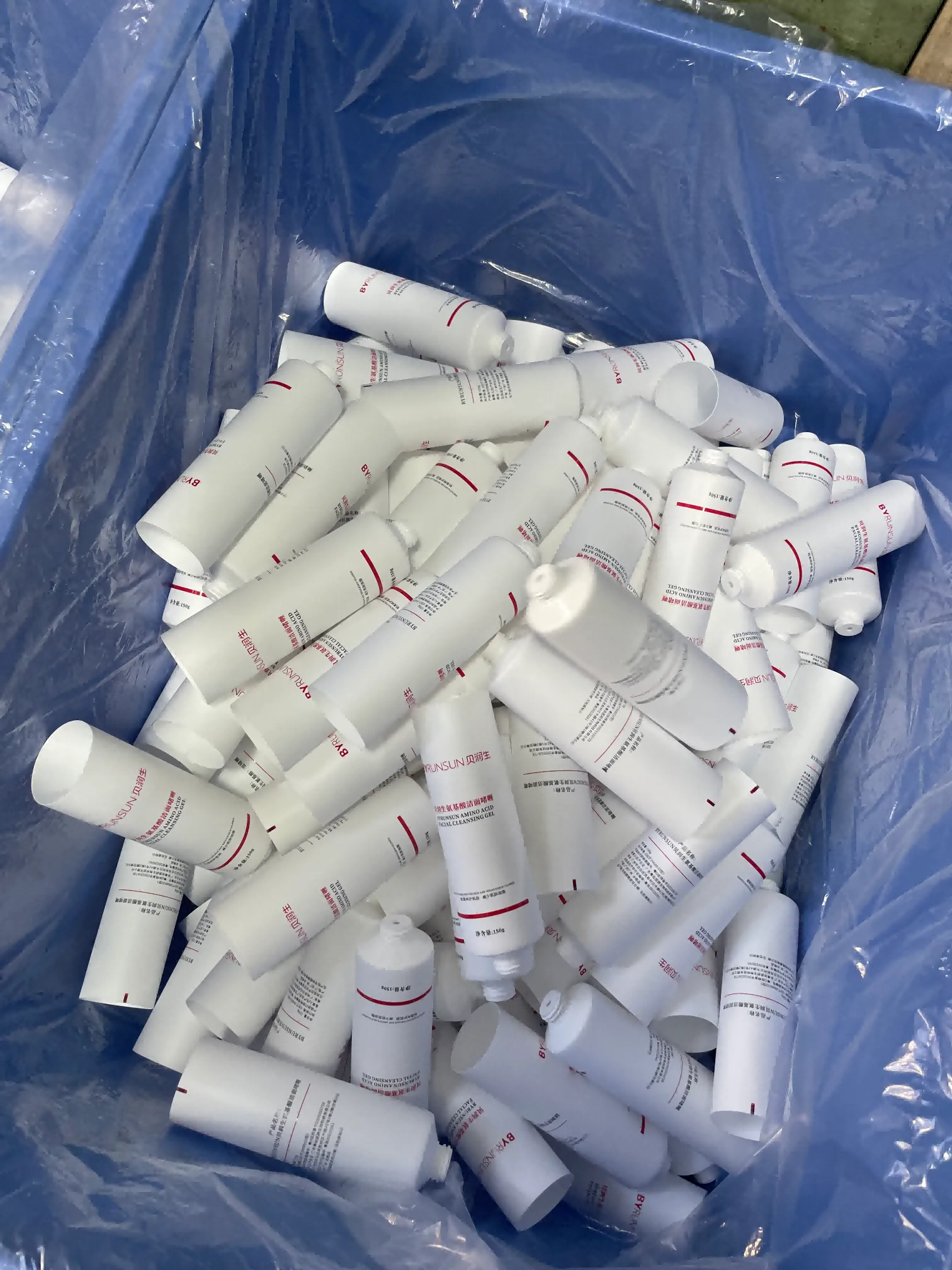
In my opinion, the safest way to procure PCR cosmetic tubes in bulk is to work with manufacturers who effectively manage both material procurement and production in-house. Suppliers who lack direct control over PCR resin sourcing tend to struggle with maintaining consistent quality for large or repeat orders. This inconsistency often becomes more noticeable in smaller-diameter tubes or more technically demanding formats.
Conclusion
To summarize, buying PCR cosmetic tubes in bulk requires careful consideration of material proof, traceability, and compliance. By prioritizing these factors, manufacturers can reduce risks and ensure quality in their products.




 English
  French
  Vietnamese
  Spanish
  German (Austria)
  German
  South Azerbaijani
  Japanese
  Italian
  Persian
  Russian
  Finnish