
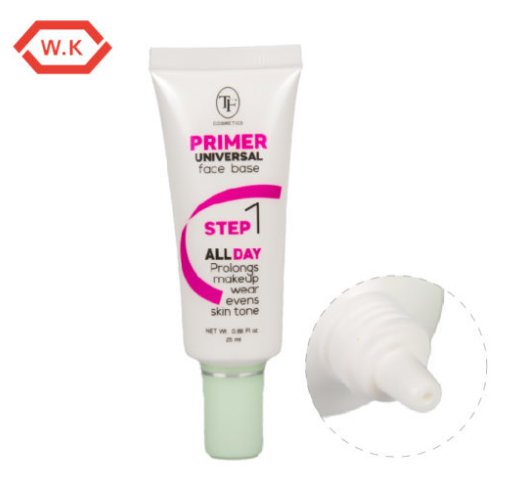
The rise of eco-friendly products has led many brands to seek sugarcane-based cosmetic tubes. But how do you ensure you’re sourcing the right materials?
To successfully source sugarcane cosmetic tubes, buyers should prioritize suppliers who can provide clear certification of bio-based content and material sourcing. This ensures products meet sustainability claims and regulatory standards.
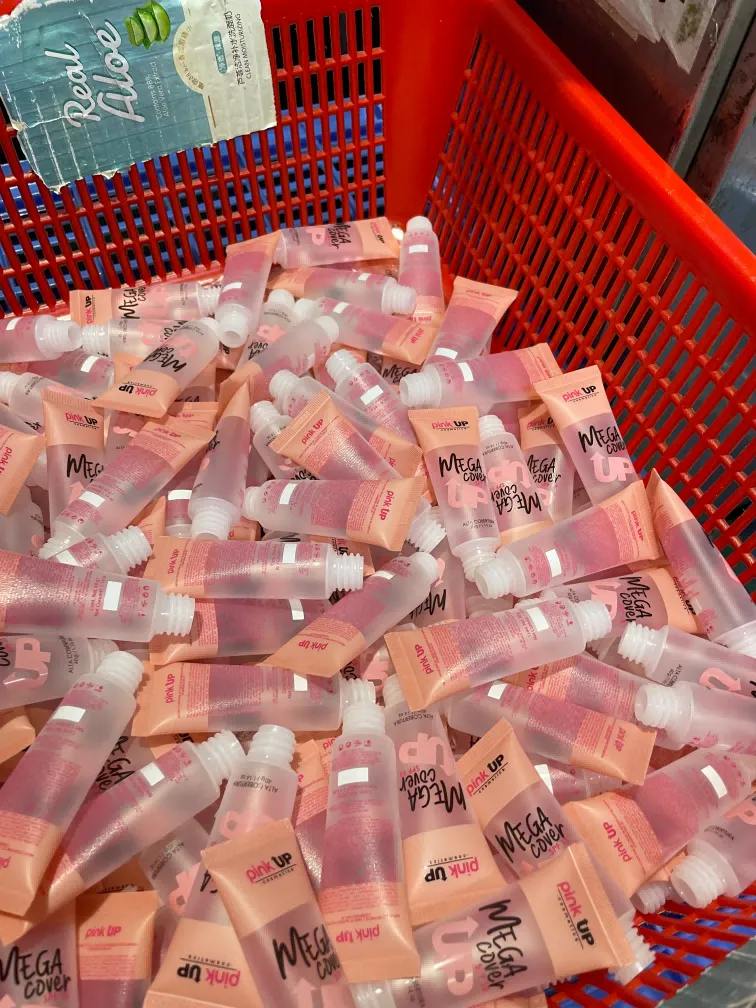
From my experience in the manufacturing sector, I've come to realize that sourcing sugarcane-based cosmetic tubes is often misunderstood. Many people think it’s as simple as replacing one material with another. However, the reality is that bio-based PE (polyethylene) behaves very similarly to conventional PE in the production process. The key difference lies in the sustainability claims, which depend heavily on certification and proper documentation rather than the tubes themselves.
Certifications Buyers Should Be Aware Of?
Sourcing sugarcane PE requires a significant understanding of the material. The most crucial aspect is distinguishing bio-based content from recycled content. Sugarcane PE is a renewable material, whereas PCR (post-consumer recycled) content is different. Buyers should ensure that suppliers clearly state the bio-based percentage of the material used. This should be supported by third-party certifications, as ambiguity can lead to confusion in regulated markets.
Buyers must verify the bio-based percentage and material source with third-party certifications. This ensures the product’s environmental claims hold water in regulatory contexts.
Thinking deeper about certifications, it’s important to note that bio-based content cannot be visually verified. Manufacturers depend on upstream material certifications like mass balance or content verification systems to support their claims. When factories source certified bio-based resin, they can provide documentation that links the finished tubes to verified material streams. On the contrary, suppliers who lack this documentation often rely on marketing language, which can be misleading.
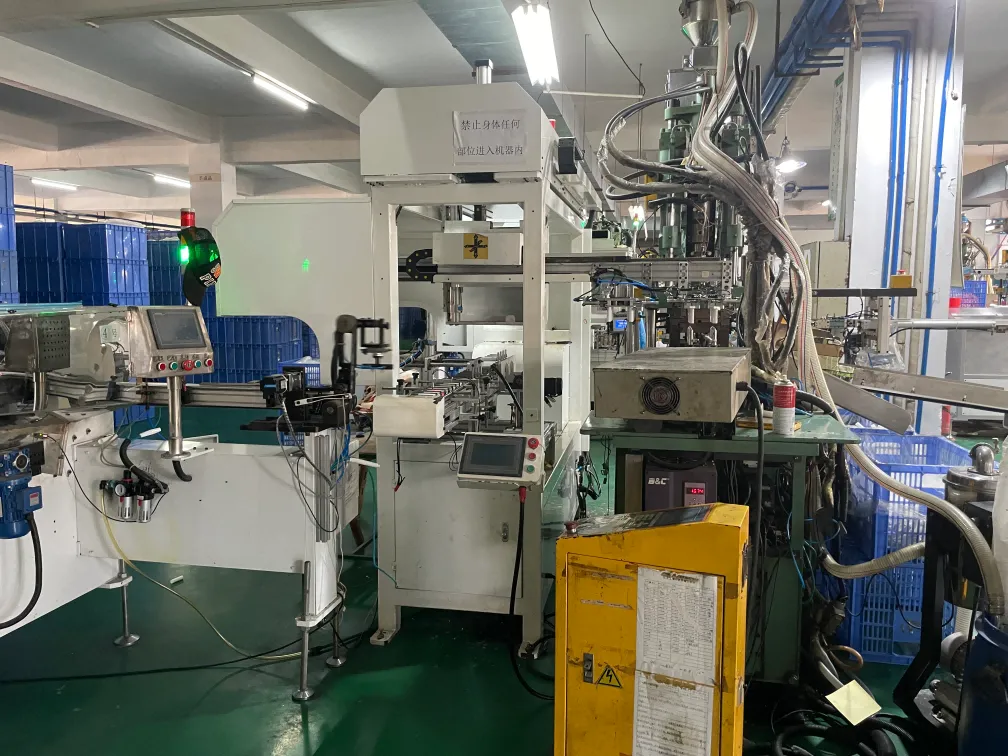
When we delve into production, sugarcane PE generally integrates seamlessly into existing PE tube lines. This characteristic makes it appealing for brands that want to adopt lower carbon footprint packaging without redesigning their product structures. However, a pivotal aspect is the maintenance of certification continuity across all production batches. If there is a change in sourcing bio-based resin, it can jeopardize the validity of certifications, even if the tubes appear unchanged.
Compliance Risks When Sourcing
Compliance is another critical factor when sourcing sugarcane materials. Even with bio-based materials, they must adhere to cosmetic packaging safety standards. This includes checks for chemical migration and contaminant controls. Factories that treat sugarcane PE as a drop-in replacement without a thorough regulatory review put brands at risk. Verified suppliers, on the other hand, incorporate certification and compliance into their production processes from the beginning, rather than treating them as an afterthought.
Ensuring compliance with cosmetic packaging safety standards is essential to mitigate risks. Verified suppliers integrate these standards throughout their production processes.
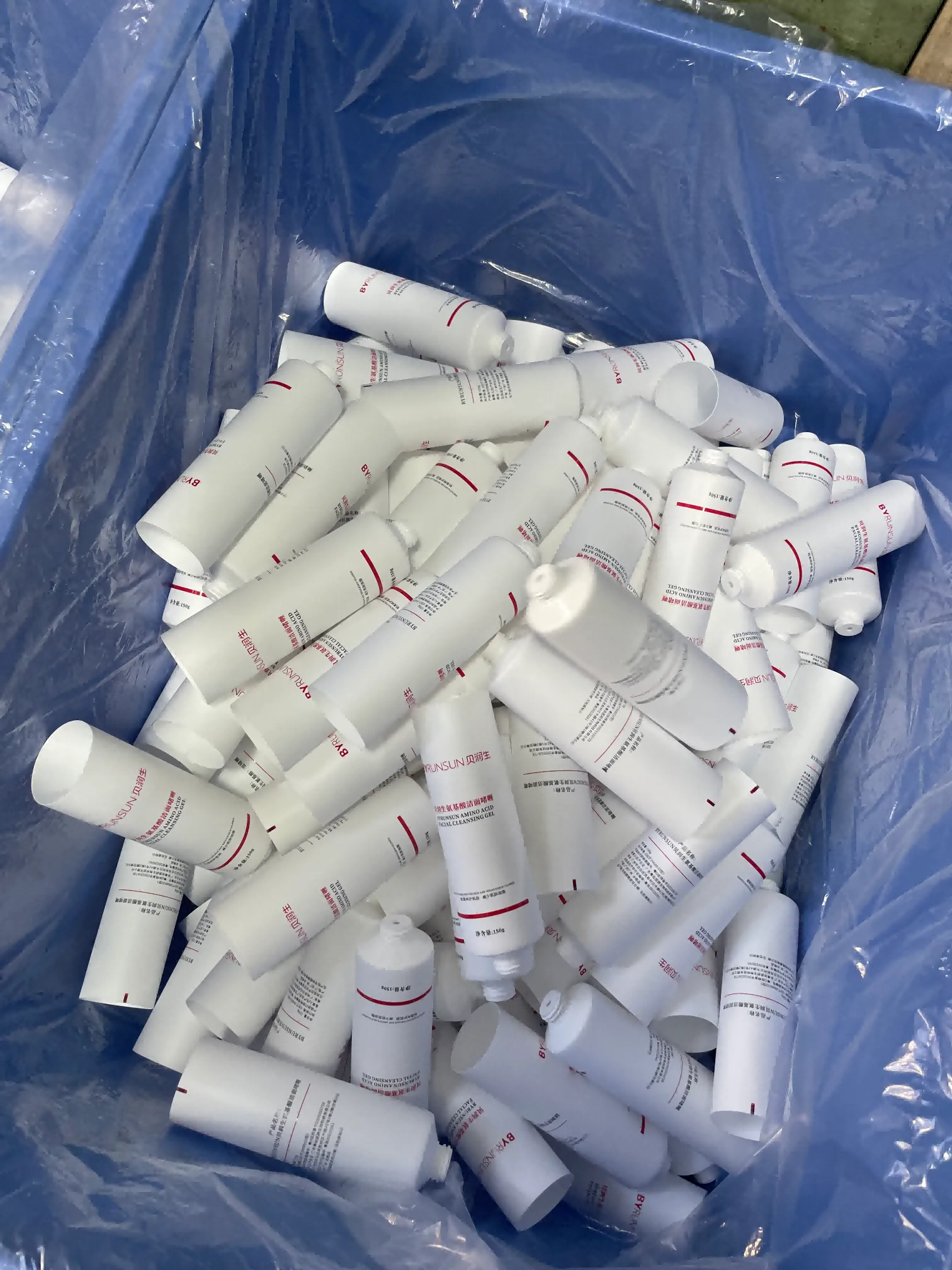
In my perspective as a manufacturer, the best way to ensure that you’re buying sugarcane cosmetic tubes is to partner with factories that prioritize certified material sourcing. It’s vital to maintain clear documentation throughout production. Certifications are not merely an optional add-on; they are the bedrock of any credible bio-based packaging claim. By focusing on suppliers who provide these assurances, buyers can confidently navigate the complex landscape of eco-friendly packaging.
Conclusion
In summary, prioritize certification and compliance when sourcing sugarcane cosmetic tubes to ensure sustainability claims are valid and reliable.




 English
  French
  Vietnamese
  Spanish
  German (Austria)
  German
  South Azerbaijani
  Japanese
  Italian
  Persian
  Russian
  Finnish