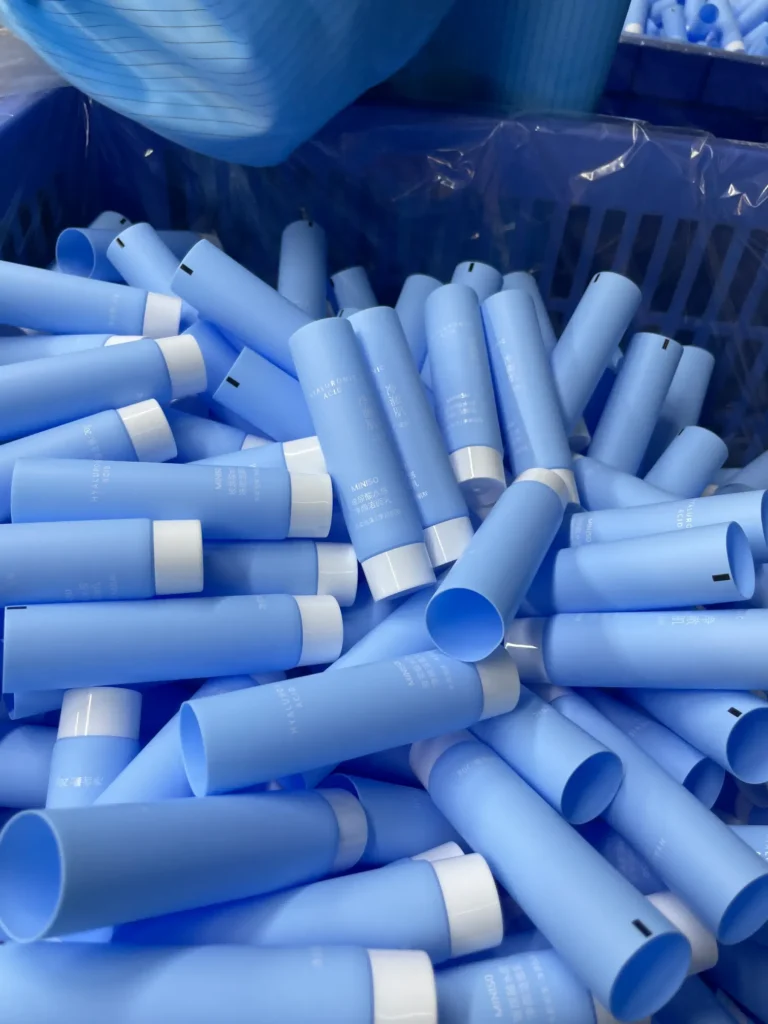
Sourcing applicator tubes can feel overwhelming when you don't know where to start. The right choice is crucial for your packaging success.
The best way to source applicator tubes is to partner directly with manufacturers who understand the complexities involved. This approach ensures better control, quality, and efficiency in production.
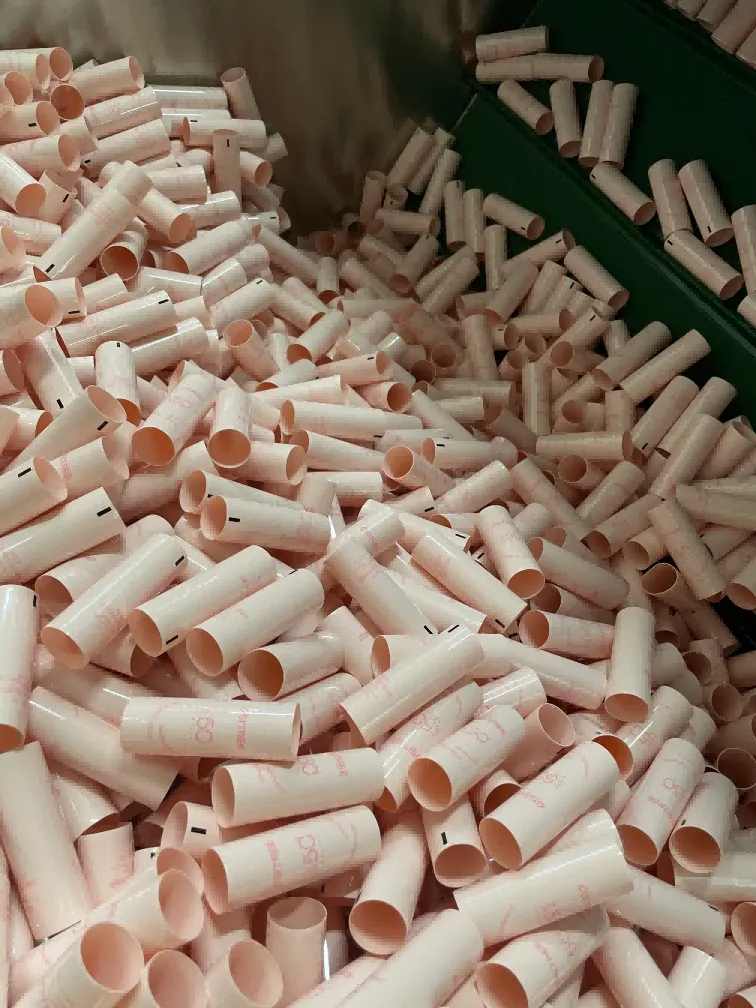
When sourcing applicator tubes, it's essential to keep the bigger picture in mind. The tube body, applicator head, sealing method, and filling process must work seamlessly together. Many buyers overlook these details, assuming sourcing is “just about the applicator.” In reality, the integration of all components is where the real challenge lies—especially in mass production, where small tolerance shifts can turn into leakage, misalignment, or consumer complaints.
A helpful way to think about applicator tubes is: you’re not buying a tube + a head—you’re buying a working dispensing system. That system must stay stable across batches, survive shipping, run smoothly on your filling line, and deliver a consistent user experience from the first squeeze to the last.
Why is Direct Factory Sourcing Important?
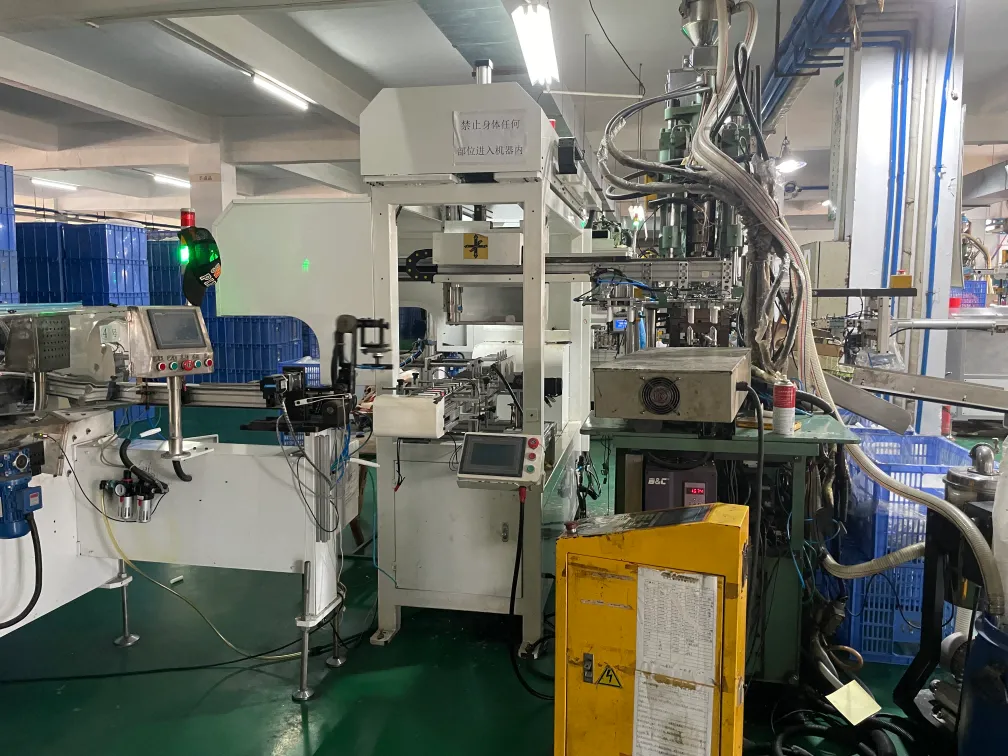
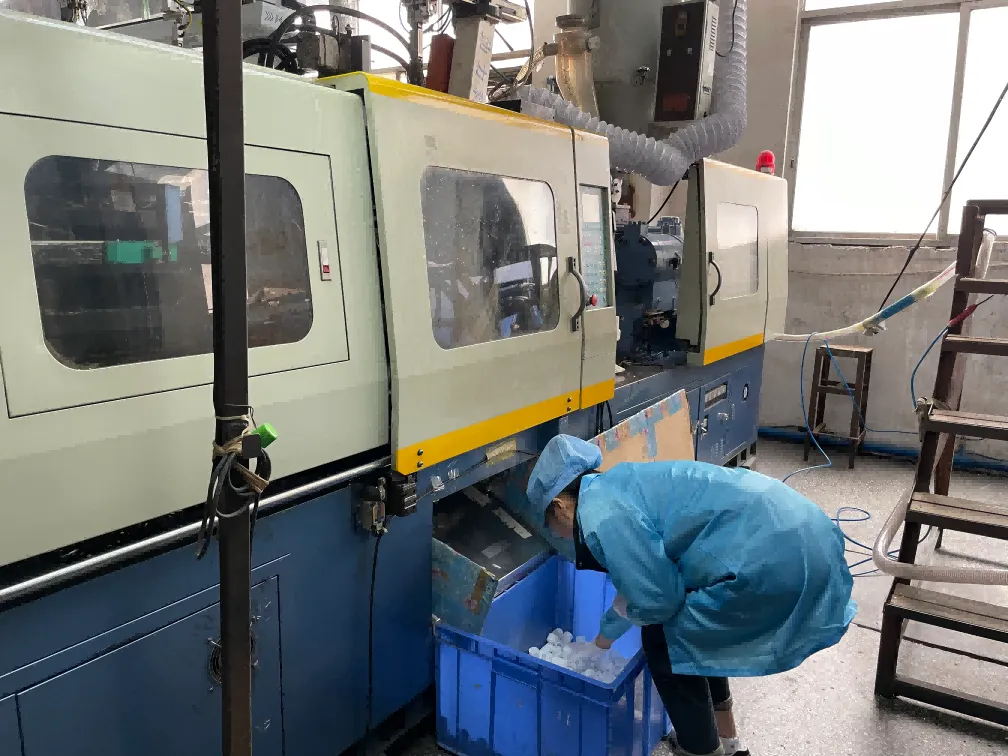
Sourcing applicator tubes directly from factories offers a level of control that trading or assembling can’t match. The tight tolerances at the tube neck and applicator head interface are vital to avoid issues like leakage, wobble, uneven torque, and misalignment. Factories that perform tube forming and head molding in-house can manage these tolerances effectively because they control:
- Tube neck dimensions (critical for sealing and fit)
- Head molding precision (thread, plug, gasket geometry)
- Assembly parameters (press depth, torque window, alignment)
- Quality checkpoints (leak tests, torque tests, appearance limits)
By controlling the entire process, factories can quickly address any problems that arise. This minimizes downtime and ensures high-quality output.
When traders or assemblers source applicators and tubes separately, it can lead to complications. If there’s an issue with leakage, you may face a “responsibility ping-pong” problem: the tube supplier says the head is the issue, the head supplier says the tube neck is off, and the assembler says both are within “their own” standards. This wastes time and often results in rework, delayed launches, and extra freight.
Direct factory sourcing reduces this risk because the factory can validate fit and performance as one system and provide a single set of measurable standards.
How Applicator Types Impact Production
The type of applicator you choose plays a significant role in filling and sealing processes, line speed, and long-term stability.
- Roll-on / metal ball / multi-ball massage heads: often require bottom filling. You need precise volume control to prevent air entrapment and ensure smooth roll performance. Ball seat tolerances affect leakage and feel.
- Ceramic head applicators: also commonly bottom-filled. They require special attention to sealing at the head interface and may require additional cleaning or surface checks to avoid contamination marks.
- Sponge tips / flocked tips: are sensitive to contamination and overfilling. If the formula seeps into the sponge during filling, it can cause messy first-use experiences and inconsistent dosing.
- Brush tips: demand stable alignment and consistent outlet geometry; otherwise the brush performance varies and the product may “flood” around the ferrule.
This sensitivity means that if the tube structure or applicator tolerances aren’t optimized for your filling line, production speeds will need to decrease, which raises costs. Therefore, assessing how applicators fit in with your filling capability is crucial. It’s not just a matter of picking an applicator that looks premium; it’s about ensuring that it works well in the bigger production system.
Practical questions buyers should ask (before RFQ)
To avoid quoting noise and project delays, ask these early:
1) Filling direction: top fill or bottom fill?
2) Filling line limits: target speed (pcs/min), nozzle diameter, vacuum/pressure filling, capping torque capability.
3) Leak criteria: what is pass/fail? (pressure level, time, temperature)
4) Torque window: initial opening torque, re-close torque, long-term drift after aging.
5) Drop test & transport: required height, carton spec, and acceptance standard.
6) Formula compatibility plan: what test duration, temperature cycles, and evaluation method?
7) Surface requirement: matte/gloss/soft-touch, scratch resistance, alcohol rub.
8) Regulatory & claims: PCR %, sugarcane PE, recycle marks, REACH/ROHS if needed.
What usually goes wrong (and how to prevent it)
Most applicator tube failures are not “printing issues.” They are system failures:
- Leakage at head interface: due to neck ovality, head seat mismatch, gasket design, or assembly force variation.
- Wobble / misalignment: head sits slightly tilted, affecting appearance and consumer feel.
- Overfilling / air entrapment: causes pressure build-up and seepage; especially common in roll-on/ceramic designs.
- Poor repeatability: sample looks great, mass production drifts because process control is weak.
Prevention is about specifying measurable standards and confirming process control. A reliable factory will show how they lock these down (mold maintenance, in-process checks, sampling plan, and records).
Customization: The Double-Edged Sword
Customization can add another layer of complexity to your sourcing strategy. Unique applicator shapes, metallic effects, or special finishes may catch the eye, but they often come with longer lead times and reduced flexibility. If your applicator relies on a custom mold, ask:
- Who owns the mold and how is it maintained?
- How do you ensure long-term availability for refills or repeated orders?
- What is the backup plan if a critical cavity is damaged?
- Can you guarantee appearance and torque stability across multiple production cycles?
You want to avoid the disappointment of a beautifully designed sample that can’t be replicated consistently.
Buyer-friendly sampling approach (reduces risk and cost)
The most cost-effective way to control risk is a staged validation plan:
1) Structure sample: confirm tube neck + head fit, sealing method, basic performance.
2) Color sample: confirm color tolerance and finish (matte/gloss), plus scratch resistance.
3) Print sample: confirm alignment, color consistency, and rub resistance.
4) Small pilot run: run on your filling line to confirm speed, rejects, torque, leakage, and user experience.
5) Mass production: only after all criteria are documented and passed.
This prevents “big order surprises” and makes supplier performance measurable.
What “a reliable manufacturer” looks like in practice
As a buyer, your focus should be on suppliers who understand the entire packaging system and can prove process reliability with evidence. Look for:
- Clear sampling workflow and sign-off checkpoints
- In-house molding + tube forming + assembly capability (or controlled partner chain)
- Defined QC tests (leak, torque, appearance, aging, drop)
- Batch traceability and retained samples
- Problem-solving speed (CAPA thinking, not excuses)
When a supplier can explain these details clearly—and show records—not just promises, sourcing becomes predictable.
Conclusion
In summary, successful applicator tube sourcing hinges on understanding the complexities of the packaging system. Partnering with a factory that controls the entire process gives you better tolerance control, faster troubleshooting, stable mass production, and fewer surprises on your filling line. The smartest sourcing strategy is the one that turns packaging decisions into measurable standards—and chooses a manufacturer capable of meeting them consistently.




 English
  French
  Vietnamese
  Spanish
  German (Austria)
  German
  South Azerbaijani
  Japanese
  Italian
  Persian
  Russian
  Finnish