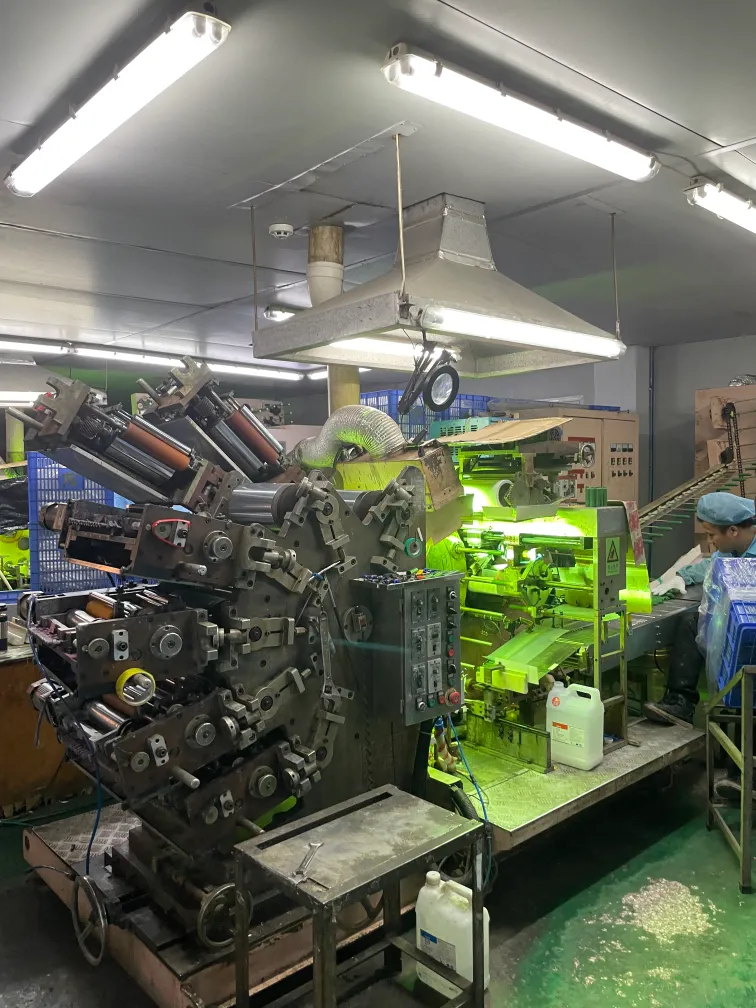
The cosmetic tube filling process is more than just a routine. It's a delicate dance of precision and efficiency that ensures your favorite products make it to the shelves.
Understanding the journey from bulk cream to a finished, sealed tube is essential for anyone involved in cosmetics manufacturing. The filling process is not just about pouring; it's about maintaining product integrity and ensuring quality.
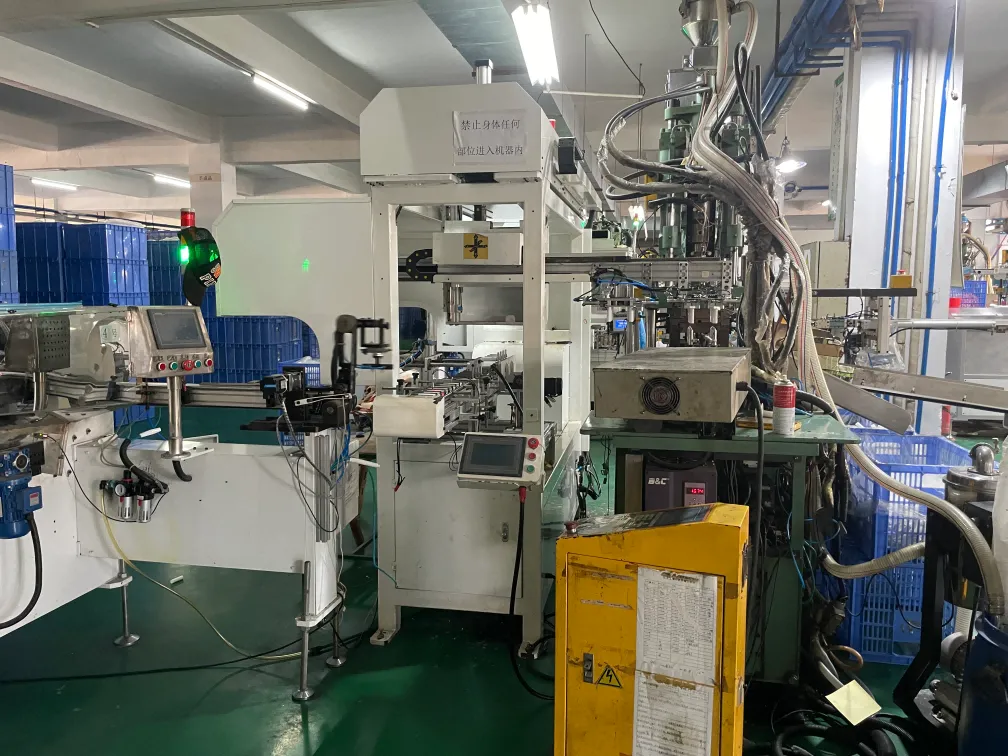
The transition from bulk cream to tube packaging is a critical operation for manufacturers. It requires flawless coordination of various factors that, if neglected, can lead to inefficiencies. The filling process is a continuous system where formula stability, tube design, and line capability are tested all at once. A weakness in one area can disrupt the entire operation.
In 2026, many brands are also pushing faster lead times, smaller MOQs, and more SKUs (different caps, sizes, finishes). That makes filling even more sensitive to small variations—especially with thick creams, gels, sunscreen, and high-viscosity formulas. For bulk orders, the real goal is not “a tube that can be filled once,” but a tube structure that can run stably batch after batch on the customer’s line.
What is the process of tube filling machine?
The first step in the tube filling process involves preparing the bulk cream. The cream must meet specific viscosity, temperature, and homogeneity requirements before entering the filling machine. This preparation is vital to ensure that the product fills accurately and efficiently.
The filling machine then draws the cream into tubes, leveraging a combination of pressure and speed to maintain efficiency. Proper machine setup is crucial, as any slight inconsistency in the cream can lead to filling inaccuracies.
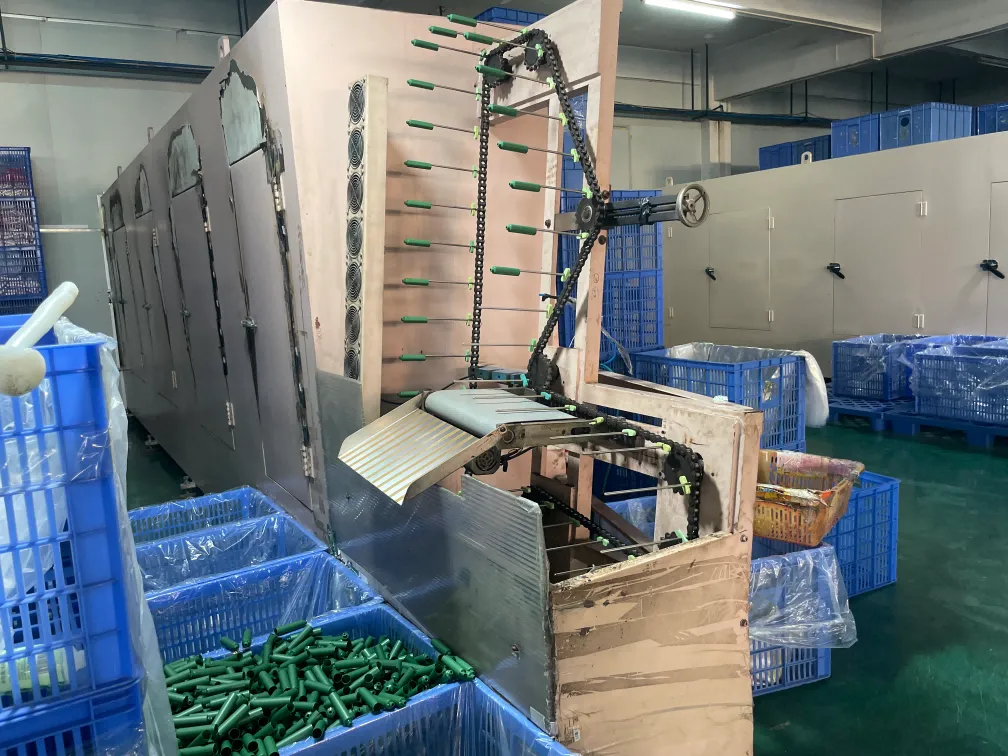
A typical tube filling machine workflow (high level) looks like this:
1) Tube feeding & orientation
Tubes are loaded and positioned. Orientation matters for printed tubes because front/back alignment affects shelf appearance.
2) Tube opening & air handling
Some lines use air blowing or ionizing to reduce dust. Cleanliness here directly impacts sealing strength.
3) Filling (volumetric / piston / servo control)
The machine dispenses a controlled volume. Thick formulas require stable pressure curves to avoid “stringing” or air pockets.
4) Neck wipe / anti-contamination control
A critical step many buyers underestimate. Any cream left at the sealing area increases leak risk.
5) Sealing (heat seal / ultrasonic) + coding
Seal quality depends on tube material, thickness, sealing parameters, and cleanliness.
6) Cooling + final inspection
Cooling ensures the seal holds under handling. Inspection catches deformation, wrong print direction, poor seals, or leakage.
Once filled, the next phase is sealing. This action transforms the filled tube into its final, market-ready form. The integrity of the seal is directly influenced by how clean the filling process is. Any excess cream in the sealing area can lead to weak seals, which may result in leaks or product loss during transport.
The inspection process follows sealing. Filled and sealed tubes must endure a series of checks to ensure they can withstand downstream handling and packaging. If tubes show any signs of deformation or leakage during these checks, they represent a production risk.
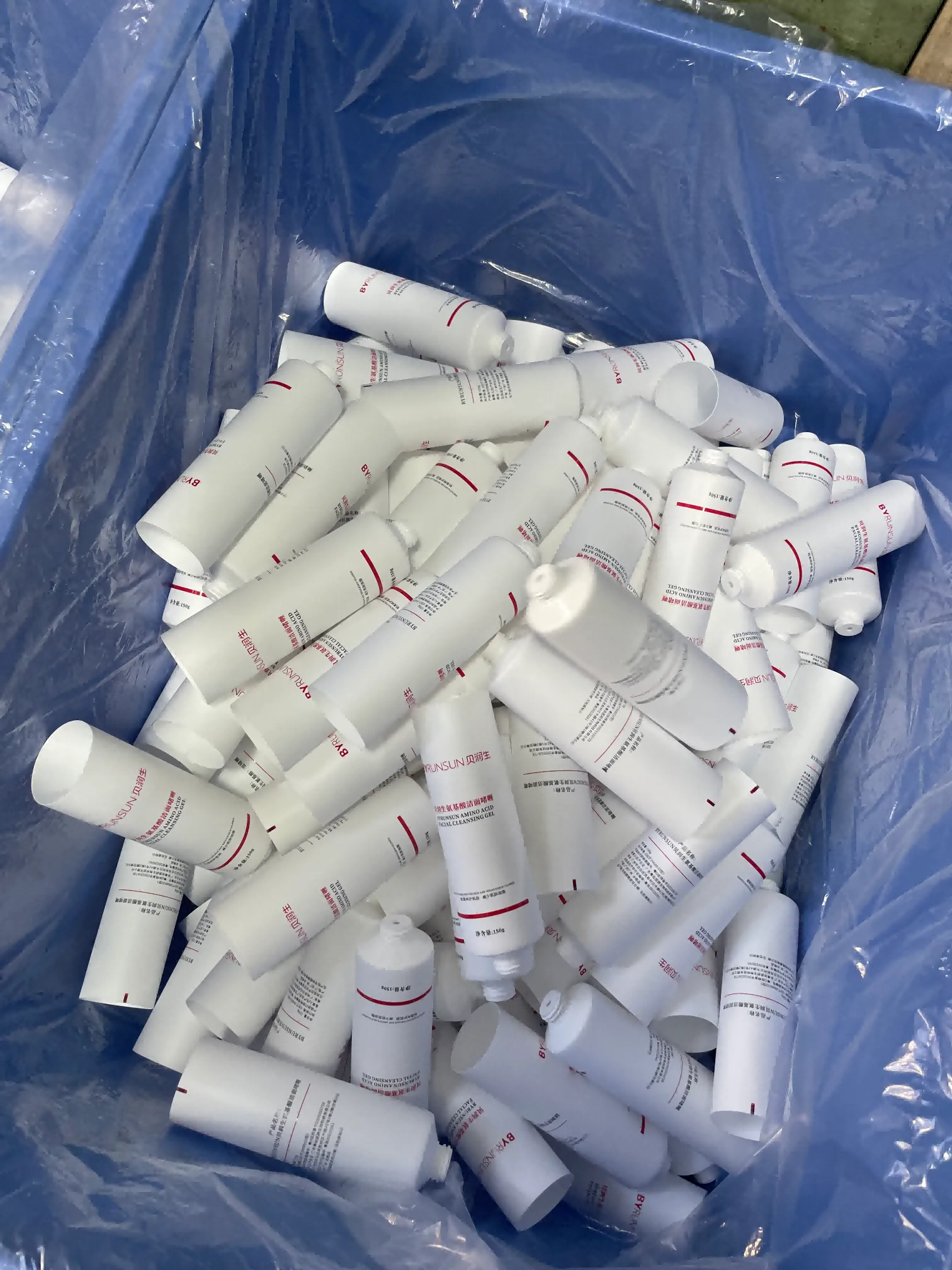
Key parameters that decide whether filling is stable
For brands and distributors buying tubes in bulk, these are the practical parameters that most directly impact filling stability:
- Viscosity window: filling accuracy depends on formula flow behavior (not only “thick vs thin,” but shear-thinning behavior).
- Filling temperature: temperature affects viscosity; a 3–5°C shift can change fill accuracy and create air bubbles.
- Tube wall stiffness: tubes that are too soft may deform under clamp pressure, causing misalignment and sealing issues.
- Shoulder & neck geometry: affects nozzle insertion depth and wipe performance; poor geometry increases contamination risk.
- Cap fit & torque: affects leakage after filling and during transport. Consistency matters more than “tightness.”
For bulk programs, it’s best to align these parameters early with your supplier. If you wait until mass production to “discover” a mismatch, you lose time and waste materials.
How to refill a tube of cream?
Refilling a tube of cream at home might seem straightforward, but it requires care. First, ensure the original tube is clean and free from contamination. Cut the tube carefully and pour in the new cream, making sure not to overfill.
Once filled, you can seal the tube by pinching the opening or using heat to ensure it stays closed. This method might not achieve the same level of precision as a manufacturing process, but it allows you to repurpose and reuse packaging effectively.
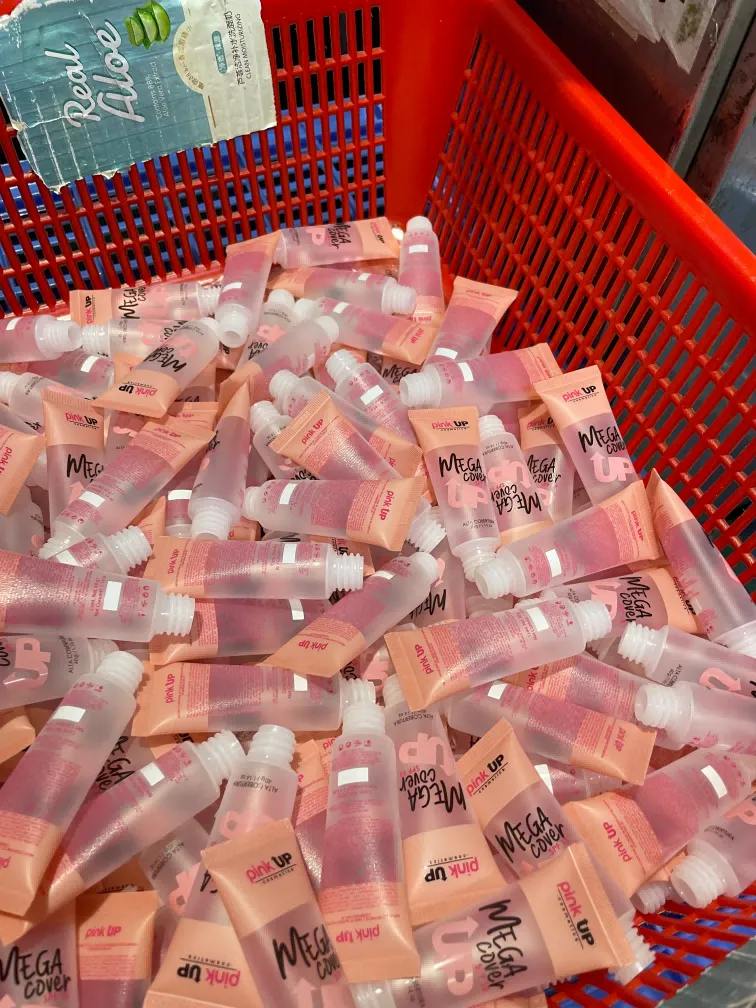
Practical tips (consumer side) to reduce mess:
- Use a small syringe or mini funnel to control flow.
- Leave headspace so the product doesn’t push into the seal zone.
- Wipe the inner lip clean before sealing—this is the same logic used in factories.
What is the filling process in manufacturing?
In manufacturing, the filling process is where things get technical. Bulk cream enters the production line only after it meets all necessary requirements. Such consistency is crucial, as any small change in viscosity can disrupt the accuracy of the filling machine, slow down the line speed, or lead to contamination issues.
During filling, the cream interacts with the tube body. Tubes must remain stable under the pressure of filling while allowing for efficient operations at target speeds. If the tube material is too soft, production costs can increase due to slower speeds or related issues.
In real factories, the “filling process” also includes the control loop around it:
- Start-up validation: first-off samples are checked for weight, seal strength, appearance, and cap fit.
- In-process QC: periodic checks (weight, seal, coding) prevent large-scale defects.
- Changeover management: switching from one SKU to another (different diameter/cap/print) is where many defects happen if procedures are weak.
If you are sourcing tubes for a customer that fills in-house, ask your tube supplier how they support filling trials. A supplier that can provide structure recommendations (tube stiffness, shoulder design, cap match) will reduce your “trial-and-error cost.”
What are the process steps of making plastic tubes?
The production of plastic tubes begins with selecting the right materials. Common materials include polyethylene and polypropylene, known for their flexibility and durability. The manufacturing process involves several steps:
- Material extrusion: Raw plastic is heated and forced through a mold to create tube bodies.
- Cooling: The extruded tubes are cooled to maintain their shape.
- Trimming: Tubes are trimmed to the desired length.
- Printing: Branding and product information are printed on the tubes.
- Quality checks: Finally, tubes undergo inspections to ensure they meet quality standards.
This entire process requires a high level of precision to ensure that the tubes can withstand filling and sealing effectively.
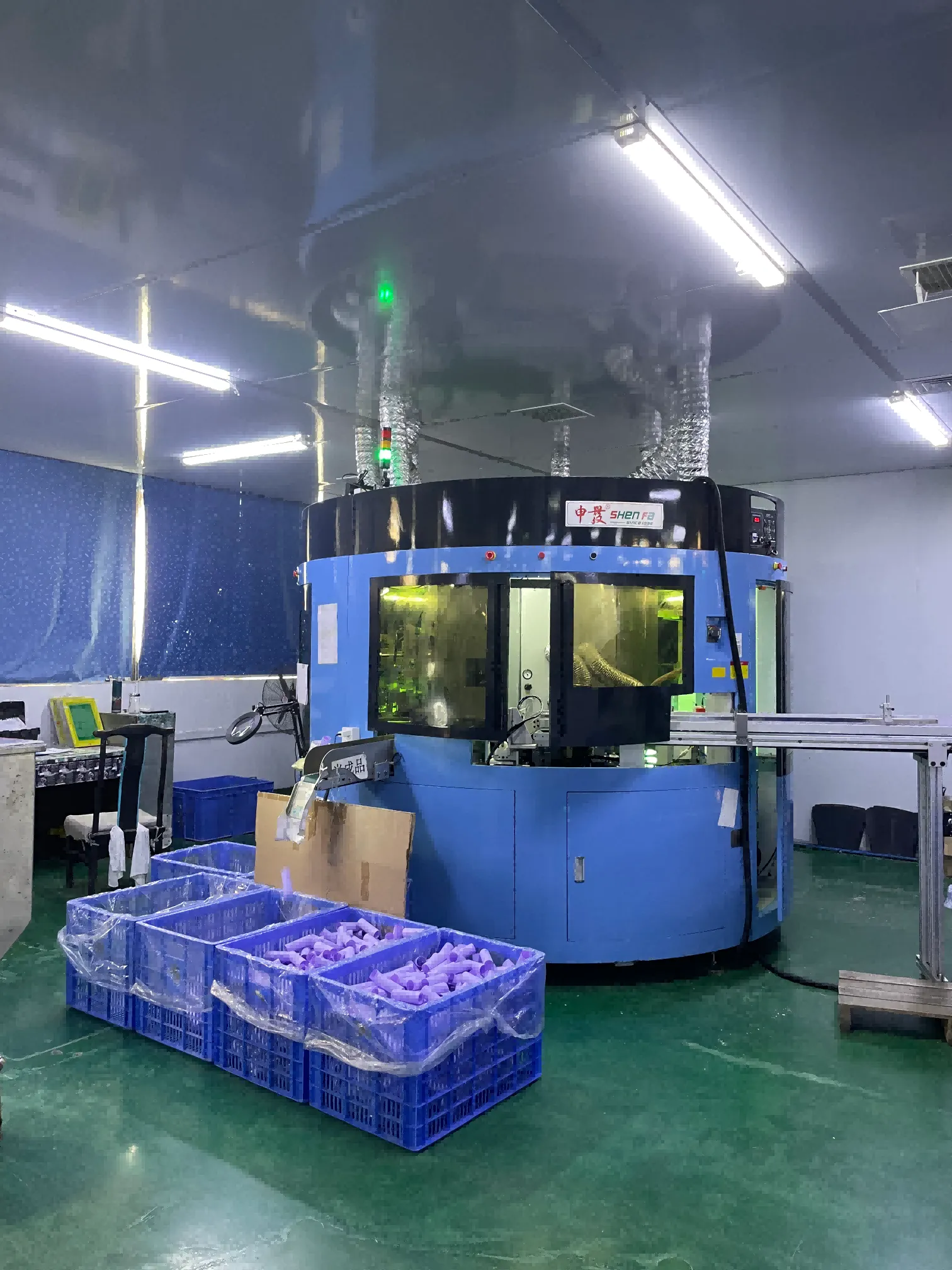
A note for bulk buyers: printing stability is not just about “looking good.” Misalignment or low adhesion can cause:
- rubbing during carton transport
- inconsistent shelf appearance between batches
- higher rejection rates during packaging
That’s why bulk programs often standardize decoration methods first, then scale SKU quantity.
Which manufacturing processes are used for tubes?
Several manufacturing processes are used for creating cosmetic tubes, each offering specific advantages. Some of the most common methods include:
- Extrusion: Creates tube bodies with stable wall thickness control.
- Injection molding: Often used for shoulders, caps, and special components.
- Blow molding: Used for certain hollow structures depending on design needs.
- Thermoforming: Used in specific packaging formats and components.
- Rotational molding: Less common for standard cosmetic tubes, used for larger hollow items.
Each process has unique benefits, influencing tube design and functionality. Understanding these processes helps manufacturers choose the best method for their specific needs.
What are the five methods of processing plastic?
Plastic processing involves various techniques that can impact the performance and characteristics of the final product. The five primary methods are:
- Extrusion
- Injection Molding
- Blow Molding
- Thermoforming
- Rotational Molding
Each of these methods has its advantages, influencing factors like production speed, design complexity, and material waste. Choosing the right method can significantly affect overall production efficiency and product quality.
Common filling defects and how to prevent them
Bulk buyers often ask “what can go wrong?” Here are the most common issues and what they usually indicate:
- Leak at seal → sealing zone contamination, wrong sealing parameters, or tube material/thickness mismatch
- Air bubbles / voids → viscosity instability, nozzle insertion depth issues, or filling speed too high
- Inconsistent fill weight → temperature variation, unstable pressure control, or formula homogeneity issues
- Tube deformation → tube stiffness too low, clamp pressure too high, or packing density too aggressive
- Printing misalignment after filling → orientation control weak, or tube body deformation during clamping
If you are ordering tubes for a customer with high-speed filling, it’s smart to request a small “trial lot” with the same material and printing method before committing to the full bulk order.
Conclusion
In summary, the cosmetic tube filling process is a complex yet fascinating journey that transforms bulk cream into finished products. Understanding each step helps ensure quality and efficiency.
For bulk sourcing, the biggest takeaway is this: filling success depends on the system—formula behavior, tube structure, decoration, and QC discipline. When these are aligned early, production becomes stable, repeatable, and scalable.




 English
  French
  Vietnamese
  Spanish
  German (Austria)
  German
  South Azerbaijani
  Japanese
  Italian
  Persian
  Russian
  Finnish