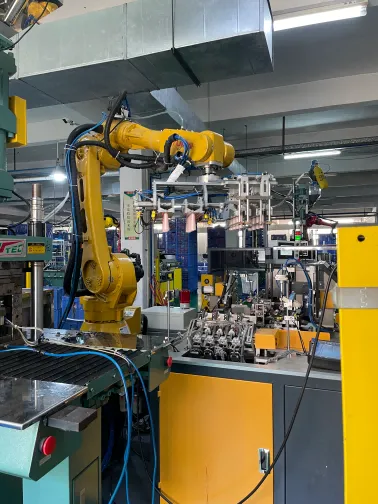
Filling cosmetic tubes in a factory is not as simple as it sounds. It requires careful coordination to ensure quality and efficiency.
The process begins with tube forming, printing, and head assembly before filling. The filling method used is based on the product's viscosity, accuracy needed, and production volume.
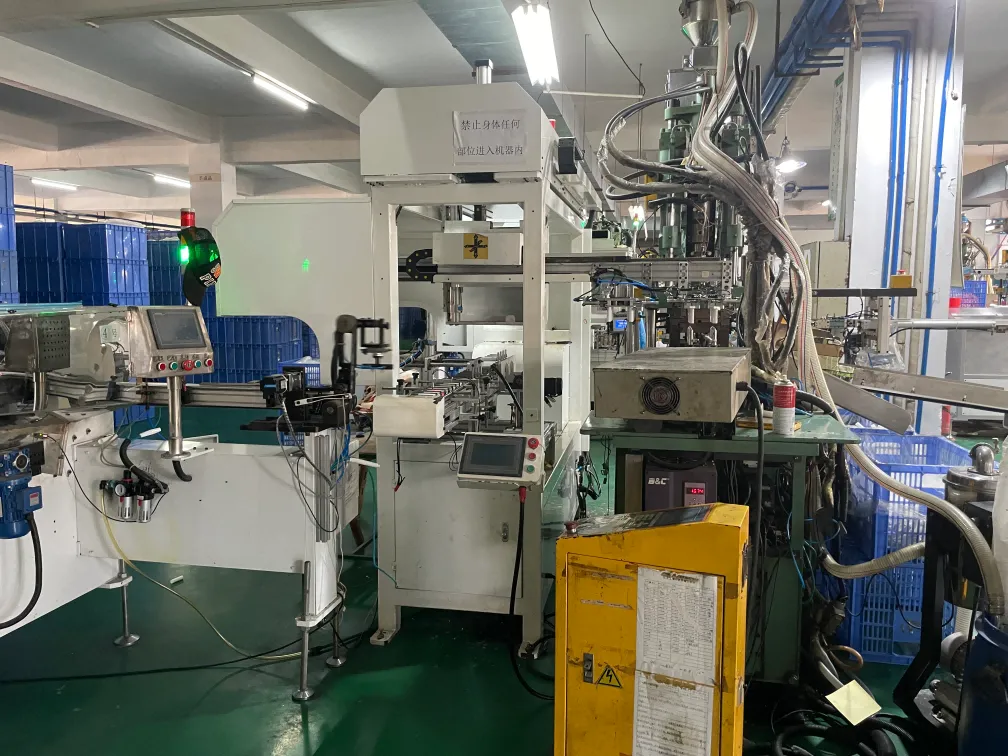
Filling cosmetic tubes is more than just putting product inside. It is a critical step that affects the overall production process. The tube structure, material, and formula characteristics must be considered even before the filling starts. When the tubes are filled, it’s important to keep in mind the consistency needed for the product. High-viscosity products like creams need special filling systems. If the tube body isn’t strong enough, it can lead to slower filling speeds and increased costs.
In 2026, brands also face more SKUs, shorter lead times, and more sustainability requirements (PCR / bio-based). This increases changeovers and makes filling stability even more important. A “good sample” is not enough—buyers should aim for repeat-order stability and line-run stability.
What happens before filling (the part most buyers overlook)?
Before any formula touches the tube, there are several upstream steps that directly determine whether filling will run smoothly:
- Tube feeding & orientation: printed tubes must be aligned so front/back faces match brand presentation.
- Tube stiffness check: overly soft tubes deform under clamping; overly stiff tubes may crack or create sealing stress.
- Neck/shoulder tolerance check: nozzle insertion depth and wipe performance depend on consistent geometry.
- Cap fit / torque check: cap mismatch often shows up after transport or storage, not immediately after filling.
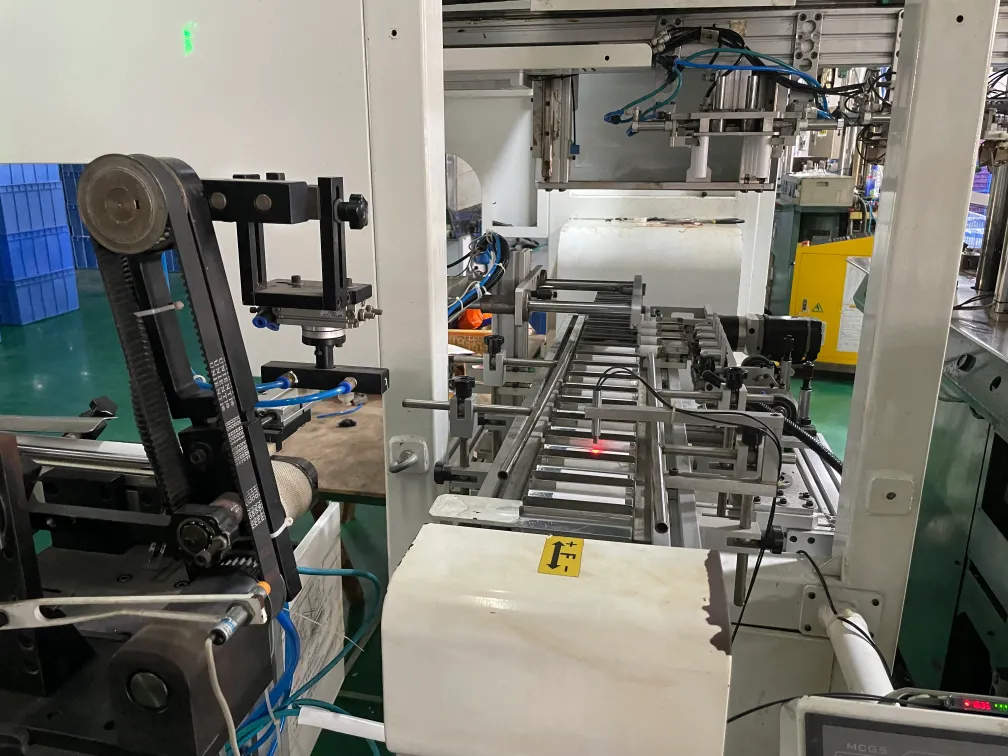
If these basics are unstable, the filling line compensates by slowing down—this is why many “cheap tube programs” become expensive during production.
What is the process of plastic tube production?
The process of producing plastic tubes involves several important steps.
It typically starts with material selection, where manufacturers choose the right type of plastic that suits the product. The next step is extrusion, where the plastic is melted and shaped into tubes. This is followed by printing, where designs and branding are added to the tube surface. Finally, the tubes are assembled, which includes adding the head and preparing for filling.
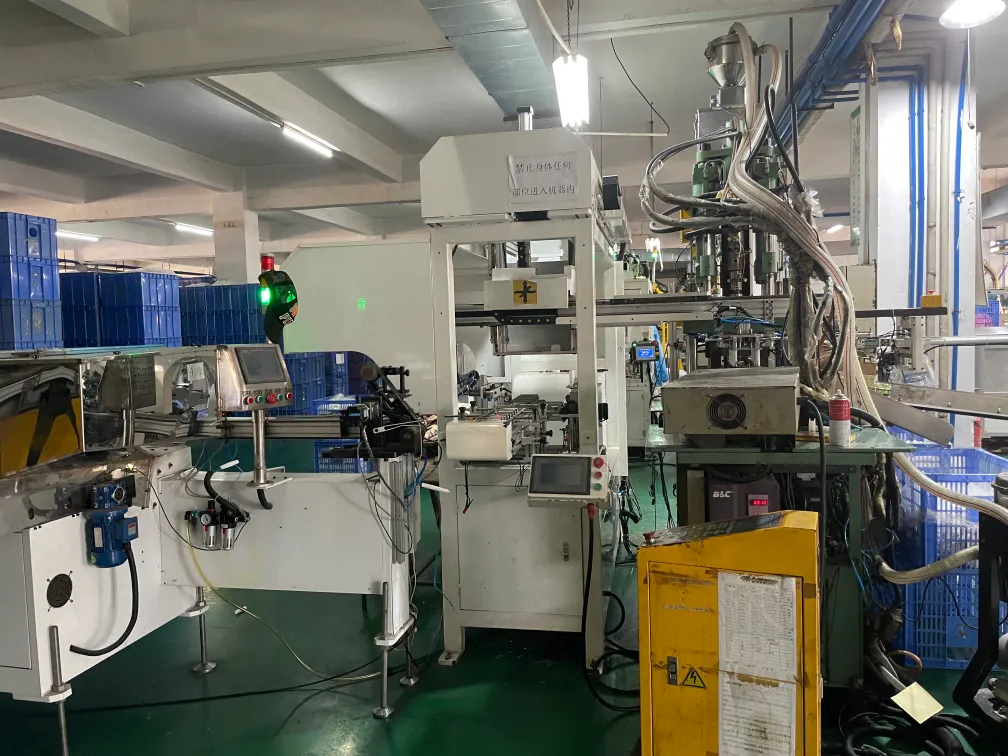
Each of these steps is crucial for producing high-quality tubes. The quality of the material will affect the tube's performance. After extrusion, printing adds the brand’s identity, ensuring that the consumer recognizes the product. This stage is also vital, as a well-printed tube enhances the product's visual appeal.
To make tube production “filling-ready”, factories usually control:
- wall thickness consistency (affects clamping and sealing)
- cut length precision (affects fill volume range and appearance)
- surface treatment & ink adhesion (affects printing durability)
- head/shoulder assembly stability (affects nozzle fit and sealing cleanliness)
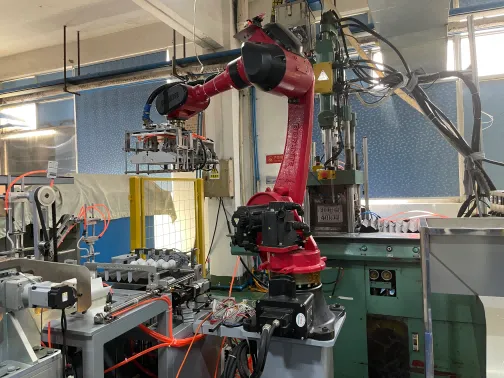
How to refill lotion tubes?
Refilling lotion tubes can be done in a few simple steps.
Start by cleaning the tube thoroughly to remove any product residue. Next, fill the tube with the new lotion using a funnel for precision. Make sure not to overfill, as this can cause leakage. Finally, seal the tube properly to ensure no product escapes.
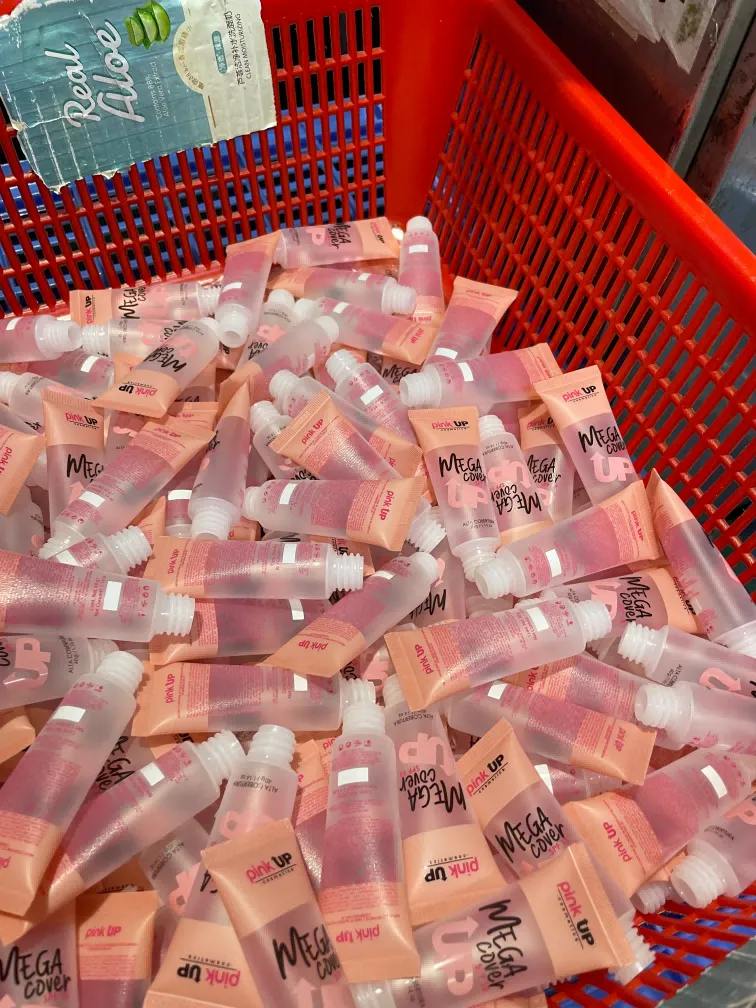
When refilling, attention to detail is necessary. Any leftover residue can lead to contamination. An airtight seal is essential for maintaining product integrity. The key is to ensure cleanliness and proper techniques during the refilling process.
Extra practical tips:
- Leave a small headspace (don’t fill to the very top).
- Wipe the inner lip clean before sealing—this is the same logic used on production lines.
- If you heat-seal at home, use low heat and short contact time to avoid burning the tube.
How does a tube filling machine work?
Tube filling machines play a crucial role in the manufacturing process.
They work by moving the tube into position, where a filling nozzle dispenses the product into the tube. The machine is designed to handle various product viscosities and can adjust the volume accurately. After filling, the machine will automatically seal the tube.
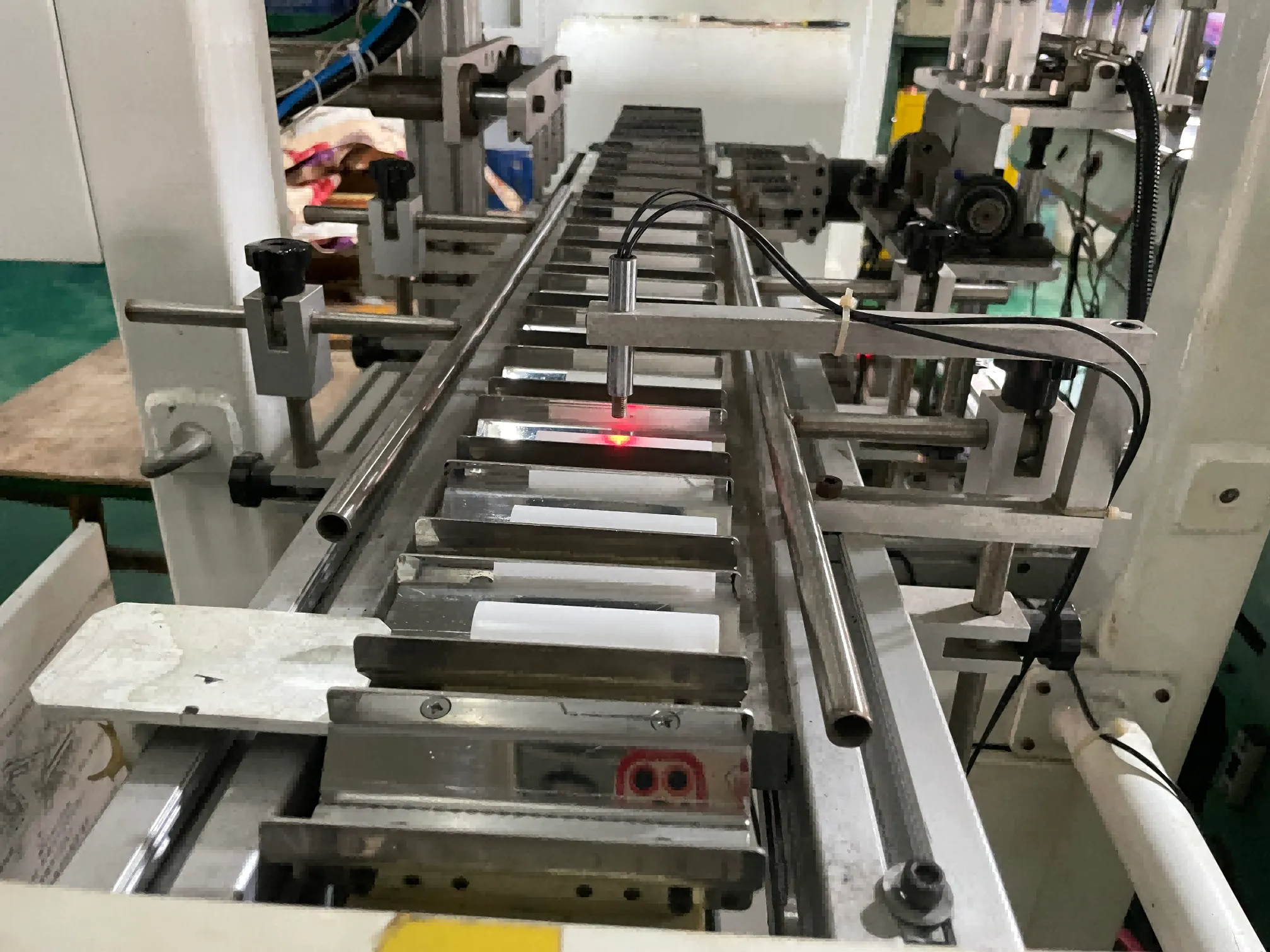
These machines are essential for larger production volumes. They save time and reduce the risk of human error. The efficiency of these machines greatly influences the overall production speed and cost.
How factories choose filling method (based on viscosity & accuracy)
Different products prefer different filling systems:
- Low viscosity (serums / thin gels)
Often stable with volumetric systems; risk points are splashing and air bubbles. - Medium viscosity (lotions / cleansers)
Stable with piston/servo dosing; focus on anti-foam handling and consistent temperature. - High viscosity (creams / sunscreen / ointments)
Usually needs stronger dosing control, stable nozzle design, and slower controlled speed to avoid “stringing” and trapped air.
When viscosity is high and the tube is soft, production may require slower speed—this is a common hidden cost in bulk programs.
How are tubes printed?
Printing on tubes is done using advanced techniques.
Most commonly, screen printing is used, where ink is pushed through a mesh onto the tube surface. This method ensures high-quality designs and colors that are durable. Other methods include digital printing, which allows for intricate designs but may have different durability.
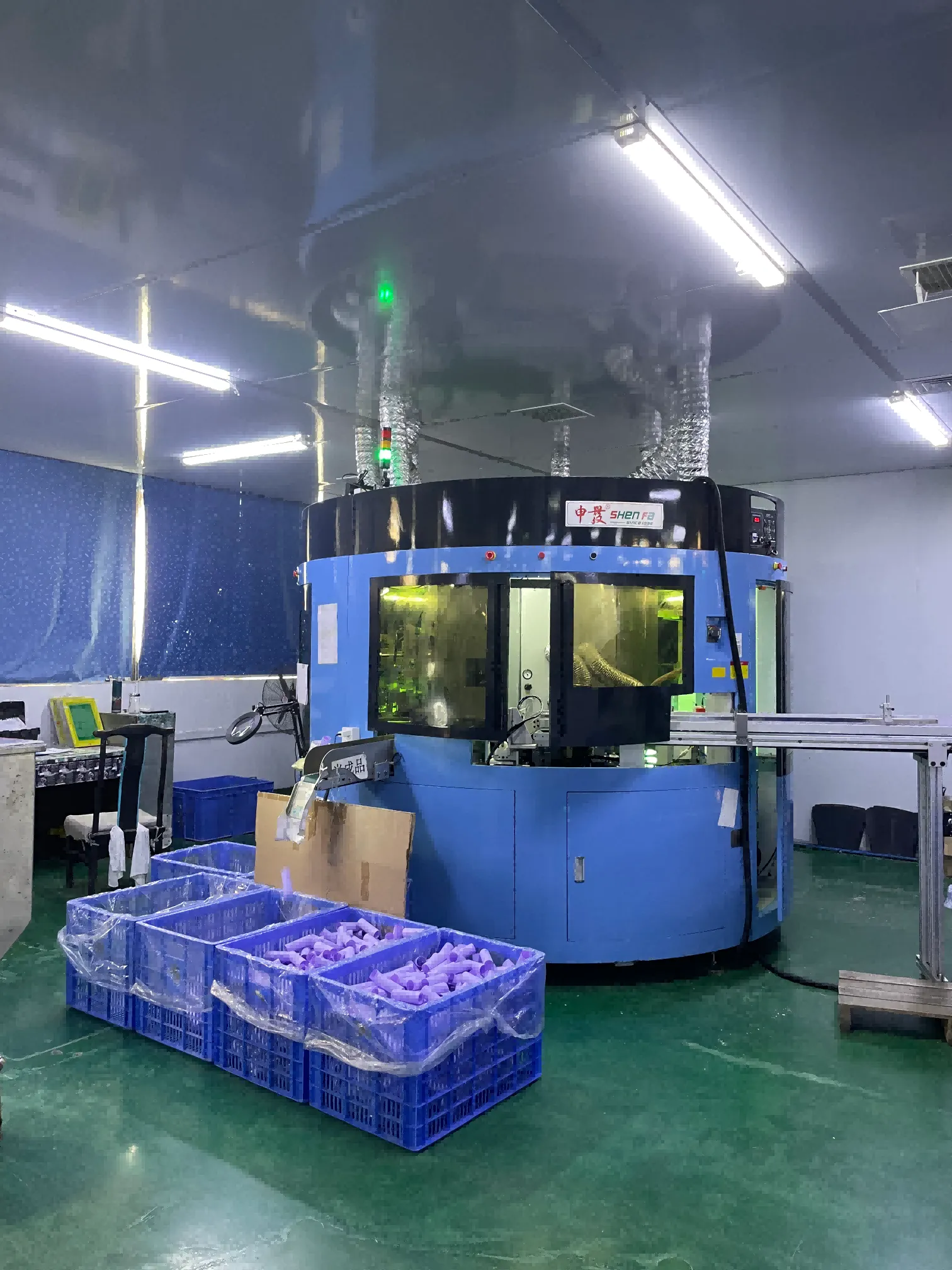
The choice of printing method affects not only the appearance but also the longevity of the print. Quality printing ensures that branding remains intact throughout the product's lifecycle.
A buyer-focused way to evaluate printing stability:
- registration consistency (front/back alignment)
- rub resistance (carton transport + handling)
- color repeatability (especially across repeat orders)
- compatibility with finishes (matte coating, soft-touch, hot stamping)
How are tubes manufactured?
The manufacturing of tubes is a detailed process.
It begins with selecting the right materials, followed by extrusion to form the tube shape. Once formed, the tubes are cooled and cut to the desired length. The next steps involve printing, adding heads, and quality checks before they are ready for filling.
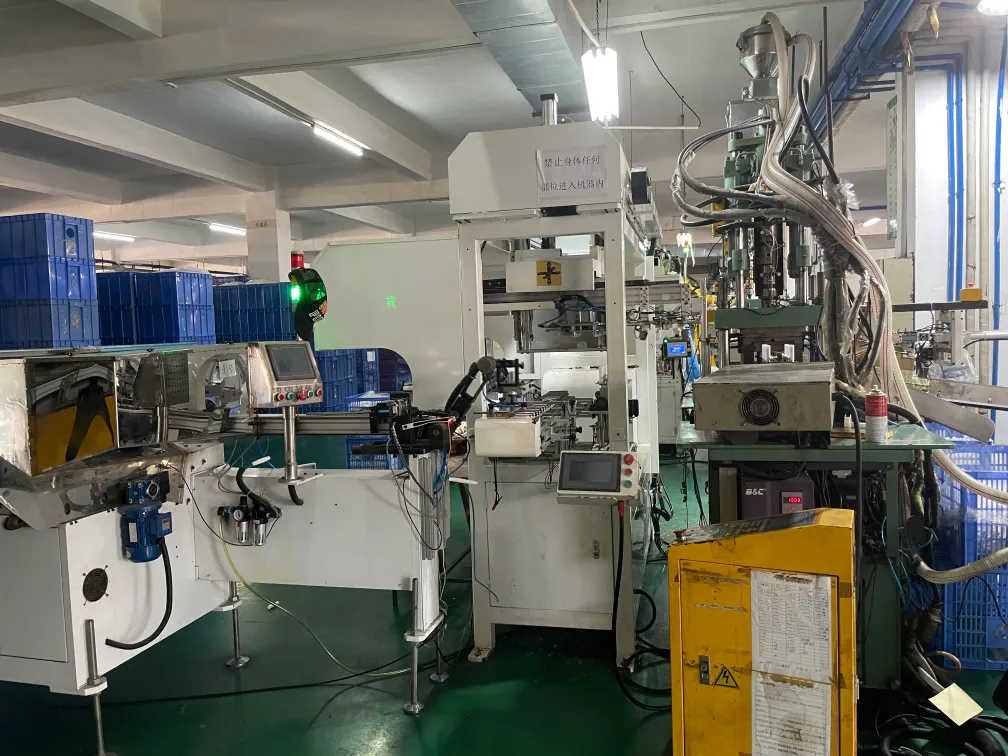
Each stage is essential to ensure the final product meets quality standards. Strict quality control ensures that only top-notch tubes proceed to filling.
A typical “factory-ready for bulk programs” flow:
1) Forming (extrusion)
2) Cutting & sizing
3) Surface treatment (if needed)
4) Printing & curing
5) Head/shoulder assembly
6) In-line inspection
7) Packing preparation
8) Shipment to filling site / or in-house filling
What are the 7 steps in processing screen printing?
Screen printing involves seven key steps.
- Design Preparation: Creating the design to be printed.
- Screen Creation: Making the screen with the design.
- Ink Preparation: Choosing the right ink for the product.
- Printing Setup: Aligning the tube with the screen.
- Printing Process: Pushing the ink through the screen onto the tube.
- Curing: Setting the ink so it adheres properly.
- Quality Check: Ensuring the print is flawless.
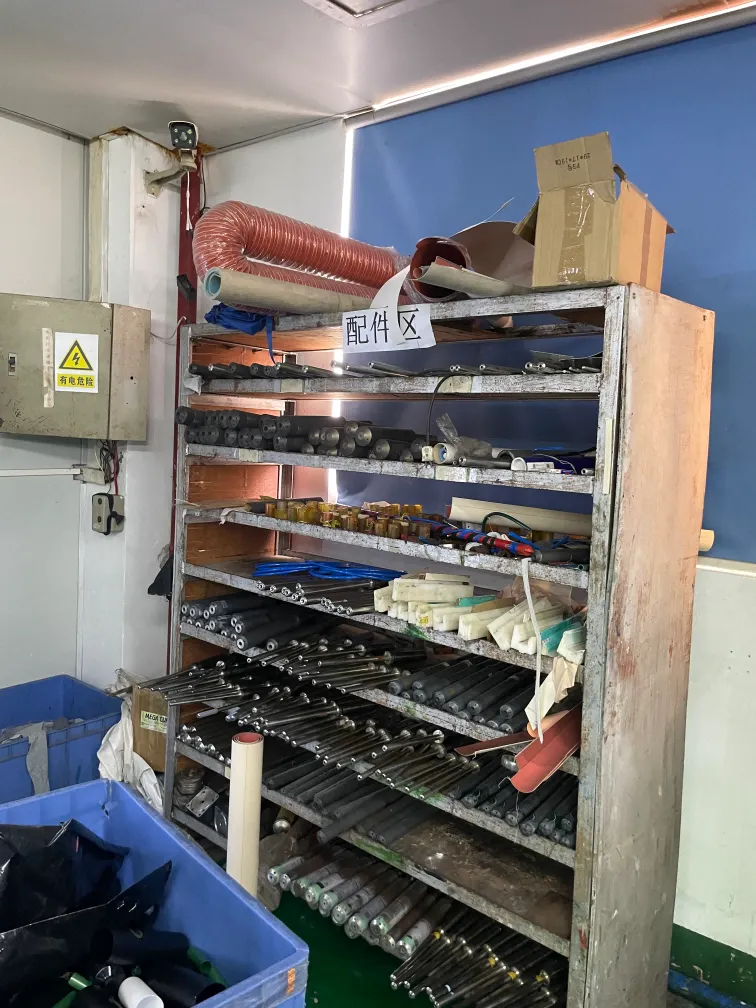
Following these steps ensures that the printed tubes are up to par. Quality checks at each stage help catch errors early, saving time and resources.
What happens right after filling (sealing + inspection)?
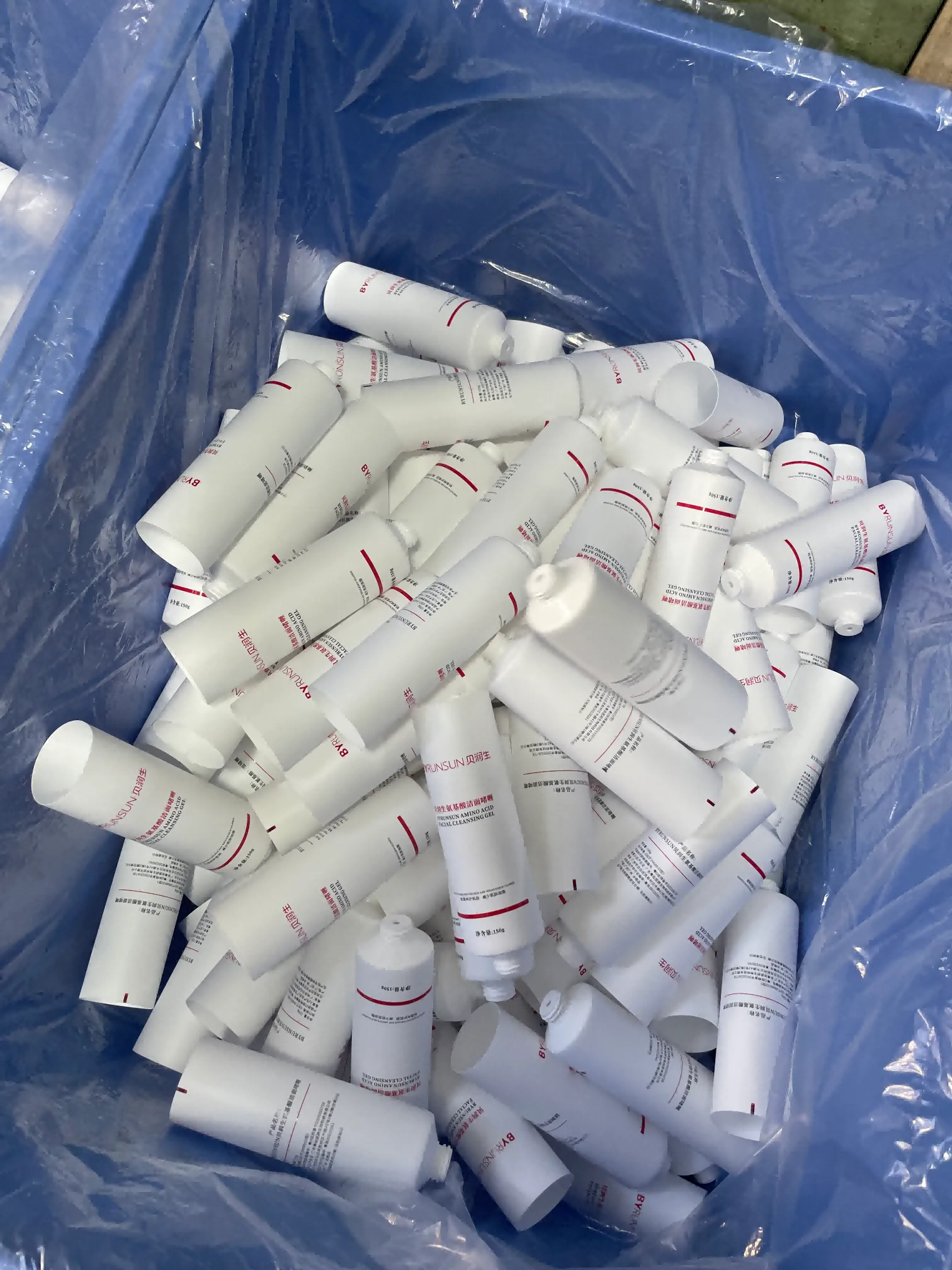
The moment after filling is where most costly failures show up: weak seals, contamination in the seal zone, deformation, or leakage during handling.
Key actions after filling:
- seal (heat / ultrasonic)
- cooling time control
- leak check / squeeze check
- appearance inspection (seal line, printing direction, coding)
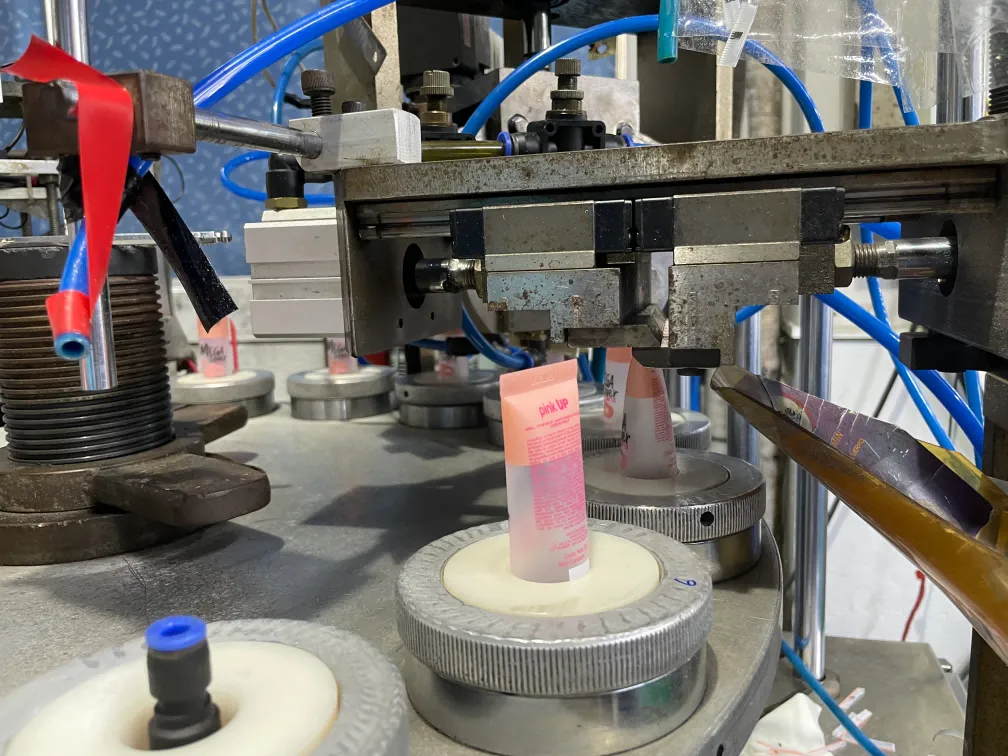
Common filling defects (and what they usually mean)
- Leak at seal → sealing zone contamination / wrong sealing parameters / thickness mismatch
- Air bubbles / voids → viscosity instability / nozzle depth wrong / fill speed too high
- Inconsistent fill weight → temperature shift / dosing instability / poor mixing
- Tube deformation → tube too soft / clamp pressure too high / packing density too high
- Print misalignment → orientation system weak / tube body deformation during clamping
For bulk buyers, the safest approach is a trial run: test the tube + cap + formula on the real filling line, then lock the spec before mass production.
Conclusion
In summary, filling cosmetic tubes is an intricate process that requires careful engineering and attention to detail.
The most important takeaway is this: tube filling success depends on the system—tube material & structure, printing quality, head/neck geometry, filling method matched to viscosity, sealing discipline, and inspection standards. When these are aligned early, production becomes faster, defects drop, and repeat orders stay stable.




 English
  French
  Vietnamese
  Spanish
  German (Austria)
  German
  South Azerbaijani
  Japanese
  Italian
  Persian
  Russian
  Finnish